Anders Antonsen questions India Open's February Delhi slot over pollution

Synopsis
Anders Antonsen isn't just complaining about Delhi's air — he's putting the BWF on notice. The world-class Dane, who skipped the India Open earlier this year over pollution, says moving the tournament to February in Delhi is the wrong call, and hints a $5,000 fine may again be the price of his absence. It's a direct challenge to the BWF's scheduling logic.
Key Takeaways
Anders Antonsen praised conditions in New Delhi during the BWF World Championships on 16 August , saying air quality was acceptable.
He opposed the India Open being held in January or February in Delhi, calling winter pollution 'pretty, pretty insane.' Antonsen withdrew from the India Open earlier in 2025 over air-quality concerns.
Under the new BWF calendar , the India Open is set to move to February — a decision Antonsen said he 'wasn't happy to see.' BWF fines of $5,000 apply to players who skip Super 750 or higher-ranked events, a policy Antonsen flagged as a recurring dilemma.
He suggested an August-September window would be far more suitable for the tournament.
Danish badminton star Anders Antonsen has expressed satisfaction with conditions in New Delhi ahead of the BWF World Championships, but raised pointed concerns about the decision to schedule the India Open in January or February in the capital, citing the city's severe winter pollution as a serious hazard for visiting players. Antonsen, who withdrew from the India Open earlier this year over air-quality issues, said the situation during the World Championships has been markedly better.
Antonsen's Take on Current Delhi Conditions
Speaking to media in the mixed zone ahead of the World Championships on 16 August, Antonsen acknowledged a significant improvement in Delhi's air quality compared to his previous visit. 'Last time was in 2023. As I understand it, there is a big, big difference from season to season when it comes to the pollution,' he said. 'This is just fine. I've experienced way worse air pollution than it is right now. So this I'm okay with.'
The Dane also praised the tournament infrastructure. 'The hall is pretty and the practice facilities are good as well. So yeah, all in all, I'm happy so far,' he added. Antonsen noted it had been roughly three and a half years since his last visit to the city.
Why He Opposes the Winter Scheduling
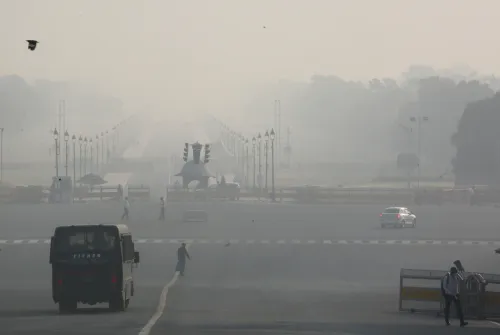
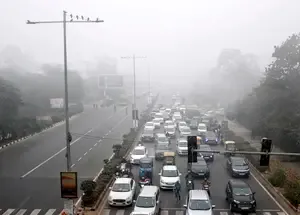
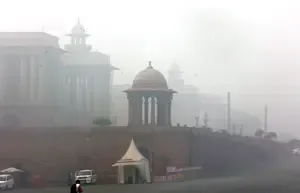
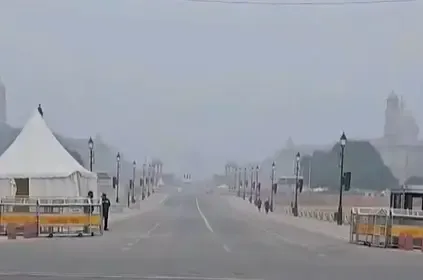
Despite his comfort with current conditions, Antonsen was unambiguous in his opposition to hosting the India Open during Delhi's winter months. With the tournament set to shift to February under the new BWF calendar, he said the news was unwelcome. 'I wasn't happy to see it, to be honest,' he said. 'The pollution during that season is pretty, pretty insane. So I don't think it's the right move for the BWF to host the tournament in January or February in Delhi.'
He also flagged the financial stakes tied to the attendance policy. 'The BWF gives out these fines if you don't show up to super 750 or above. And every year it's like, when I see the calendar, I'm like, okay, they are just instantly giving me a $5,000 fine,' Antonsen said, adding he had not yet made a final decision on whether to participate next year.
A Recurring Flashpoint for the BWF
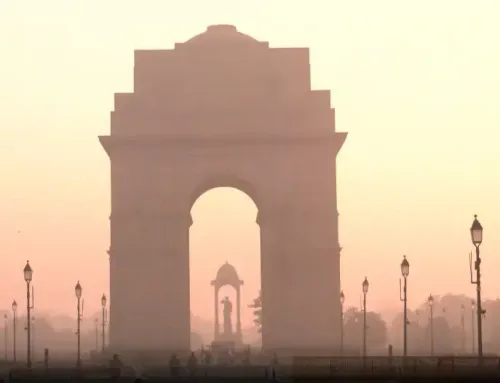
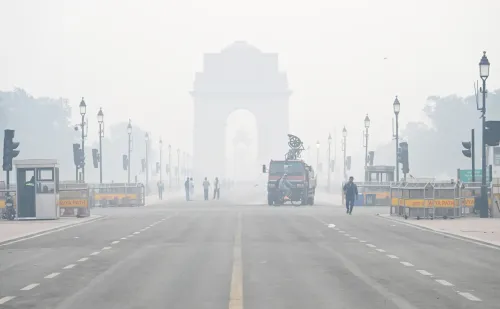
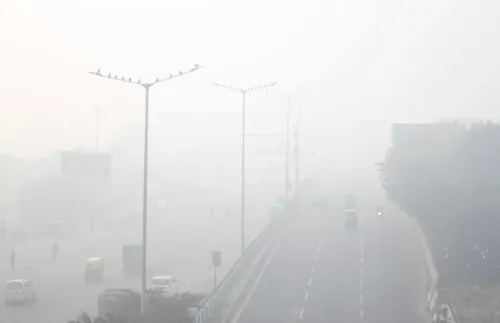
Antonsen's remarks reignite a debate that has followed the India Open for several seasons. Delhi's air quality index routinely breaches hazardous thresholds between October and February, drawing repeated criticism from international athletes. His withdrawal earlier in 2025 was among the most high-profile instances of a top-ranked player citing pollution as a reason for skipping a BWF-sanctioned event.
Notably, Antonsen suggested that an August-September window — when the World Championships are being held — would be a far more suitable slot for the India Open as well. 'If hosted this time around (August-September), it seems much, much better from my perspective,' he said.
What Happens Next
The BWF has not publicly responded to Antonsen's comments. With the new calendar placing the India Open in February, pressure may mount on the governing body to revisit the scheduling decision — particularly if other top players voice similar reservations. The outcome could have implications for the tournament's field strength and its standing on the global badminton circuit.
Point of View
000 fine mechanism, designed to protect tournament fields, is being weaponised against players with legitimate health concerns, and that contradiction is hard to defend. Delhi's winter pollution is not a fringe grievance; it is a documented public health crisis. If the BWF cannot align its Super 750 calendar with basic air-quality windows, it risks a credibility problem — not just a PR one. The real question is whether other top-10 players will follow Antonsen's lead and make the same calculation, which could hollow out the India Open's competitive field precisely when Indian badminton needs its marquee event to be at its strongest.
NationPress
1 Oct 2026
Frequently Asked Questions
Why did Anders Antonsen skip the India Open in 2025?
Antonsen withdrew from the 2025 India Open over air-quality concerns in New Delhi, where winter pollution levels regularly reach hazardous levels. He cited the same concern when questioned about the tournament's new February slot under the BWF calendar.
What did Antonsen say about Delhi's conditions during the BWF World Championships?
Antonsen said conditions in Delhi in August were considerably better than during winter months, and that he was satisfied with both the playing hall and practice facilities. He noted it had been about three and a half years since his last visit to the city.
Why does the India Open's February schedule concern players?
Delhi experiences its worst air pollution between October and February, with the air quality index frequently crossing hazardous thresholds. Players like Antonsen argue that staging a major badminton event during this period poses a genuine health risk for athletes.
What is the BWF fine for skipping a Super 750 event?
The BWF imposes a fine of $5,000 on players who do not participate in Super 750 or higher-ranked events without an approved exemption. Antonsen indicated this policy puts players with pollution-related concerns in a difficult position.
What scheduling alternative did Antonsen suggest for the India Open?
Antonsen suggested that an August-September window — when the BWF World Championships are being held in Delhi — would be a far more suitable and healthier slot for the India Open, based on the noticeably better air quality during that period.