Why is Bangladesh Missing the World Cup? A Report on Governance and Vision Failures in Domestic Cricket
Synopsis
Bangladesh cricket is at a crossroads after being excluded from the Men’s T20 World Cup. This report emphasizes the urgent need for governance and visionary leadership to revive domestic cricket and restore national pride in the sport.
Key Takeaways
Bangladesh cricket faces a critical governance crisis.
The ICC's exclusion signifies deeper issues within the board.
Domestic cricket is largely stagnant, affecting player morale.
Controversies, including match-fixing, tarnish the sport's reputation.
Urgent reforms are needed to restore national pride in cricket.
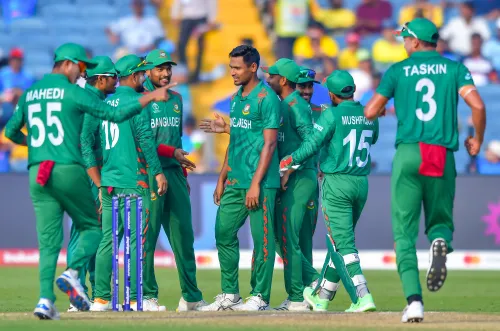
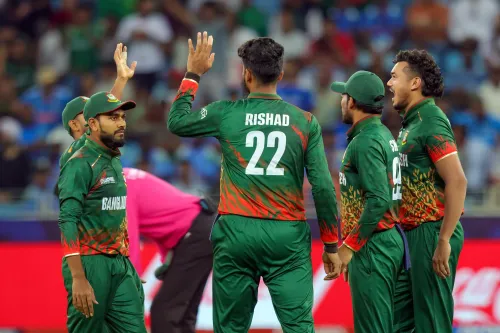
New Delhi, Jan 26 (NationPress) Bangladesh cricket is currently facing one of its most challenging periods, following the International Cricket Council’s (ICC) announcement that the team will not participate in the upcoming Men’s T20 World Cup in Sri Lanka and India, as reported by Bangladeshi media.
This isn’t just the disappointment of missing a global tournament – Bangladesh cricket is experiencing what could be its most vulnerable moment in history. Resilience is only valuable when driven by a clear purpose and vision, which seems to be absent at present, noted a report in The Daily Star on Monday.
The World Cricketers’ Association, representing professional cricketers globally, labeled this decision as a regrettable moment for the sport, reflecting the widespread sorrow among fans in a nation where cricket is both a passion and a sport.
The article attributes the dismal state of affairs to the country’s cricket governing body and officials.
“Missing out on the World Cup is merely a part of the damage. Domestic cricket is largely stagnant. Although the Bangladesh Premier League (BPL) concluded, it was marred by controversies. At the tournament's conclusion, a match-fixing scandal emerged, adding another troubling chapter to an already concerning narrative,” it stated.
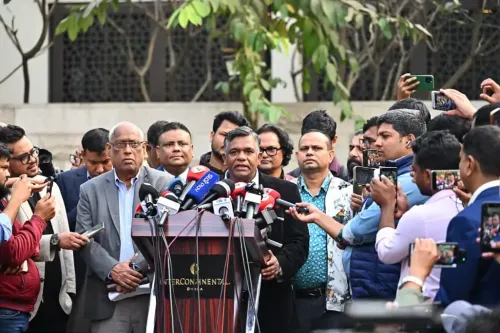
The Bangladesh Cricket Board (BCB), under the leadership of former captain Aminul Islam Bulbul, is reportedly facing increased internal conflicts, the analysis added.
“After allegations of match-fixing in the BPL, BCB Director Muhammad Mukhlesur Rahman had to resign from his role as Audit Committee Chairman. Additionally, another franchise adviser publicly accused others of fixing via a Facebook Live session, further diminishing public confidence,” it mentioned.
The repercussions have led to resignations, including that of influential director Ishtiaque Sadeque, and highlighted intense disputes among board members, the analysis revealed.
The situation has worsened with the reappointment of controversial figures like M. Najmul Islam, who had been ousted for disparaging remarks about players, the newspaper reported. Meanwhile, the captain of Bangladesh’s Test team, Najmul Hossain Shanto, expressed his frustration regarding the unpredictability of domestic schedules, emphasizing the growing disconnect between the board and players.
The article characterized the BCB's decision to bring back “the nation’s most accomplished cricketer, Shakib Al Hasan, who is currently in exile” as a “sensational concept”, viewed by many as an attempt to obscure failure.
“For many, this decision seems illogical and appears to be a desperate and misguided attempt to shift attention away from the ongoing crisis surrounding the World Cup exclusion,” it asserted.
Now, the ICC has confirmed that Scotland will replace Bangladesh in the tournament, with the BCB admitting it would not seek arbitration.
The article concluded that Bangladesh’s World Cup exclusion represents more than just a missed opportunity; it symbolizes a deeper failure in governance and vision. With domestic cricket in limbo and international participation stalled, the sport stands at its most precarious juncture. Unless the BCB devises a clear strategy, Bangladesh risks losing not just matches but its beloved cricketing identity.
“Bangladesh cricket is literally struggling to stay afloat in a sea of despair, not just due to exclusion but because a fight without purpose, clarity, and vision rarely leads to recovery,” it added.
Point of View
We must rally behind our cricket community. This crisis reflects deeper issues within the governance of the sport, which need urgent attention. While the ICC's decision is a setback, it can also serve as a wake-up call for the Bangladesh Cricket Board to restructure and refocus on what truly matters: the love for the game and the development of our players.
NationPress
23 Sept 2026
Frequently Asked Questions
What led to Bangladesh's exclusion from the T20 World Cup?
The International Cricket Council (ICC) decided to exclude Bangladesh due to ongoing governance issues and concerns regarding the state of domestic cricket.
What impact does this exclusion have on Bangladesh cricket?
This exclusion not only affects international participation but also highlights significant governance failures within the Bangladesh Cricket Board, risking the country's cricketing identity.
What controversies surrounded the Bangladesh Premier League?
The BPL faced controversies, including a match-fixing scandal that emerged at the end of the tournament, further complicating the domestic cricket landscape.
Who are the key figures in the Bangladesh Cricket Board?
The BCB is led by former captain Aminul Islam Bulbul, facing intense scrutiny due to allegations against its officials, including match-fixing claims.
What does the future hold for Bangladesh cricket?
Unless the BCB implements a clear roadmap for improvement and governance, Bangladesh cricket risks prolonged challenges and a decline in its cricketing reputation.