Why Were Bangladeshi Journalists Denied Accreditation for T20 WC?
Synopsis
In a shocking turn of events, the ICC has denied accreditation to Bangladeshi journalists for the upcoming T20 World Cup in India and Sri Lanka. This decision follows Bangladesh's withdrawal from the tournament's original schedule, sparking outrage among the media community. What does this mean for sports journalism in Bangladesh?
Key Takeaways
ICC denies accreditation to Bangladeshi journalists.
Bangladesh withdrew from the World Cup due to security concerns.
Over 130 journalists applied for coverage.
Media representatives express outrage over the decision.
Collaborative efforts are underway among journalist associations.
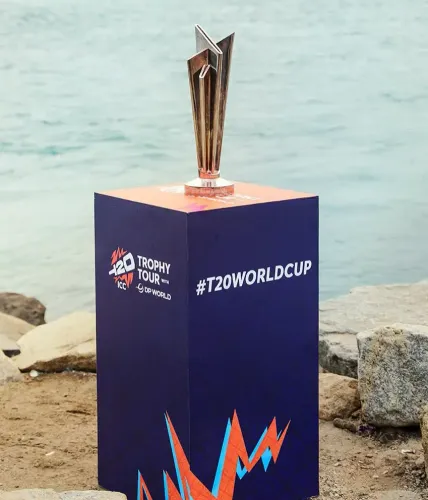
The International Cricket Council (ICC) has allegedly turned down the accreditation requests from journalists in Bangladesh, preventing them from covering the forthcoming ICC T20 World Cup, scheduled to take place in India and Sri Lanka starting February 7.
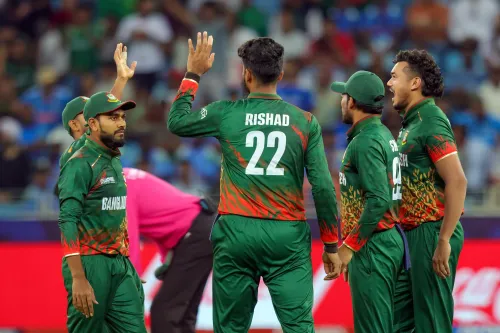
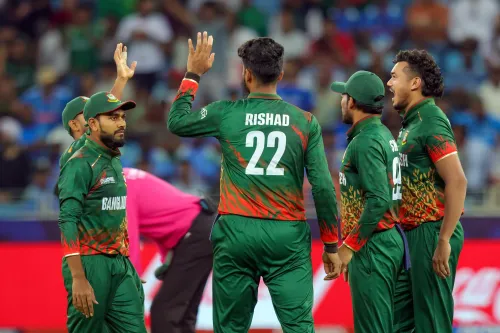
This decision follows Bangladesh's withdrawal from the tournament under the pre-established schedule, which mandated them to play their group-stage matches in India; as a result, Scotland has taken their place.
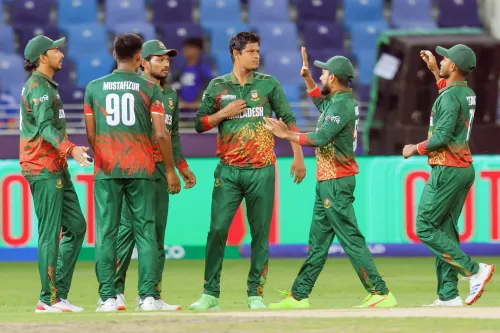
Bangladesh had requested a relocation of their group-stage matches from India to Sri Lanka due to security fears, particularly after Mustafizur Rahman was released from the Indian Premier League (IPL) 2026. However, the ICC's move to replace Bangladesh concluded weeks of uncertainty, as the Bangladesh Cricket Board (BCB) had persistently sought a venue change and even proposed a group swap with Ireland.
A report from the Daily Star indicated that several Bangladeshi photojournalists received approval emails on January 20 and 21, only to have their accreditations later revoked.
Amzad Hossain, chairman of the BCB media committee, stated that approximately 130 to 150 Bangladeshi journalists had applied for accreditation. "To my knowledge, all Bangladeshi journalists were denied accreditation. About 130 to 150 journalists applied this year, but none were granted accreditation,” said Amzad.
Arifur Rahman Babu, a prominent journalist who covered the 1996 ICC World Cup co-hosted by India, Pakistan, and Sri Lanka, expressed his disbelief: “Even if a team isn’t competing, journalists from an ICC Associate Member country can still obtain accreditation. I cannot understand why everyone was denied. I am astonished and vehemently oppose this decision.”
The Bangladesh Sports Journalists Association (BSJA) has announced intentions to collaborate with the Bangladesh Sports Press Association (BSPA) and the Bangladesh Sports Journalists Community (BSJC) to decide on future actions.
Point of View
It is crucial to support our journalists in their pursuit of truth and transparency in sports reporting. The denial of accreditation to Bangladeshi journalists raises significant concerns about media access and representation. It is essential to advocate for the rights of journalists, ensuring that they can cover events that are of national interest regardless of the circumstances surrounding their teams.
NationPress
24 Sept 2026
Frequently Asked Questions
Why were Bangladeshi journalists denied accreditation?
The ICC rejected their applications following Bangladesh's withdrawal from the tournament under the original schedule, which required them to play matches in India.
What was Bangladesh's reason for refusing to participate?
Bangladesh cited security concerns as the primary reason for their request to move group-stage matches from India to Sri Lanka.
How many journalists applied for accreditation from Bangladesh?
Approximately 130 to 150 journalists from Bangladesh applied for accreditation.