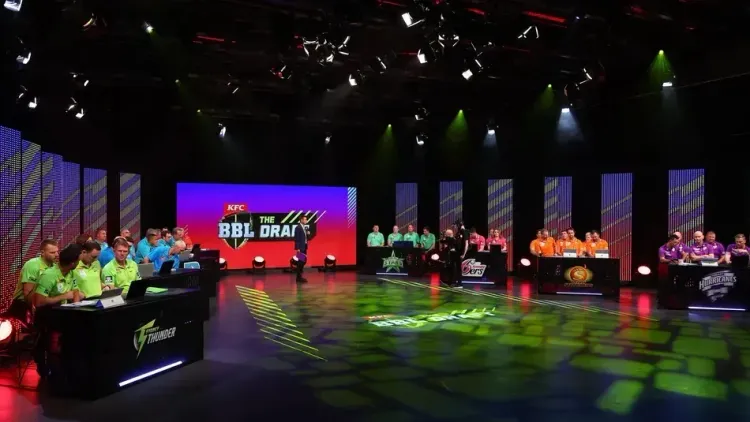
BBL scraps overseas draft, giving clubs freedom to back top stars
Synopsis
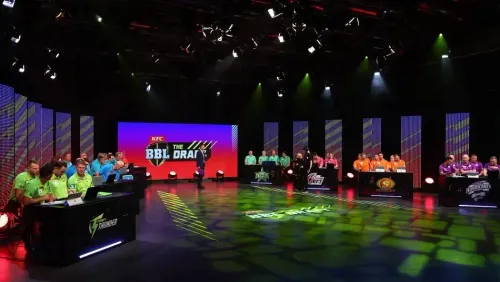
Cricket Australia has scrapped the BBL's mandatory overseas draft — a structural shift that could trigger the league's biggest player deals yet. With clubs now free to ignore overseas signings entirely and concentrate budgets on three marquee stars instead of six, the likes of Ben Stokes, Finn Allen, and Adam Zampa are suddenly worth a lot more to a lot more teams.
Key Takeaways
Cricket Australia has scrapped the BBL overseas draft , effective Thursday, 28 August 2025 .
Clubs are no longer required to sign overseas players and can concentrate spending on domestic stars.
Marquee player obligations reduced from six players to three players above AU$212,242 each; total salary cap stays at AU$3.18 million .
Ben Stokes , Finn Allen , and Adam Zampa are among the players expected to attract bigger deals under the new system.
WBBL follows the same structure: three marquee players above AU$53,000 from a AU$772,000 cap.
A new AU$52,000 salary-cap concession introduced for clubs losing high-paid players via trade or mutual release.
The Big Bash League (BBL) is overhauling its player contracting system after Cricket Australia (CA) scrapped the overseas draft, granting clubs significantly greater flexibility to concentrate spending on their marquee players. The new rules take effect on Thursday, 28 August 2025, just six weeks before the start of the Women's Big Bash League (WBBL) season.
What Has Changed
Under the previous framework, every BBL club was required to sign at least two overseas players, with at least one on a minimum contract of AU$300,000 and the top Platinum tier valued at AU$420,000. Those mandatory requirements have now been removed entirely. Clubs can choose whether to pursue an overseas signing at all, or redirect that budget toward retaining or attracting elite domestic talent.
The marquee player threshold has also been restructured. Each BBL team is now obligated to pay only three marquee players above AU$212,242 each, down from the previous requirement of six. The total salary cap remains at AU$3.18 million, and the top six earners must still collectively receive at least AU$1.7 million — but clubs now hold considerably more discretion over how that pool is distributed.
Players Who Could Benefit
The removal of the overseas draft is expected to drive up contract values for elite T20 players globally. England Test captain Ben Stokes and New Zealand batter Finn Allen are among the overseas names who could attract substantially larger deals under the new system. On the domestic front, Australian leg-spinner Adam Zampa — currently without a BBL contract following his departure from the Melbourne Renegades — is expected to generate significant interest from multiple clubs.
Australian wicketkeeper Josh Inglis, who is out of contract with the Perth Scorchers, is another high-profile free agent, though his availability may be constrained by international commitments during the Test season, according to reports.
Changes to the Women's Big Bash League
The same structural reforms apply to the WBBL. Teams will no longer be required to field an overseas player. Three marquee players must each earn above AU$53,000 from a total salary cap of AU$772,000, and the top five earners must collectively receive more than AU$439,000.
Other Key Rule Adjustments
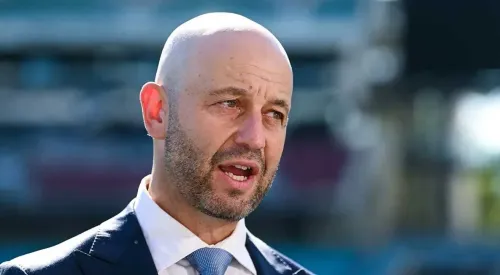
BBL chief executive Alistair Dobson said the reforms were designed to keep pace with a rapidly shifting player market. 'The market for players continues to change, and the BBL and the WBBL have always been prepared to make adjustments as required,' Dobson said.
CA has also introduced a new salary-cap concession for clubs that lose highly paid players through a trade or mutual release. The concession — funded by CA — is worth approximately AU$52,000, equivalent to a minimum BBL contract. To qualify, the player's new deal must be valued at a minimum of AU$360,000.
Replacement player rules have also been tightened. A contracted player ruled out before the tournament can still be replaced, but mid-season, a club may sign a local replacement only after losing three contracted players. One exception applies: a team that loses both its nominated wicketkeepers may sign a replacement regardless of the three-player threshold.
Broader Context
The reforms arrive as CA and the Australian Cricketers' Association (ACA) continue separate negotiations over a new memorandum of understanding, with the current agreement running until 2028. Those talks are also closely tied to CA's longer-term ambitions around introducing greater private investment into the BBL — making the league's commercial structure increasingly relevant to how clubs attract and retain star players going forward.
Point of View
This restructure also looks like groundwork for a franchise-style valuation model, where star-power drives broadcast and commercial returns. The WBBL's parallel reform is the more consequential one for cricket's long game: if marquee women's contracts rise meaningfully, it signals a structural shift, not just a headline adjustment.
NationPress
26 Aug 2026
Frequently Asked Questions
What changes has the BBL made to its overseas player rules?
The BBL has scrapped the mandatory overseas draft, meaning clubs are no longer required to sign any overseas players. Previously, every team had to field at least two overseas players, with one on a minimum contract of AU$300,000.
When do the new BBL contracting rules take effect?
The new rules come into effect on Thursday, 28 August 2025, just six weeks before the start of the Women's Big Bash League season.
Which players stand to benefit from the BBL's new system?
England Test captain Ben Stokes, New Zealand batter Finn Allen, and Australian leg-spinner Adam Zampa are among the players expected to attract larger contracts under the revised framework. Josh Inglis is also out of contract, though Test commitments may limit his availability.
How has the BBL salary cap structure changed?
The total salary cap remains at AU$3.18 million. However, clubs now need only three marquee players earning above AU$212,242 each, reduced from the previous requirement of six. The top six earners must still collectively receive at least AU$1.7 million.
Do the same changes apply to the Women's Big Bash League?
Yes. WBBL teams are also no longer required to sign overseas players. Three marquee players must each earn above AU$53,000 from a total salary cap of AU$772,000, and the top five earners must collectively receive more than AU$439,000.