Delhi Lakshmi Yojana: ₹2,500 monthly aid for women to launch on Raksha Bandhan
Synopsis
Delhi's Mahila Samriddhi Yojana — a poll promise of ₹2,500 a month for women — has been renamed Delhi Lakshmi Yojana and is set to launch on Raksha Bandhan. With an income cap of ₹2.5 lakh and strict one-woman-per-family rules, the scheme's reach and delivery will be the real test of a pledge made on the campaign trail.
Key Takeaways
Delhi Lakshmi Yojana (formerly Mahila Samriddhi Yojana) finalised on 13 July by the Rekha Gupta -led Delhi government.
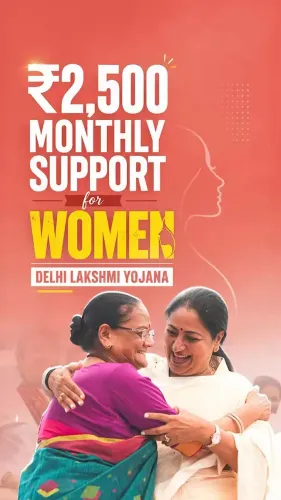
Eligible women aged 21 to 60 will receive ₹2,500 per month .
Scheme targets launch on Raksha Bandhan , next month.
Family annual income must not exceed ₹2.5 lakh ; only the eldest woman per family qualifies.
Women already receiving government pension or financial assistance, and families owning a four-wheeled vehicle , are excluded.
Delhi residency of at least 10 years is mandatory for eligibility.
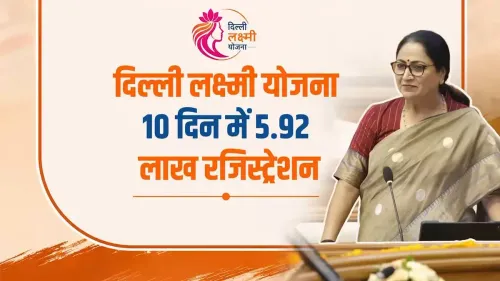
The Rekha Gupta-led Delhi government on Monday, 13 July finalised the roll-out plan for its flagship women's welfare scheme, now renamed Delhi Lakshmi Yojana, under which eligible women aged 21 to 60 will receive ₹2,500 per month. Originally promised as Mahila Samriddhi Yojana during the Assembly elections, the scheme is targeted for launch next month, coinciding with the festival of Raksha Bandhan.
Key Decisions from the High-Level Review
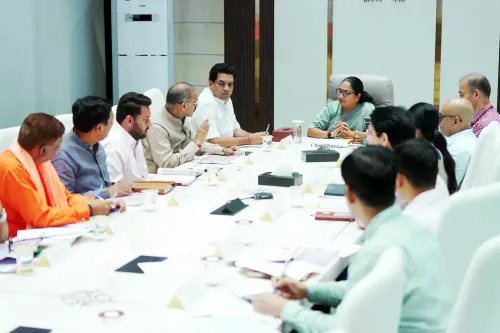
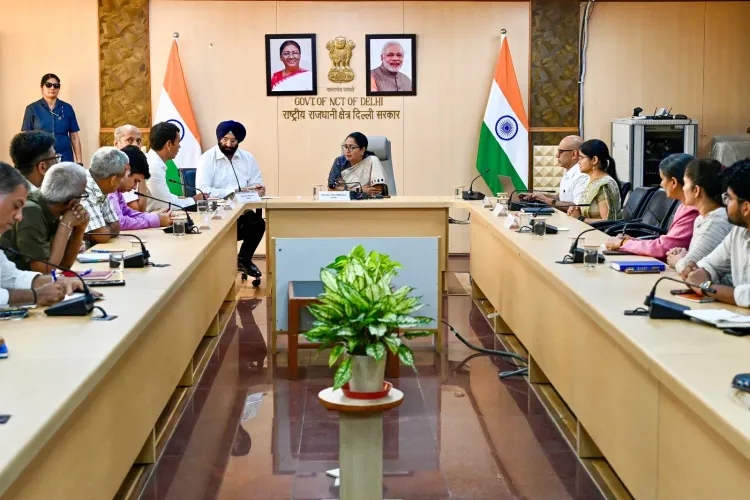
The implementation plan was finalised at a high-level review meeting held at the Delhi Secretariat on Monday. Chief Minister Rekha Gupta directed officials to ensure that benefits reach eligible women in a transparent, simple, and timely manner, with no administrative hurdles impeding delivery. She reiterated her government's resolve to make women's empowerment a cornerstone of its agenda, linking it to the vision of Viksit Bharat as articulated by Prime Minister Narendra Modi.
Who Is Eligible
According to official guidelines, the scheme is open to women — or those whose families — have been residents of Delhi for at least 10 years. The family's annual income must not exceed ₹2.5 lakh. Within a household, only the eldest woman by age qualifies, and the benefit extends to one woman per family. Neither the beneficiary nor any family member should carry a criminal record, and families that own a four-wheeled vehicle are excluded.
Who Is Excluded
Women already receiving benefits from any government pension or other regular financial assistance scheme are not eligible for Delhi Lakshmi Yojana. The government has emphasised strict adherence to guidelines to ensure that benefits reach only genuinely eligible beneficiaries, guarding against duplication with existing welfare programmes.
What the Government Said
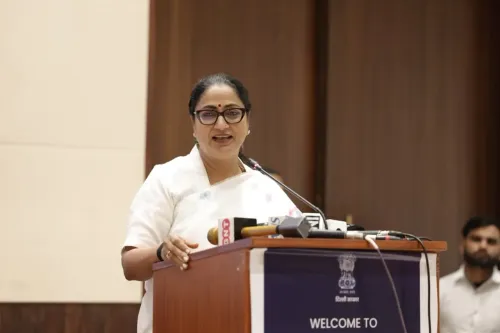
'Under this scheme, eligible women aged 21 to 60 will receive financial assistance of ₹2,500 per month. Eligibility criteria for the scheme have also been established,' said an official government statement. Chief Minister Gupta added: 'We believe that when the women of a household are economically strong, it imparts new momentum to the progress of the family, society, and the nation alike.'
Context and What Comes Next
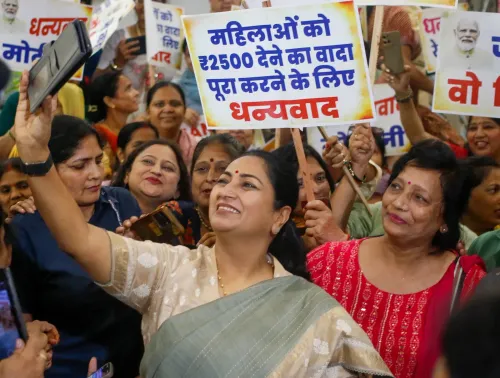
The scheme was a poll pledge made ahead of the Delhi Assembly elections and its renaming to Delhi Lakshmi Yojana signals a deliberate branding shift. Several states — including Maharashtra, Madhya Pradesh, and Karnataka — have launched similar direct-benefit transfer schemes for women in recent years, making such pledges a defining feature of state-level electoral politics. The Raksha Bandhan launch date carries symbolic weight, positioning the scheme as a government 'gift' to women on a festival associated with familial bonds. Officials are expected to roll out the application and verification process in the weeks ahead.
Point of View
But the harder question is delivery: Delhi's administrative machinery has struggled with last-mile welfare disbursement before. The one-woman-per-family rule and the vehicle-ownership exclusion are tighter filters than comparable schemes in other states, which could limit reach but also reduce leakage — a trade-off the government will need to defend publicly. Whether this becomes a genuine economic floor for women or another headline number depends entirely on how fast and how cleanly the verification pipeline is built.
NationPress
13 Oct 2026
Frequently Asked Questions
What is the Delhi Lakshmi Yojana?
Delhi Lakshmi Yojana is a monthly financial assistance scheme for women launched by the Delhi government, providing ₹2,500 per month to eligible women aged 21 to 60. It was previously announced as Mahila Samriddhi Yojana during the Delhi Assembly elections.
When will Delhi Lakshmi Yojana be launched?
The Delhi government has targeted the festival of Raksha Bandhan next month as the launch date for Delhi Lakshmi Yojana. The roll-out plan was finalised at a high-level review meeting on 13 July.
Who is eligible for Delhi Lakshmi Yojana?
Women aged 21 to 60 who have been Delhi residents — or whose families have been residents — for at least 10 years are eligible, provided the family's annual income does not exceed ₹2.5 lakh. Only the eldest woman per family qualifies, and neither the beneficiary nor any family member should have a criminal record.
Who is excluded from Delhi Lakshmi Yojana?
Women already receiving any government pension or regular financial assistance are not eligible. Families that own a four-wheeled vehicle are also excluded from the scheme's benefits.
How does Delhi Lakshmi Yojana compare to similar schemes in other states?
Several states including Maharashtra, Madhya Pradesh, and Karnataka have introduced direct-benefit transfer schemes for women in recent years. Delhi Lakshmi Yojana applies stricter eligibility filters — such as the vehicle-ownership exclusion and the one-woman-per-family cap — compared to some state-level counterparts.