ICC Women's T20 World Cup 2026: Bristol, Southampton venues get multi-million-pound upgrades
Synopsis
Hosting a Women's T20 World Cup has a price — and England is paying it in the best way possible. Bristol's £3 million changing-room overhaul, Southampton's PMOA revamp, and Old Trafford's near-doubling of female toilets signal a structural shift in how English cricket is investing in women's infrastructure, not just for this tournament, but for the decades that follow.
Key Takeaways
Bristol County Ground completed a £3 million refurbishment featuring four world-class changing facilities ahead of the 2026 ICC Women's T20 World Cup .
The Utilita Bowl in Southampton underwent PMOA refurbishments to meet ICC minimum standards.
Old Trafford increased its female toilet count from 63 to 114 for the tournament.
All 12 competing nations arrived without major incident despite shipping and travel disruptions linked to the West Asia crisis .
The ICC's AI-driven GoBubble programme — which monitored 1.5 million toxic comments at the previous World Cup — is active again for player protection.
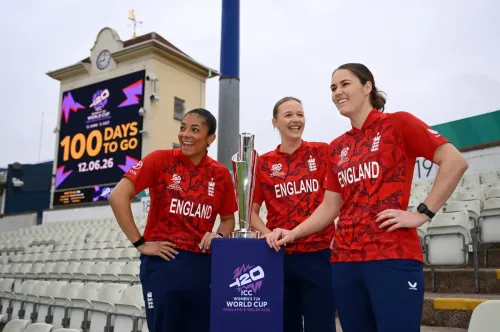
The tournament runs from 12 June to 5 July across seven venues in six cities in England and Wales.
Tournament director Beth Barrett-Wild has confirmed that Bristol County Ground and the Utilita Bowl in Southampton have undergone major infrastructure overhauls ahead of the 2026 ICC Women's T20 World Cup, which the England and Wales Cricket Board (ECB) is hosting across seven venues in six cities from 12 June to 5 July. The refurbishments, Barrett-Wild said, were directly triggered by the venues' selection as World Cup hosts and the minimum facility standards required by the ICC.
Bristol's £3 Million Transformation
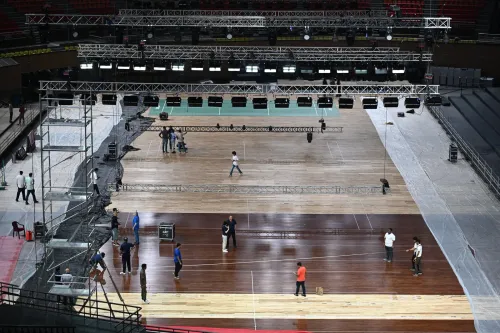
Bristol County Ground in Gloucestershire has completed a multi-million-pound changing room refurbishment — a project Barrett-Wild described as a direct consequence of being named a host venue. Speaking in an exclusive conversation on Thursday, she said the ground has invested in four world-class changing facilities as part of a £3 million project.
'When you host a World Cup, it gives you an opportunity to invest in sorts of capital projects and initiatives,' Barrett-Wild said. She added that the four facilities were specifically designed to support double-header fixtures, a format that has proved popular in domestic competitions. Bristol is scheduled to host several double-headers during the tournament.
Southampton and Old Trafford Upgrades
At the Utilita Bowl (also referred to as the Hampshire Bowl) on the South Coast, significant Players and Match Officials Area (PMOA) refurbishments have been completed. Meanwhile, Lancashire has invested in Old Trafford, where the number of female toilets has risen from 63 in 2025 to 114 for the World Cup — a near-doubling that reflects the event's scale and audience profile.
Lancashire has also developed a secondary facility called Farrington, which Barrett-Wild described as 'almost their second venue.' She noted it was not directly linked to the World Cup but had emerged from the broader growth of women's cricket and the need for a world-class second ground capable of hosting both men's and women's fixtures.
Logistics and the West Asia Crisis
Organisers also navigated significant logistical challenges stemming from the West Asia crisis, which disrupted global shipping and travel timelines. Barrett-Wild confirmed that the ECB and ICC maintained a joint risk register and ran parallel contingency planning sessions throughout the build-up.
'There have been a few delays there too, but we've worked through those as a team,' she said, referring to shipping timelines for kit and equipment. All 12 competing nations arrived without major incident, aided in part by several teams having participated in earlier series in Scotland, Ireland, and England. The British government was also engaged on contingency measures covering potential fuel shortages and security protocols, with Barrett-Wild confirming a 'very high-quality safety and security overlay' comparable to that deployed at men's global events.
Online Abuse Monitoring in Place
On the issue of online abuse — a growing concern across women's sport globally — Barrett-Wild confirmed that dedicated monitoring software is in place for England women's players. The ICC is running a parallel system through an AI-driven programme named GoBubble at the tournament level, the same tool used during the previous World Cup, when it monitored 1.5 million toxic comments across social media platforms.
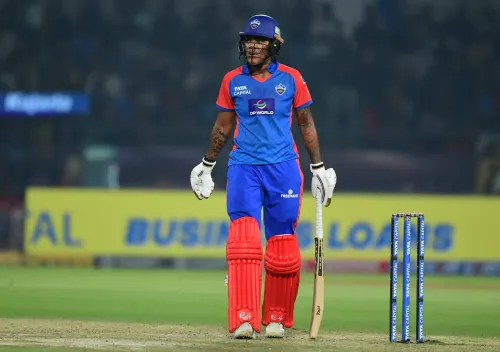
The issue gained renewed attention after India lower-order batter Bharti Fulmali received targeted hate and trolling over her appearance on social media. Barrett-Wild acknowledged the problem was worsening in some respects, but said awareness had grown and monitoring infrastructure had improved across major women's team sports. With the tournament now under way, all eyes will be on whether the upgraded venues and strengthened safeguards deliver a landmark edition of the Women's T20 World Cup.
Frequently Asked Questions
What infrastructure upgrades were made for the 2026 ICC Women's T20 World Cup?
Bristol County Ground completed a £3 million refurbishment with four world-class changing facilities, the Utilita Bowl in Southampton underwent PMOA upgrades, and Old Trafford increased its female toilets from 63 to 114. All improvements were driven by ICC minimum hosting standards for the tournament running from 12 June to 5 July.
Who is the tournament director of the 2026 ICC Women's T20 World Cup?
Beth Barrett-Wild is the tournament director for the 2026 ICC Women's T20 World Cup, being hosted by the England and Wales Cricket Board. She confirmed the venue upgrades and logistical preparations in an exclusive conversation on Thursday.
How did the West Asia crisis affect World Cup preparations?
The crisis caused disruptions to global shipping and travel timelines, leading to some delays in kit and equipment deliveries. The ECB and ICC maintained a joint risk register and contingency plans, and all 12 competing nations ultimately arrived without major incident.
What is GoBubble and how is it used at the Women's T20 World Cup?
GoBubble is an AI-driven programme used by the ICC to monitor and counter social media abuse directed at players and teams. At the previous World Cup it tracked 1.5 million toxic comments; it is being deployed again for the 2026 edition alongside separate monitoring software used for England women's players.
Which cities are hosting the 2026 ICC Women's T20 World Cup?
The tournament is being held across seven venues in six cities in England and Wales between 12 June and 5 July 2026. Host cities include Bristol and Southampton, with Lancashire's Old Trafford in Manchester also among the confirmed venues.