Chappell: Sandpapergate cover-up cost CA more than the act itself
Synopsis
Eight years after Sandpapergate, Greg Chappell says Cricket Australia's original sin wasn't the ball-tampering — it was the cover-up. With Bancroft now claiming the whole team knew, Chappell argues CA's rushed probe left a wound that never healed, and warns that Pat Cummins should not lose his captaincy until a proper inquiry concludes — with Travis Head waiting in the wings if it does.
Key Takeaways
Greg Chappell accused Cricket Australia of compounding Sandpapergate by conducting a rushed, incomplete investigation in 2018 .
Cameron Bancroft recently claimed the entire squad knew of the ball-tampering plan at Newlands, Cape Town ; Chadd Sayers and others have backed that account.
Chappell said he found it 'difficult to believe' only three players — Bancroft, Steve Smith , and David Warner — were aware of the scheme.
He criticised CA for ignoring crisis-management advice from then-media manager Kate Hutchison and called for a thorough fresh inquiry.
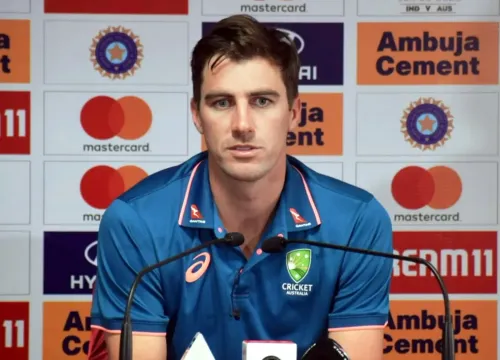
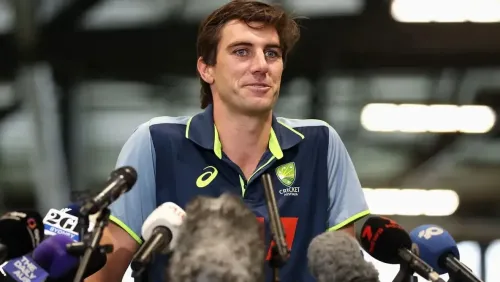
Chappell urged caution on forcing Pat Cummins out before facts are established, naming Travis Head as the ideal successor if a change becomes necessary.
Australia's next Test series against New Zealand begins in Perth on 9 December .
Former Australia captain Greg Chappell has charged Cricket Australia (CA) with paying a prolonged institutional price for a rushed and incomplete investigation into the 2018 ball-tampering scandal at Newlands, Cape Town, arguing that suppressing uncomfortable truths only delays — never prevents — their eventual reckoning.
Chappell's remarks, published in his column for The Sydney Morning Herald on Saturday, 20 November, arrive in the wake of Cameron Bancroft's explosive claim that the entire Australia squad was aware of the plan to tamper with the ball during the Cape Town Test against South Africa. Bancroft also admitted he withheld details when first questioned by CA. Fast bowler Chadd Sayers and others have since corroborated that account; Australia's current Test captain Pat Cummins and the other bowlers have denied any foreknowledge.
Chappell's Watergate Warning
'When Watergate brought down a presidency, the lesson was the same — the cover-up does more damage than the original offence. Hiding uncomfortable truths doesn't make them go away,' Chappell wrote. 'They find their own way out, and the only way to protect an institution is to face them honestly when they first appear. Cricket Australia is learning that in public, and it's painful to watch.'
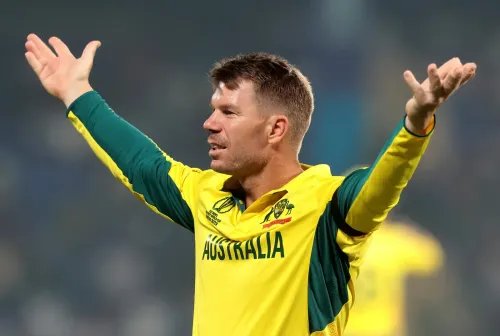
The former captain admitted he found it hard to accept that only three players — Bancroft, Steve Smith, and David Warner — were the sole architects and custodians of the plan. 'I wasn't there and can't prove otherwise, but I find it difficult to believe that only three men were aware. What I can say is that the process that should have settled this eight years ago didn't, and we're all paying for it now,' he said.
Bancroft's Burden and CA's Investigation Shortcomings
Chappell reserved particular sympathy for Bancroft, noting that unlike Smith and Warner — both of whom rebuilt reputations with run-scoring — Bancroft lacked the same platform for redemption. 'Bancroft has carried a heavy load for a long time. Steve Smith and David Warner had the talent to rebuild their reputations with runs. Bancroft didn't get that chance, and he's had to wear the stigma mostly alone, branded by many as the man behind a plan that made no sense,' he wrote.
He also questioned why then-media manager Kate Hutchison's advice on crisis management was set aside. 'She also gave sensible advice on how to handle the crisis once the cameras caught the attempt. Who brushed her aside, and why? Was it the senior players who thought they knew better? We should know who made that call, and why,' Chappell wrote. With hindsight, he argued, a more thorough interview of the full playing group at the time would have resolved the matter definitively.
Why It Took Eight Years to Surface
Chappell pointed to cricket's unwritten dressing-room code — and players' fear for their places — as the principal reasons it took so long for wider knowledge to be acknowledged. He defended Usman Khawaja, whose memoir Sabr reopened the debate. 'Why did it take eight years for any of this to come out? Anyone who has played Test cricket knows the answer. You don't speak up against your own side, you worry about your place in the team, and there's an unwritten code that what happens in the dressing room stays there,' he wrote, adding that the silence was understandable but not excusable.
He argued that autobiographies were a legitimate outlet when in-career channels were unavailable, and called for a formal, confidential mechanism for players and staff to raise concerns 'with someone outside the chain of command, without it costing him his place.'
Cummins Leadership Question and Travis Head as Successor
On the growing calls for Cummins to resign as Test captain, Chappell urged restraint, warning against repeating the hasty punishments of 2018. 'The mistake of 2018 was punishing people before the facts were known, and I don't want to see it repeated. Believing others knew isn't the same as proving it. No man should lose his job based on a disputed account, no matter which side it comes from,' he said.
He acknowledged Cummins carried responsibility for team culture, but drew a distinction between cultural accountability and personal culpability for something he may not have known about at the time. Australia's next Test assignment is against New Zealand in Perth starting 9 December, and Chappell stressed the squad needed stability rather than further disruption.
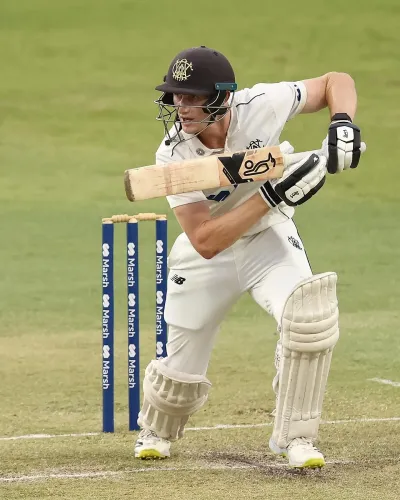
Should a change prove necessary, Chappell named Travis Head as the right successor. Head made his Test debut in October 2018 — months after Newlands — leaving him untouched by the affair. South Australia appointed him captain at 21, and he was named co-vice-captain of the national side in 2023. 'He's also delivered in the biggest games, with a hundred in the 2023 World Test Championship final and another in that year's World Cup final. A new captain from outside the 2018 group would give the team a fresh start while the old argument settles elsewhere,' Chappell concluded.
With a formal inquiry now expected, the question is whether CA will draw the full conclusions that eluded the original investigation — or once again leave the dressing-room code intact at the cost of institutional credibility.
Point of View
And CA's reluctance to pursue the full playing group reflected the same dressing-room omertà it was supposed to scrutinise. What's missing from the current debate is accountability for the institutional actors — board officials, team management — who shaped the investigation's scope. Bancroft's belated candour deserves a formal response, not another round of selective memory.
NationPress
20 Nov 2026
Frequently Asked Questions
What did Greg Chappell say about Sandpapergate?
Chappell argued that Cricket Australia caused lasting damage to itself by conducting a rushed, incomplete investigation after the 2018 ball-tampering scandal in Cape Town, writing that 'the cover-up does more damage than the original offence.' He said the full playing group should have been properly interviewed at the time to reach a definitive conclusion.
What has Cameron Bancroft claimed about the 2018 ball-tampering?
Bancroft claimed in a recent article that the entire Australia squad was aware of the plan to tamper with the ball during the Cape Town Test against South Africa. He also admitted he held back details when first questioned by Cricket Australia. Fast bowler Chadd Sayers and others have since supported his account.
Should Pat Cummins resign as Australia Test captain?
Chappell urged that Cummins should not be forced out before a proper inquiry concludes, warning against repeating the hasty punishments of 2018. He distinguished between Cummins' responsibility for team culture and personal culpability for events he may not have known about.
Who has Greg Chappell named as a potential Australia Test captain?
Chappell named Travis Head as the ideal successor if Pat Cummins steps aside or is replaced. Head made his Test debut in October 2018 — after Newlands — leaving him untouched by the scandal, and has captaincy experience with South Australia from age 21.
Why did it take eight years for new Sandpapergate details to emerge?
Chappell attributed the long silence to cricket's unwritten dressing-room code — that internal matters stay private — and players' fear of losing their places in the team. He defended Usman Khawaja for raising the issue in his memoir Sabr, and called for a formal, confidential channel for players to raise concerns without career risk.