CWG 2026: Why athletics continues in Glasgow rain — rules, risks explained

Synopsis
Rain-soaked Glasgow has exposed a fundamental tension at CWG 2026 — between fan concern for athlete safety and the rigid logistical architecture that makes reserve days nearly impossible in major athletics. World Athletics rules treat rain as part of the game; the real question is whether climate change will eventually force a rethink.
Key Takeaways
World Athletics regulations permit competition in wet weather unless the venue becomes unsafe or severe weather poses an immediate threat.
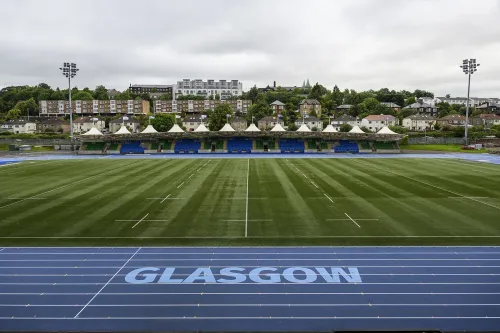
Modern synthetic tracks at Glasgow 2026 use advanced drainage systems to prevent waterlogging and maintain athlete grip.
Ground staff dry throwing circles and jump runways between attempts; officials inspect the track before each event.
Reserve days are logistically impractical — they would disrupt TV schedules, medal ceremonies, multi-event athlete programmes, and travel arrangements for thousands of participants.
Climate change is prompting broader discussions in international sport about weather protocols, but a reserve-day system for athletics championships remains unlikely in the near term.
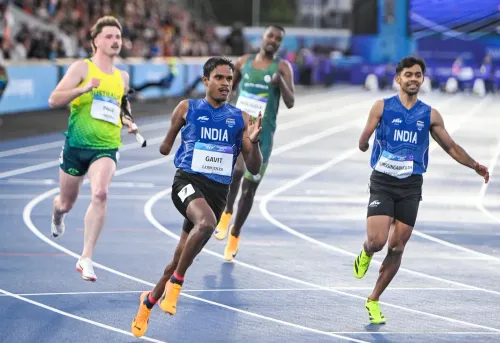
Heavy rain at the 2026 Commonwealth Games in Glasgow has turned the weather into a storyline almost as prominent as the medals, with spectators repeatedly questioning why athletics events are not halted, postponed, or protected by reserve days. The concerns are legitimate — but the answers lie deep in how international athletics is structured and regulated.
Why Rain Alone Does Not Stop Athletics
Under World Athletics regulations, wet weather is not sufficient grounds to suspend competition unless the venue becomes genuinely unsafe or severe weather poses an immediate threat. Modern synthetic tracks installed at major championships are engineered with advanced sub-surface drainage systems that prevent waterlogging, allowing athletes to retain grip even during persistent downpours.
Track officials monitor surface conditions continuously throughout each session. The authority to delay or suspend events rests with them — but that call is made on safety grounds, not spectator comfort or broadcast optics. Rain, by itself, does not cross that threshold.
The Real Injury Risk — and How It Is Managed
Wet conditions do raise the degree of difficulty. Sprint starts off slippery blocks, throwing circles that accumulate moisture, and long-jump runways that demand adjusted technique all create added physical risk for competitors. Elite athletes, however, train across a range of weather conditions and are expected to adapt at the highest level of the sport.
Organisers at Glasgow 2026 have put in place several precautionary measures: ground staff dry throwing circles and jump runways between attempts; track officials inspect the surface before each event; athletes are permitted extended warm-up measures when conditions deteriorate; and all equipment is checked to confirm it remains competition-ready. These steps are standard practice at major championships, not unique to Glasgow.
Why Reserve Days Are Not a Realistic Option
The absence of reserve days is perhaps the most misunderstood aspect of major athletics championships. Unlike cricket or tennis — where a single match can be shifted by 24 hours with limited knock-on effects — an athletics programme at a multi-sport Games runs dozens of events across morning and evening sessions over multiple days, with hundreds of athletes entered across heats, semifinals, and finals, many competing in more than one discipline.
Adding even one reserve day would trigger a cascade of complications: television broadcast windows would be disrupted, medal ceremonies rescheduled, multi-event athletes could face direct scheduling clashes, and travel and accommodation arrangements for thousands of athletes, officials, and volunteers would need to be restructured at short notice. The logistical cost is prohibitive.
Could the Rules Change as Climate Shifts?
The question is being asked with increasing urgency across international sport. More frequent extreme weather events linked to climate change have prompted governing bodies in several disciplines to revisit their weather protocols. For athletics, however, reserve days at the championship level remain highly impractical given the scale of the scheduling challenge.
The more likely direction, according to current discussions, is investment in superior drainage infrastructure, more granular real-time weather forecasting, and tighter safety intervention thresholds — rather than a fundamental rewrite of the competition calendar.
The Fan Perspective
'If the rain is this heavy, why risk injuries?' was a question heard repeatedly around the stadium in Glasgow, according to reports from the venue. Spectators also questioned why a single day's postponement was not possible. Their concern reflects a genuine regard for athlete welfare — and it is not without merit.
Under current international regulations, however, outdoor athletics is designed to operate in variable conditions. Officials intervene only when weather crosses from inconvenient into dangerous. Until that threshold is reached, the competition continues — and the athletes, by and large, expect nothing less. How governing bodies balance that tradition against evolving climate realities will be one of the defining administrative questions for the sport in the years ahead.
Point of View
But it points to a structural gap in how athletics communicates its own rules to a general audience. World Athletics has never had a strong public-education reflex around weather protocols, and that silence gets filled by confusion and outrage on social media every time it rains at a major championship. The deeper issue is climate: as extreme weather events become more frequent, the 'rain is part of the sport' defence will face harder scrutiny. Governing bodies that invest only in drainage and forecasting, without revisiting intervention thresholds, may find public trust eroding faster than their runways dry.
NationPress
28 Oct 2026
Frequently Asked Questions
Why does athletics continue in heavy rain at CWG 2026?
Under World Athletics regulations, rain alone is not sufficient to halt competition — events continue as long as the venue is safe and no severe weather threat exists. Modern synthetic tracks are built with drainage systems that prevent water accumulation, allowing athletes to maintain grip even in heavy showers.
Does rain increase the risk of injury for athletes at the Commonwealth Games?
Wet conditions do add difficulty — sprint starts, throwing circles, and jump runways all require extra care. Organisers manage this by having ground staff dry surfaces between attempts, conducting pre-event track inspections, and allowing athletes extended warm-up time when conditions deteriorate.
Why are there no reserve days for athletics at CWG 2026?
Athletics programmes at major Games involve dozens of events, hundreds of athletes in heats and finals, and tightly scheduled TV broadcasts — adding a reserve day would cascade into scheduling clashes, disrupted medal ceremonies, and logistical chaos for thousands of participants. Unlike a single cricket match, the entire programme cannot simply shift by one day.
Could World Athletics change its weather rules in the future?
Discussions are ongoing across international sport as climate change produces more frequent extreme weather. However, reserve days for athletics championships remain highly unlikely given scheduling complexity. The more probable path is better drainage infrastructure, improved weather forecasting, and tighter safety thresholds.
When do officials actually suspend or delay an athletics event due to weather?
Officials have the authority to delay or suspend competition when the track surface becomes genuinely unsafe or when severe weather — such as lightning, high winds, or significantly reduced visibility — poses a direct threat to athlete safety. Rain alone, without these compounding factors, does not typically meet that threshold.