FIA closes Bahrain GP software bug probe, fixes to stay for Singapore GP
Synopsis
A software bug that left Verstappen, Hamilton, Pérez and Hulkenberg crawling during the Bahrain GP formation lap has been fully investigated by the FIA — and the fix is being carried straight into Singapore. The governing body's detailed timeline reveals the fault was cracked in under five minutes, but the fallout has triggered a broader overhaul of Power Unit software testing, with an ECU supplier now brought into the loop.
Key Takeaways
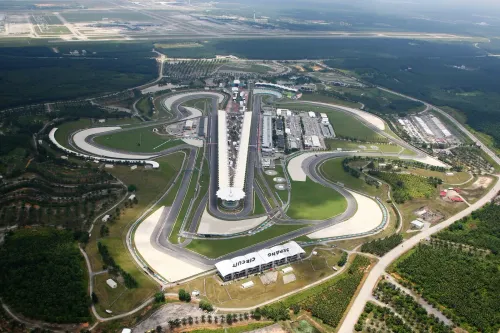
The FIA has concluded its investigation into the Bahrain GP software bug that caused power loss during formation laps at Sepang Circuit .
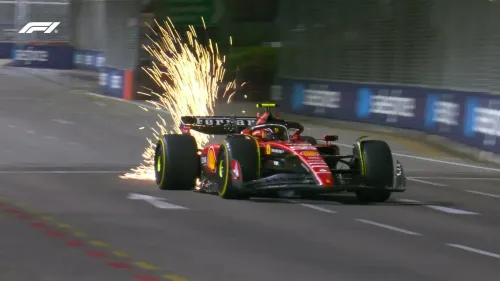
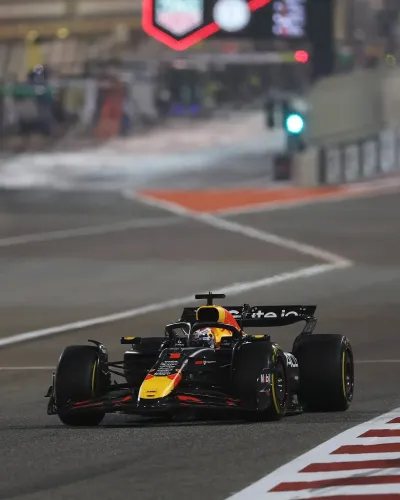
Cars including those of Max Verstappen , Lewis Hamilton , Sergio Pérez , and Nico Hulkenberg suffered unintended power loss due to a 250kW power reduction zone misconfiguration.
The FIA technical team identified the cause within five minutes of suspending the start; the race resumed approximately 48 minutes after the suspension.
The corrective software configuration will be retained for the Singapore Grand Prix if wet weather conditions are expected.
A further wet weather software update is planned for the US Grand Prix on 25 October .
The FIA, teams, and Power Unit Manufacturers will strengthen software validation processes, including independent assessment and input from the ECU supplier .
The Fédération Internationale de l'Automobile (FIA) has concluded its investigation into the software bug that disrupted the Bahrain Grand Prix formation laps at the Sepang Circuit in Malaysia, confirming that the corrective software configuration will remain in place for the Singapore Grand Prix this weekend. The governing body also announced a further software update is planned for the United States Grand Prix on 25 October.
What Went Wrong in Sepang
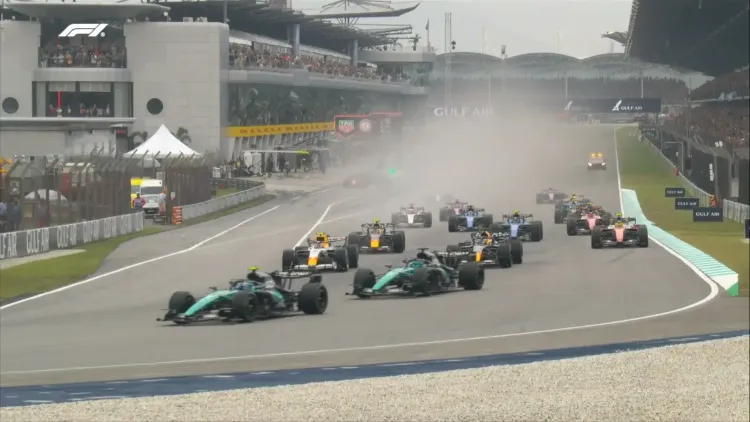
Heavy rain had already pushed back the start of the Bahrain GP before a software bug compounded the delay during the formation laps. As cars circulated the Sepang Circuit, several machines experienced significant speed loss — among those affected were Max Verstappen, Lewis Hamilton, Sergio Pérez, and Nico Hulkenberg, with some cars crawling at near-standstill pace.
The FIA confirmed the root cause: cars running at low engine speeds in track sections where a 250kW power reduction had been applied suffered an unintended loss of power due to the software configuration. The fault was identified within minutes of the race start being suspended.
The FIA's Timeline of Events
The governing body released a detailed minute-by-minute account of its response:
At 15:45, the race start procedure was suspended following two formation laps after multiple cars reported power loss. By 15:50 — within five minutes — the FIA technical team had identified the cause and issued an updated Power Unit software configuration. At 16:03, teams received further technical guidance on implementing the revised settings. By 16:20, all competitors had completed the integration process. The 10-minute signal was issued at 16:22, and cars left the pit lane for the race start at 16:33.
What the FIA Said About Pre-Race Testing
Addressing criticism that the software had not been adequately tested before deployment, the FIA pushed back firmly. According to its statement, teams and Power Unit Manufacturers (PUMs) had conducted simulation exercises to validate the software package ahead of the event. It was also tested during Free Practice 1 sessions at both the Belgian Grand Prix and the Dutch Grand Prix in full-scale running conditions.
The FIA acknowledged, however, that the review recommended additional measures for software testing, recognising that opportunities for live testing are inherently limited in a racing environment.
What Happens Next
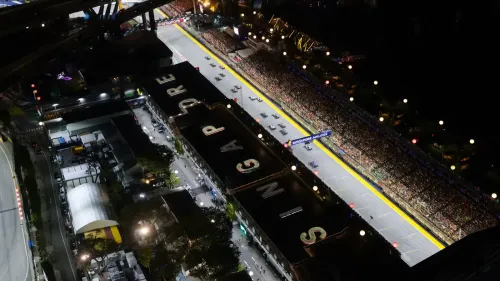
The FIA confirmed that the Sepang configuration will be reinstated for the Singapore Grand Prix if similar wet weather conditions are expected. A further update to the wet weather software is scheduled for release ahead of the US Grand Prix on 25 October.
Beyond immediate fixes, the FIA, teams, and PUMs have committed to strengthening Power Unit software testing and verification capabilities. This includes independent assessment, collaborative feedback, and closer coordination with the supplier of the standardised Electronics Control Unit (ECU). The episode has raised broader questions about software validation protocols in a sport where milliseconds — and race starts — can hinge on a single configuration file.
Point of View
But it does not answer the harder question: how did a 250kW zone misconfiguration survive simulation, two FP1 sessions, and pre-event checks before failing in anger on race day? The governing body's own defence — that live testing opportunities are limited — inadvertently underscores how fragile software-dependent race starts have become. With an ECU supplier now formally in the validation loop, this may mark the beginning of a more rigorous certification standard; but until those protocols are published, the sport is essentially asking the public to trust a process it cannot see.
NationPress
8 Oct 2026
Frequently Asked Questions
What caused the Bahrain GP software bug?
Cars experienced an unintended loss of power when operating at low engine speeds in track sections where a 250kW power reduction had been applied, according to the FIA. The software configuration interacted unexpectedly with low-speed running conditions during the formation laps at the Sepang Circuit.
Which drivers were affected by the power loss during the Bahrain GP formation lap?
Max Verstappen, Lewis Hamilton, Sergio Pérez, and Nico Hulkenberg were among the drivers who suffered significant speed loss during the formation laps. Several cars slowed to a crawl, further delaying an already rain-disrupted start.
Will the software fix be used at the Singapore Grand Prix?
Yes. The FIA confirmed that the software configuration established for the Sepang event will be reinstated for the Singapore Grand Prix if similar wet weather conditions are anticipated. A further update is also planned for the US Grand Prix on 25 October.
Was the Bahrain GP software tested before the race?
The FIA stated that teams and Power Unit Manufacturers conducted simulation exercises before the event and that the software was tested during Free Practice 1 sessions at both the Belgian Grand Prix and the Dutch Grand Prix. The governing body acknowledged, however, that the review recommended stronger testing measures given the limitations of live pre-race testing.
How long did the Bahrain GP delay last?
The race start procedure was suspended at 15:45. The 10-minute signal to start was issued at 16:22, with cars leaving the pit lane at 16:33 — meaning the delay lasted approximately 48 minutes from suspension to the restart procedure commencing.