FIA declares heat hazard for Singapore GP 2026, fourth time this F1 season

Synopsis
For the second year running, the FIA has declared a heat hazard at the Singapore GP — the fourth such ruling of the 2026 F1 season. With track temperatures forecast to hit 55–56°C and a 40% rain probability on both Sprint and race days, this triple-header finale could be the most physically punishing round of the year.
Key Takeaways
The FIA has declared a heat hazard for the 2026 Singapore Grand Prix — the second consecutive year the race has received the designation.
This is the fourth heat-hazard declaration in Formula 1 this season, following the Austrian , Italian , and Bahrain GPs.
Track temperatures are forecast to peak at 55–56°C on Friday and Saturday, with race-day highs of 54–56°C .
There is a 40 per cent chance of rainfall on both Saturday and Sunday, complicating tyre strategy across the Sprint weekend.
Under heat-hazard rules, all cars must carry the onboard driver cooling system ; drivers may choose whether to wear the cooling vest while its design is finalised.
The Singapore GP is Round 17 of the 2026 season and the final race of a triple-header .
The Fédération Internationale de l'Automobile (FIA) has declared a heat hazard for the 2026 Singapore Grand Prix for a second consecutive year, marking the fourth such designation in Formula 1 this season. The declaration follows similar rulings at the Austrian, Italian, and last weekend's Bahrain Grand Prix.
Official Declaration
Rui Marques, FIA Formula 1 race director, confirmed the designation in a formal statement: 'In accordance with Article B1.5.10 of the FIA F1 Regulations, having received a forecast from the Official Weather Service predicting that the Heat Index will be greater than 31.0°C at some time during the Sprint or Race at this event, a Heat Hazard is declared for both the Sprint and Race.'
Under FIA regulations, a heat hazard can be declared when pre-event weather forecasts predict temperatures of 31°C or above at any point during a Sprint or Grand Prix. Once declared, drivers are permitted to use an onboard cooling system specifically designed for extreme-heat conditions.
What the Heat Hazard Means for Drivers
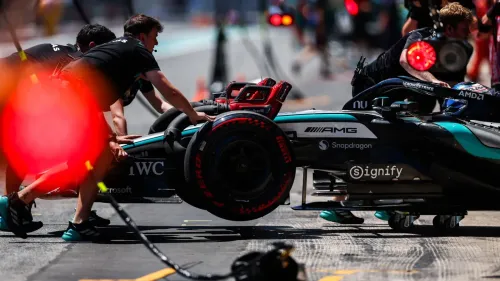
The cooling system's 'sole purpose,' according to the FIA, is providing additional relief for drivers under heat-hazard conditions. The setup includes a pump, plumbing, and a thermal store, with cold fluid delivered to drivers via a specially designed fireproof vest embedded with cooling tubes.
Crucially, all core system components must be fitted to competing cars. However, drivers currently retain the choice of whether or not to wear the vest itself, as engineers continue to refine the design. This detail underscores that the technology, while mandated structurally, is still being fine-tuned at the driver-comfort level.
Weather Forecast for Race Weekend
The Singapore GP serves as Round 17 of the 2026 Formula 1 season and the final leg of a demanding triple-header. Conditions across the weekend are expected to be warm and humid, with daytime highs of 33°C and overnight lows of 26°C.
On Friday, track temperatures are forecast to peak at 55–56°C during FP1, before cooling considerably for sprint qualifying in the evening. A 30 per cent chance of rain exists in the afternoon, with moderate winds averaging 7.6 kph and gusts up to 25.2 kph.
Saturday brings a heat index of 36–38°C, with track temperatures again nearing 55°C during the Sprint and a 40 per cent probability of precipitation. Winds of 5–10 kph with gusts reaching 25–30 kph are anticipated.
On race day, track temperatures are projected to reach 54–56°C during the early-to-mid afternoon, though conditions are expected to cool considerably before the main race. There is again a 40 per cent chance of a pop-up shower or thunderstorm during the mid-to-late afternoon.
Tyre and Strategy Implications
Extreme track temperatures make tyre management a critical variable across the weekend, particularly during the Sprint format where strategic flexibility is limited. The potential combination of intense heat and intermittent rainfall could further complicate compound selection for all teams.
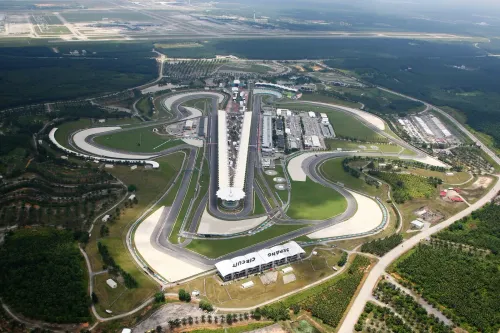
Notably, Round 17 could see track conditions more severe than those experienced at Sepang last weekend, which itself prompted a heat-hazard declaration. Teams managing a back-to-back triple-header will face compounded logistical and engineering pressures heading into qualifying.
Pattern of Heat Hazards in 2026
The frequency of heat-hazard declarations in the 2026 F1 season — now at four events — points to a broader trend of extreme heat affecting motorsport calendars. This is the second straight year the Singapore GP has received the designation, raising longer-term questions about scheduling and driver welfare protocols as global temperatures rise.
With the Singapore GP set to begin this weekend, all eyes will be on how teams and drivers navigate one of the most physically demanding circuits on the calendar under these conditions.
Point of View
And that Bahrain, Austria and Italy joined it in 2026, points to a structural mismatch between the legacy calendar and worsening climate conditions. The driver cooling system is a welcome mitigation, but the choice to make vest-wearing optional while design work continues raises a genuine welfare question: are competitive pressures already influencing driver decisions on personal safety equipment? The FIA's longer-term answer may need to be calendar reform, not just better vests.
NationPress
8 Oct 2026
Frequently Asked Questions
What is a heat hazard declaration in Formula 1?
A heat hazard is declared by the FIA when pre-event weather forecasts predict a heat index of 31°C or above at any point during a Sprint or Grand Prix. Once declared, teams are required to fit an onboard driver cooling system to all competing cars, and drivers may choose to wear a specially designed fireproof cooling vest.
Why has the FIA declared a heat hazard for the 2026 Singapore GP?
The FIA issued the declaration after the Official Weather Service forecast a heat index exceeding 31°C during the Sprint and Race at the Singapore circuit. Track temperatures are expected to peak at 55–56°C, making external cooling essential for driver safety and performance.
How many times has a heat hazard been declared in the 2026 F1 season?
The Singapore GP is the fourth event in the 2026 Formula 1 season to receive a heat-hazard declaration, following the Austrian, Italian, and Bahrain Grand Prix. It is also the second consecutive year the Singapore GP has been given the designation.
What does the driver cooling system involve?
The system includes a pump, plumbing, and a thermal store that generates cold fluid, which is delivered to the driver through a fireproof vest fitted with cooling tubes. All core hardware must be installed in the car, though drivers currently have the option of whether to wear the vest while its design is being refined.
What is the weather forecast for the 2026 Singapore GP race weekend?
Conditions are expected to be warm and humid throughout, with daytime highs of 33°C and overnight lows of 26°C. Track temperatures are projected to reach 54–56°C during afternoon sessions on all three days, with a 30 per cent chance of rain on Friday and a 40 per cent chance on both Saturday and Sunday.