India wins 3 medals at Asian Junior Pickleball Championship 2026 in Thailand
Synopsis
India punched above its weight at the Asian Junior Pickleball Championship 2026 in Thailand, claiming gold, silver, and bronze across U18 and U12 categories. With medals in both doubles and singles events, this is India's most well-rounded continental junior pickleball result yet — a signal that the country's grassroots investment in the sport is beginning to pay off.
Key Takeaways
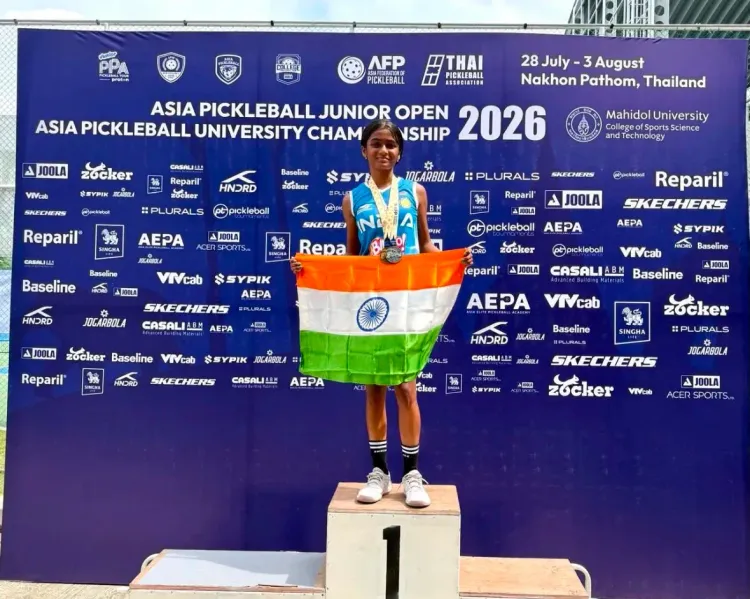
India won 3 medals — gold, silver, bronze — at the Asia Pickleball Junior Open / Asian Junior Championship 2026 in Nakhon Pathom, Thailand .
Stuti and Anjali claimed gold in U18 Girls' Doubles .
Anjali Pol won silver in U18 Girls' Singles .
Aadya and Keerthi secured bronze in U12 Girls' Doubles .
The event was organised by the Asia Federation of Pickleball (AFP) and hosted at Mahidol University .
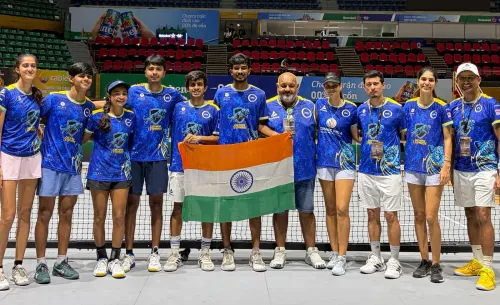
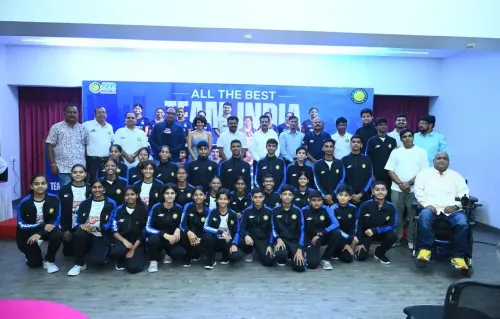
India's junior pickleball contingent claimed three medals at the Asia Pickleball Junior Open / Asian Junior Championship 2026, held at Mahidol University in Nakhon Pathom, Thailand, on 8 August 2026. The haul — one gold, one silver, and one bronze — spanned multiple age categories and underscored the rising depth of India's junior pickleball pipeline.
India's Medal Winners
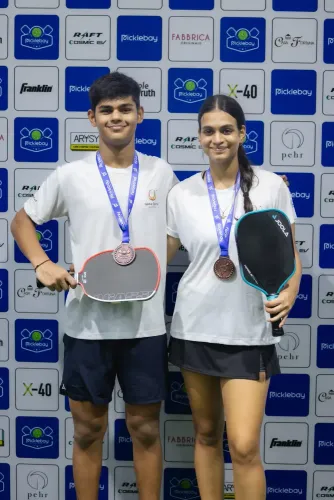
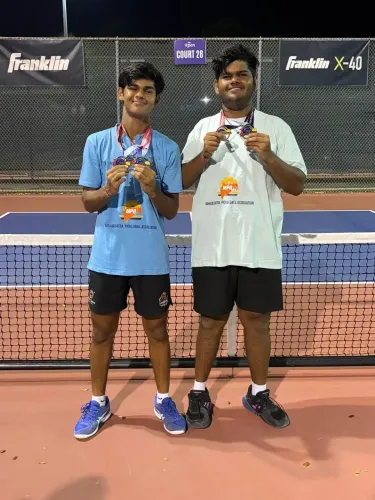
Stuti and Anjali topped the podium in the U18 Girls' Doubles, delivering an impressive run through the draw to clinch gold. Anjali Pol then returned to the court in the U18 Girls' Singles to add a silver medal to India's tally. In the youngest category, Aadya and Keerthi secured the bronze medal in the U12 Girls' Doubles, demonstrating that Indian pickleball's depth extends well below the senior age groups.
What Officials Said
Arvind Prabhoo, commenting on the campaign, said: 'This is a very encouraging performance from our young Indian players at the Asian Junior Championship. Winning a gold, silver and bronze across different age categories reflects the growing depth and potential of junior pickleball in India. International exposure at this stage is extremely important for the development of these athletes, and performances like these give us great confidence in the future of Indian pickleball.'
About the Championship
Organised by the Asia Federation of Pickleball (AFP), the three-day event brought together Asia's leading emerging junior talent across boys' and girls' competitions in multiple age categories. Mahidol University in Nakhon Pathom served as the venue, providing a high-performance international setting focused on athlete development and long-term competitive pathways.
Why This Result Matters
Pickleball is among the fastest-growing racquet sports globally, and India has been investing in grassroots and junior development to establish a continental foothold. This is the country's strongest recorded showing at a dedicated AFP junior continental championship. Notably, the medals came across two distinct age groups — U12 and U18 — suggesting the talent base is not concentrated in a single cohort. As these athletes accumulate international experience, the results are expected to feed into stronger senior-level performances in the coming years.
Point of View
Which makes these results even more significant. The question now is whether federations and sponsors will treat this as a signal to scale investment before a rival Asian nation corners the development advantage.
NationPress
23 Sept 2026
Frequently Asked Questions
How many medals did India win at the Asian Junior Pickleball Championship 2026?
India won three medals — one gold, one silver, and one bronze — at the Asia Pickleball Junior Open / Asian Junior Championship 2026 held in Nakhon Pathom, Thailand, on 8 August 2026.
Who won gold for India at the Asian Junior Pickleball Championship?
Stuti and Anjali won the gold medal in the U18 Girls' Doubles event. It was India's top finish at the three-day continental championship.
What did Anjali Pol win at the 2026 Asian Junior Pickleball Championship?
Anjali Pol won the silver medal in the U18 Girls' Singles category. She had also been part of the gold-winning U18 Girls' Doubles pair alongside Stuti.
Where was the Asian Junior Pickleball Championship 2026 held?
The championship was held at Mahidol University in Nakhon Pathom, Thailand, and was organised by the Asia Federation of Pickleball (AFP) over three days.
Why is India's performance at the pickleball championship significant?
The three-medal haul across U12 and U18 age groups reflects growing depth in India's junior pickleball talent base. It is the country's strongest showing at an AFP junior continental championship and signals that grassroots development efforts are beginning to yield international results.