CWG 2026: How India's high-performance system powered a 39-medal haul in Glasgow
Synopsis
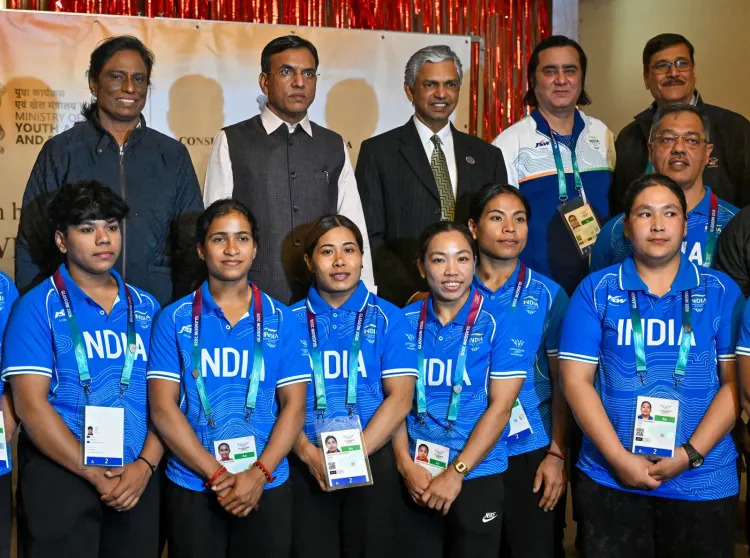
India's 39-medal haul at CWG 2026 in Glasgow wasn't built in a week — it was assembled over a decade. With TOPS, SAI, NSFs, and the IOA operating as a coordinated machine, this campaign marks the clearest proof yet that India's elite sport infrastructure is ready to compete consistently on the world stage ahead of LA 2028.
Key Takeaways
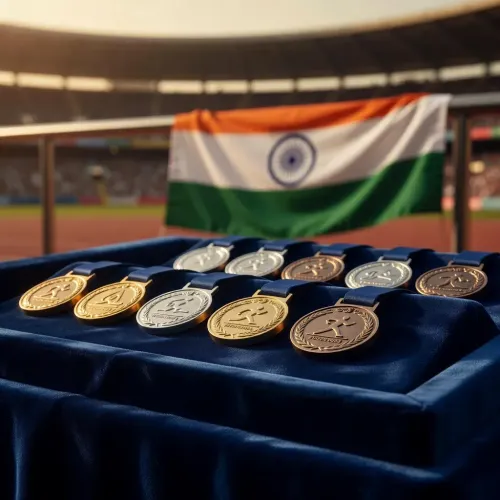
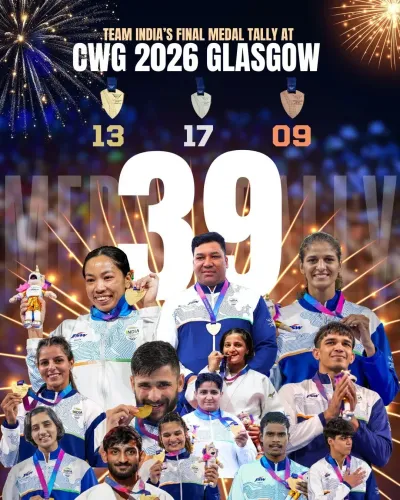
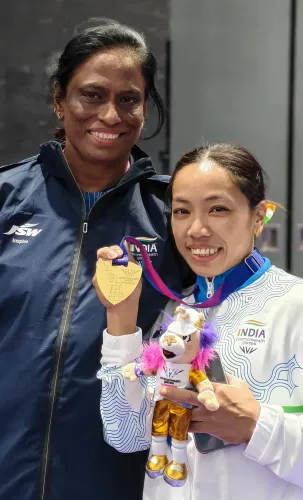
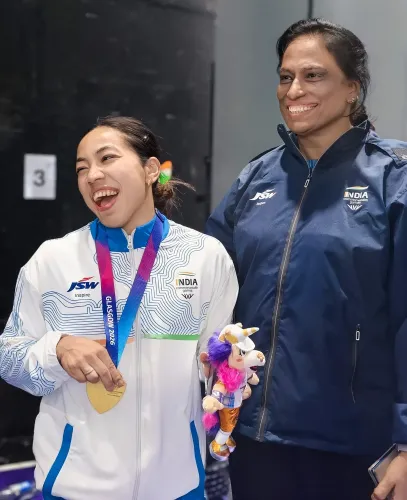
India finished CWG 2026 in Glasgow with 39 medals — 13 gold, 17 silver, and 9 bronze .
The Target Olympic Podium Scheme (TOPS) provided personalised support, overseas training, and elite staff access to key medal contenders.
National Sports Federations (NSFs) ran structured training camps and exposure competitions ahead of the Games.
The Indian Olympic Association (IOA) managed all logistical operations in Glasgow, from accommodation to accreditation.
India's medal spread across multiple disciplines signals a shift away from dependence on traditional strongholds.
The Glasgow campaign is expected to inform India's preparation for the Asian Games and Los Angeles 2028 Olympics .
India returned from the 2026 Commonwealth Games in Glasgow with a 39-medal haul — 13 gold, 17 silver, and 9 bronze — a tally that reflects not just individual brilliance but a decade of deliberate investment in a structured high-performance sports ecosystem. The result, analysts say, is the clearest evidence yet that India's elite sport infrastructure is maturing ahead of the Los Angeles 2028 Olympics.
The System Behind the Medals
The campaign was underpinned by coordinated support from the Ministry of Youth Affairs and Sports, the Sports Authority of India (SAI), the Target Olympic Podium Scheme (TOPS), National Sports Federations (NSFs), and the Indian Olympic Association (IOA). Each agency played a defined role — from funding and scientific training to logistical management — ensuring athletes arrived in Glasgow physically prepared and mentally confident.
Through TOPS, medal contenders received personalised support packages that included overseas training stints, access to elite coaching, sports science, physiotherapy, and nutrition specialists. The scheme enabled several athletes to compete on equal footing with the world's best, according to officials.
NSFs and the Coaching Framework
National Sports Federations contributed by organising exposure competitions, appointing coaching teams, and running structured pre-Games training camps. The collaborative model between the sports ministry, SAI, and individual federations is credited with closing the gap between preparation and performance — a gap that had historically cost India medals at major events.
Notably, this is not an overnight transformation. The current framework has been built incrementally over roughly a decade, with each major multi-sport event serving as a stress-test for the system.
IOA's Role in Glasgow
Away from the field of play, the Indian Olympic Association emerged as a critical operational pillar. IOA officials coordinated closely with Games organisers and the Indian support staff on transportation, accommodation, accreditation, training schedules, and emergency assistance — working to eliminate distractions for the contingent.
The athlete-friendly environment proved especially valuable for younger competitors making their Commonwealth Games debut. Several first-timers settled quickly and delivered podium performances, suggesting the support structure is now capable of absorbing and developing emerging talent at the highest level.
Breadth Over Dependence
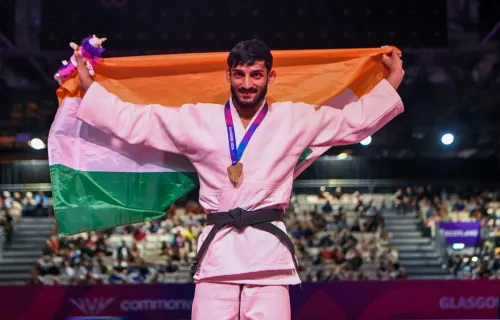
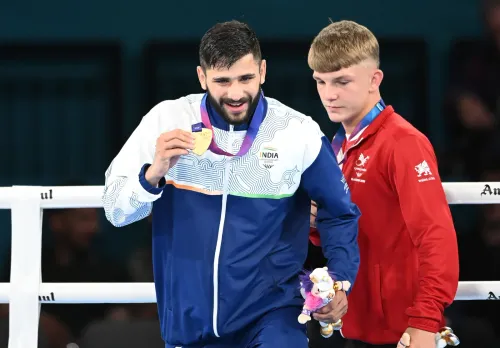
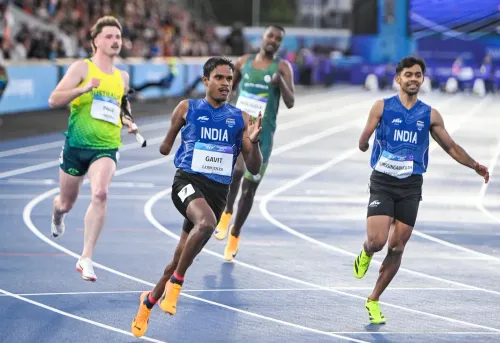
Perhaps the most significant shift visible in Glasgow 2026 was the spread of India's medal tally across multiple disciplines, rather than dependence on a handful of traditional strongholds. Young athletes announced themselves on the international stage, experienced campaigners delivered under pressure, and several competitors recorded personal-best performances.
This breadth is increasingly seen as the defining marker of a maturing sports nation — one where success is a collective outcome rather than the product of isolated individual talent.
Road to Los Angeles 2028
As focus shifts to the Asian Games and the Los Angeles 2028 Olympics, India's Glasgow performance offers a credible data point that sustained, structured investment in elite sport is producing consistent results. Officials and federations are expected to use the Glasgow campaign as a baseline for identifying gaps and doubling down on programmes that delivered.
For the athletes, the medals will remain the defining memory of Glasgow 2026. But behind every podium finish stood an extensive support network that quietly converted preparation into performance — reinforcing that India's sporting success is increasingly a collective national enterprise.
Point of View
For once, appeared to function as designed. The real test, however, is whether this coordination holds under the far greater pressure of an Olympic cycle. TOPS has faced criticism in the past for uneven fund disbursement and delayed approvals; those structural inefficiencies cannot afford to resurface ahead of LA 2028. The breadth of Glasgow's medal spread is encouraging, but breadth without depth — without a pipeline of athletes in the top eight globally across disciplines — will not translate at the Olympics. Glasgow is a proof of concept, not a destination.
NationPress
16 Sept 2026
Frequently Asked Questions
How many medals did India win at CWG 2026 in Glasgow?
India won 39 medals at the 2026 Commonwealth Games in Glasgow — comprising 13 gold, 17 silver, and 9 bronze . It was one of India's strongest Commonwealth Games performances in recent years.
What role did the Target Olympic Podium Scheme (TOPS) play at CWG 2026?
TOPS provided personalised financial and logistical support to medal contenders, including overseas training opportunities and access to elite coaches, sports scientists, and physiotherapists. The scheme is credited with helping several athletes compete on equal terms with the world's best in Glasgow.
How did the Indian Olympic Association contribute to the Glasgow campaign?
The IOA managed all operational aspects of India's participation in Glasgow — covering transportation, accommodation, accreditation, training schedules, and emergency assistance. Its coordination helped minimise distractions and allowed athletes to focus solely on competition.
What does India's CWG 2026 performance mean for the LA 2028 Olympics?
Officials and sports bodies are expected to use the Glasgow campaign as a benchmark for identifying strengths and gaps ahead of the Los Angeles 2028 Olympics . The breadth of India's medal tally across disciplines suggests the high-performance system is maturing, though Olympic competition demands a higher threshold of global competitiveness.
Which organisations supported India's preparation for Commonwealth Games 2026?
India's CWG 2026 campaign was supported by the Ministry of Youth Affairs and Sports , the Sports Authority of India (SAI) , the Target Olympic Podium Scheme (TOPS) , National Sports Federations (NSFs) , and the Indian Olympic Association (IOA) , all working in a coordinated framework.