FIH Hockey World Cup 2026: India's midfielders on what drives the engine room
Synopsis
Less than a month from the FIH Hockey World Cup 2026, India's midfielders are doing the unglamorous work that wins tournaments. Manpreet Singh is set to break a World Cup appearance record, the women's team arrives on the back of a Nations Cup title, and both squads are drilling the same fundamentals — pre-scanning, pressing triggers, and possession discipline — that separate contenders from champions.
Key Takeaways
The FIH Hockey World Cup 2026 is less than a month away, with men's and women's tournaments held simultaneously at the same venues for the first time.
Manpreet Singh is set to become India's most-capped player in FIH World Cup history during the tournament.
India's men's team is in Pool D alongside England , Pakistan and Wales .
India's women's team, fresh from winning the FIH Nations Cup , faces China , South Africa and England in Pool D .
Key midfield themes across both squads: pre-scanning, communication, pressing discipline and quick passing combinations.
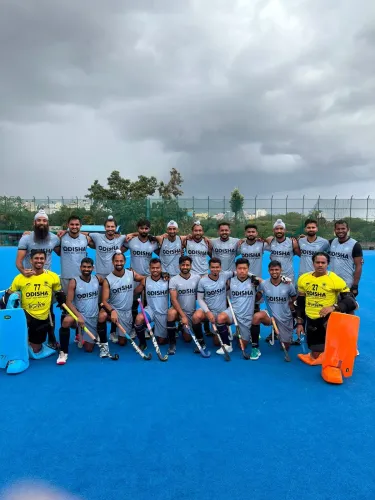
With the FIH Hockey World Cup 2026 less than a month away, India's men's and women's hockey teams are putting the finishing touches on their preparations, with midfielders across both squads emphasising communication, spatial awareness and split-second decision-making as the defining qualities of their craft.
The Midfielder's Mandate
While forwards draw attention for goals and defenders for clean sheets, midfielders remain the connective tissue of any high-performing hockey side — linking defence with attack, controlling possession and setting the tempo. As both Indian teams enter their final preparation phase, several playmakers have offered a candid look at what the role demands at the highest level.
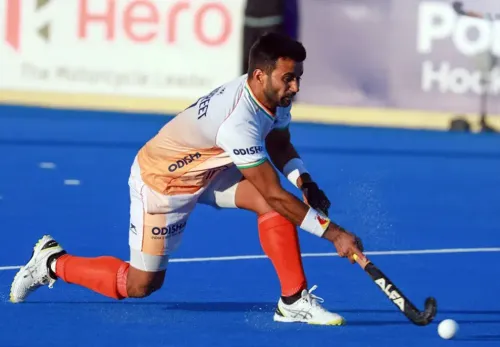
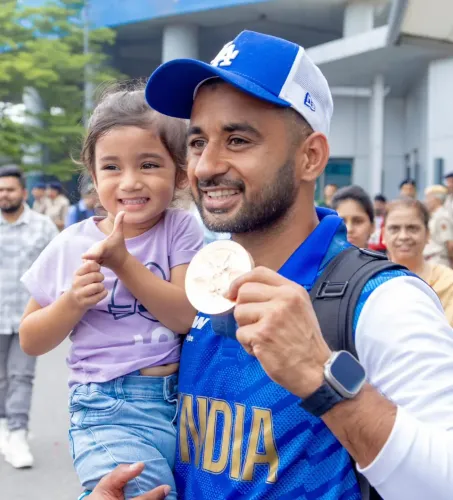
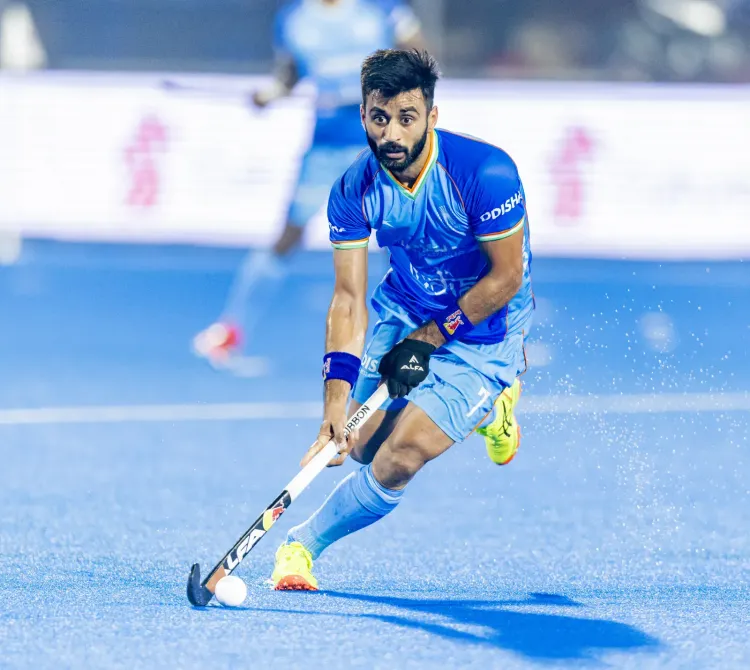
Veteran midfielder Manpreet Singh, who is set to become India's most-capped player in FIH World Cup history during this tournament, described the position as one of total involvement. 'As a midfielder, I believe my biggest responsibility is to connect the entire team. We are the link between defence and attack, so it's important to maintain the team's structure and rhythm throughout the game. Beyond passing and defending, I focus on creating space, supporting teammates, making quick decisions and ensuring we stay organised in every phase of play. A midfielder has to be involved in almost every moment of the game,' he said.
Pool D and the Road Ahead
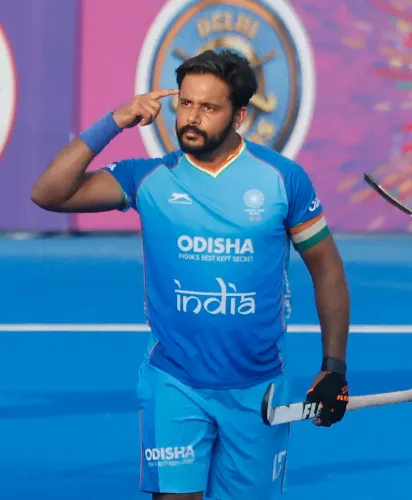
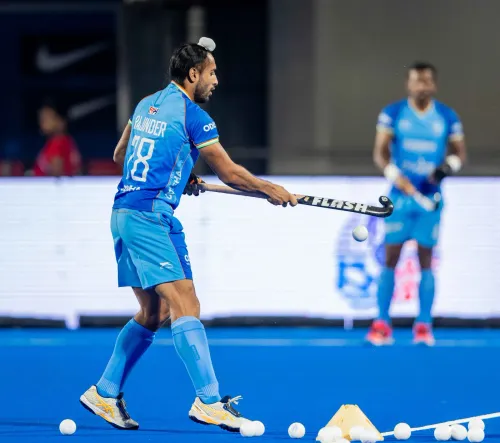
The Indian men's team has been drawn in Pool D alongside England, Pakistan and Wales, with Manpreet expected to orchestrate play from the centre of the park. His teammate Hardik Singh stressed that technical skill alone is insufficient in modern hockey — game intelligence matters just as much. 'Communication and awareness are extremely important for a midfielder because you need to keep the team balanced throughout the game. If you concede too many turnovers, you give the opposition more opportunities to take control. A midfielder has to understand when to join the attack, when to hold position, and recognise the right moments to support the forwards. These qualities develop with time and experience,' Hardik explained.
Women's Team: Chemistry and Pre-Scanning
This edition of the World Cup will mark the first time the men's and women's FIH World Cups are staged simultaneously at the same venues — a historic first for the sport. India's women's team, buoyed by its recent FIH Nations Cup triumph, has been placed in Pool D alongside China, South Africa and England.
Women's midfielder Neha outlined the detailed video and on-field work that goes into building coordination across the team's three lines. 'We need to build chemistry with both defenders and forwards. We regularly analyse video clips, and during training we focus heavily on eye contact, body position, and pre-scanning before receiving the ball, because these small details help us make better decisions during matches. During pressing, we need to know where to apply pressure, and when we have possession, pre-scanning helps us keep the game flowing,' she said.
Decision-Making Under Pressure
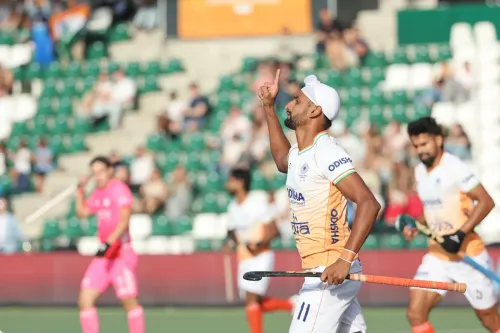
For Vivek Sagar Prasad, one of the sharpest minds in Indian hockey's midfield, the central challenge is reading each situation before acting. 'When I receive the ball, I first assess the situation before deciding my next move. I believe the ball always travels faster than the player. So whenever possible, I prefer quick passing combinations to move the play forward. In the attacking half, I am more willing to take risks, but in our own half, if I'm under pressure, I focus on protecting possession, earning a foul if needed and helping the team restart play,' Vivek said.
Women's midfielder Sakshi Rana added that composure under pressure is non-negotiable in congested midfield zones. 'When I receive the ball under pressure, my first thought is to stay calm. I try to scan the field before receiving the ball, so I already know where my teammates and opponents are. That helps me make quick decisions, whether it's passing, carrying the ball forward or switching the play,' she said.
What to Watch at the World Cup
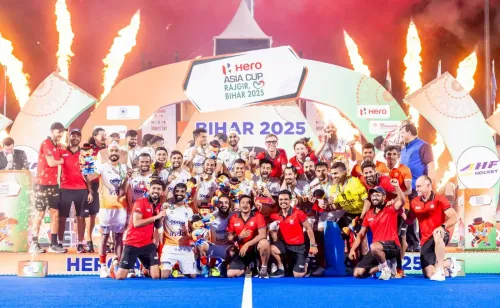
As both Indian squads finalise their preparations, the midfield's collective ability to maintain structure, press intelligently and recycle possession quickly will likely determine how far each team advances. With Manpreet Singh chasing a historic World Cup appearance record and the women's team riding the confidence of a Nations Cup title, India enters the tournament with genuine ambition on home hockey's biggest stage.
Point of View
But preparation narratives before major tournaments are rarely a reliable guide to performance. What stands out is the simultaneous staging of the men's and women's World Cups — a structural first that doubles the pressure on India's hockey ecosystem to deliver results on home soil. Manpreet Singh's record appearance is a compelling storyline, but the women's team, riding Nations Cup momentum, may carry the more realistic shot at a deep run. Whether the midfield's much-discussed 'awareness and communication' holds up against elite pressing from England or Pakistan will be the real test.
NationPress
27 Oct 2026
Frequently Asked Questions
When is the FIH Hockey World Cup 2026?
The FIH Hockey World Cup 2026 is less than a month away from 28 July 2026. It is the first edition where the men's and women's tournaments will be held simultaneously at the same venues.
Which pool is India's men's hockey team in at the 2026 World Cup?
India's men's hockey team has been drawn in Pool D alongside England, Pakistan and Wales. Manpreet Singh is expected to be a key figure in midfield for the team.
Which pool is India's women's hockey team in at the 2026 World Cup?
India's women's hockey team is in Pool D alongside China, South Africa and England. The team enters the tournament having recently won the FIH Nations Cup.
What record is Manpreet Singh set to break at the FIH World Cup 2026?
Manpreet Singh is set to become India's most-capped player in FIH World Cup history during the 2026 tournament. He is one of the senior leaders of the men's midfield unit.
What are India's midfielders focusing on ahead of the Hockey World Cup 2026?
India's midfielders — including Manpreet Singh, Hardik Singh, Vivek Sagar Prasad, Neha and Sakshi Rana — have highlighted communication, pre-scanning, pressing triggers and quick passing combinations as their key areas of focus in the final preparation phase.