FIH Hockey World Cup 2026: Mandeep, Abhishek, Lakra back chemistry and consistency to power India
Synopsis
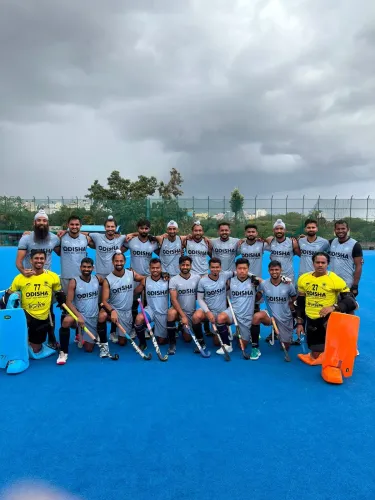
With the FIH Hockey World Cup 2026 just weeks away, India's forward trio of Mandeep Singh, Abhishek and Shilanand Lakra have laid out a blueprint that goes well beyond goal-scoring — pressing from the front, building circle chemistry, and staying composed under Pakistan-level pressure. Mandeep enters his fourth World Cup; Lakra steps into his first.
Key Takeaways
FIH Hockey World Cup 2026 runs from 15 to 30 August , jointly hosted by Belgium and the Netherlands .
India are in Pool D , opening against Wales on 15 August , then facing England and Pakistan .
Mandeep Singh will appear in his fourth FIH World Cup and has taken on a mentoring role for younger forwards.
Shilanand Lakra , 27 , is set for his maiden World Cup and credits Mandeep for guiding his development.
All three forwards stressed that strikers must function as the first line of defence , not just finishers.
Abhishek highlighted meditation and off-the-ball movement as core elements of his preparation for high-pressure situations.
Three of India's frontline forwards — Mandeep Singh, Abhishek, and Shilanand Lakra — have identified chemistry, consistency, and disciplined preparation as the pillars of India's attacking game plan ahead of the FIH Hockey World Cup 2026. Speaking on 31 July 2026 in New Delhi, the trio outlined how India's forward line is being shaped for the sport's biggest stage.
India's World Cup Campaign at a Glance
The FIH Hockey World Cup 2026 will be jointly hosted by Belgium and the Netherlands from 15 to 30 August. India have been placed in Pool D, where they open their campaign against Wales on 15 August before facing England and arch-rivals Pakistan.
Mandeep Singh: From Student to Mentor
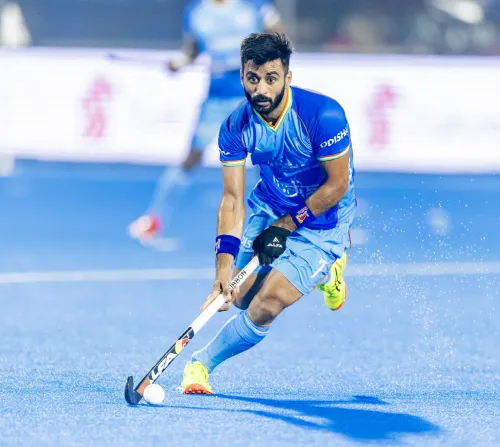
Mandeep Singh, set to appear in his fourth FIH World Cup, has evolved from a young forward absorbing advice from seniors to a dressing-room guide for the next generation. 'When I was younger, I used to ask a lot of questions to the senior players. I learnt a great deal from them, and now I try to pass on those experiences to the younger forwards. We talk about handling pressure, staying calm and making the right decisions in big matches,' he said.
On the team's attacking drills, Mandeep added, 'Our sessions as forwards are very specific. We spend a lot of time working inside the last nine yards, focusing on creating the right connections and making sure every attack has an outcome. We've also worked extensively on receiving the final pass and converting our chances.'
He also broadened the definition of a modern striker's role: 'A good striker is never just focused on scoring goals. Hockey is a team game, and the better your understanding and connection with your teammates, the more effective you'll be. Every time we enter the circle, our aim is to create an outcome, whether that's a goal, a shot on target or winning a penalty corner.'
Shilanand Lakra: World Cup Debutant Embracing the Learning Curve
Shilanand Lakra, 27, is preparing for his maiden FIH World Cup and has credited senior teammates — particularly Mandeep — for easing his transition into international hockey's highest pressure environment. 'Whenever I make a mistake, the senior players tell me where I can improve. Mandeep always motivates me and guides me. Those conversations help me keep learning and focus on getting better,' Lakra said.
The young forward echoed Mandeep's view on the expanded responsibilities of a forward: 'My focus is always on what I can do best for the team. Whether it's creating opportunities, scoring goals or making tackles, I try to contribute in every way I can. As a forward, it's not just about scoring anymore. We are the first line of defence, and if we defend well, we make life easier for our defenders and midfielders.'
Abhishek: Consistency Starts Without the Ball
Abhishek, one of India's most prolific forwards in recent seasons, stressed that reliable goal-scoring is built on off-the-ball discipline. 'For a striker, consistency starts without the ball. Off-the-ball movement and pressing are extremely important because the striker is the first line of defence. Once we win possession, the next step is building a connection with the other forwards, and then comes finishing the move, whether that's scoring a goal, getting a shot on target or winning a penalty corner,' he said.
Abhishek also pointed to the mental dimension of performing under World Cup pressure: 'Composure inside the circle comes from training. Without putting in the hard work during practice, you can't expect to make the right decisions in those situations. We also work on the mental side through meditation and experience. The more you play, the calmer you become when those opportunities come your way.'
What This Means for India's World Cup Prospects
India's forward line blends experience — Mandeep's four World Cups — with emerging talent in Lakra and the clinical instincts of Abhishek. The emphasis on defensive pressing from the front, penalty-corner creation, and collective circle entries signals a structured, system-first approach rather than individual flair. With Pakistan among Pool D opponents, the mental composure the trio described will face its earliest and stiffest test.
Point of View
But Lakra's debut under that kind of pressure is the variable no training drill can fully replicate. If the trio's stated composure translates on 15 August against Wales, India could enter the knockout rounds with genuine momentum rather than managed expectations.
NationPress
15 Sept 2026
Frequently Asked Questions
When does India play at the FIH Hockey World Cup 2026?
India open their FIH Hockey World Cup 2026 campaign on 15 August against Wales in Pool D. They subsequently face England and arch-rivals Pakistan in the group stage. The tournament runs from 15 to 30 August, co-hosted by Belgium and the Netherlands.
How many World Cups has Mandeep Singh played in?
Mandeep Singh is set to appear in his fourth FIH Hockey World Cup in 2026, making him one of India's most experienced forwards at the tournament. He has taken on a mentoring role, guiding younger players like Shilanand Lakra on handling pressure in big matches.
Who is Shilanand Lakra and why is he significant for India?
Shilanand Lakra is a 27-year-old Indian forward who will make his maiden FIH Hockey World Cup appearance in 2026. He has credited senior players, especially Mandeep Singh, for helping him adapt to international hockey's demands, and has emphasised that his role extends to defensive pressing and chance creation, not just goal-scoring.
What is India's tactical approach in attack for the 2026 World Cup?
India's forwards have outlined a system-first approach — prioritising off-the-ball pressing, inside-the-circle connections, and creating outcomes such as penalty corners and shots on target, not just goals. Abhishek has also highlighted meditation and mental conditioning as key components of preparation for high-pressure situations.
Which group is India in at the FIH Hockey World Cup 2026?
India are placed in Pool D at the FIH Hockey World Cup 2026, alongside Wales, England, and Pakistan. Their opening match is against Wales on 15 August, the same day the tournament begins.