IPL 2026 catching crisis: 77.9% efficiency, DC worst at 65.4%
Synopsis
IPL 2026 is producing the most athletic fielding displays in the tournament's history — and some of its worst catching numbers. With a 77.9% efficiency rate, 153 drops in 59 matches, and six franchises below the 80% threshold, the data reveals a paradox: fitter, faster players are dropping more catchable chances than ever, and it is costing teams matches.
Key Takeaways
IPL 2026 catching efficiency stands at 77.9 per cent after 59 matches , with 153 catches dropped out of 694 chances , per CricViz .
Delhi Capitals are the worst-performing side at 65.4 per cent , having dropped 19 of 36 chances.
Kolkata Knight Riders lead with 87.5 per cent efficiency — 56 held, 8 dropped in 10 matches .
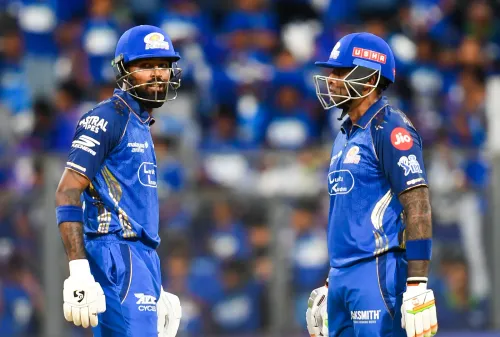
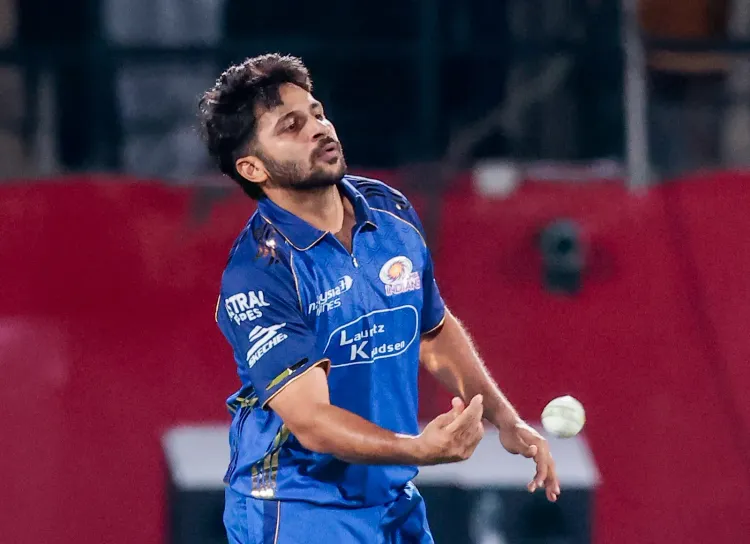
Naman Dhir (Mumbai Indians) has cost his team 27 runs through 8 drops — the highest individual damage in 2026.
Shashank Singh (Punjab Kings) has dropped 6 catches — all rated easy or medium — at a 14.3 per cent catch efficiency.
Rishabh Pant leads in runs saved with 26 ; Lucknow Super Giants top the team runs-saved chart at 133 .
IPL 2026 has exposed a sharp and widening gap between athletic brilliance and catching reliability, with fielding sides holding just 541 catches and dropping 153 across 59 matches — a catching efficiency of 77.9 per cent, according to CricViz data. Six of the ten franchises are operating below the 80 per cent threshold, raising serious concerns as the tournament heads into its business end.
The Scale of the Problem
Delhi Capitals sit at the bottom of the catching table with an efficiency of just 65.4 per cent — the worst in the competition — having squandered 19 of 36 chances. Sunrisers Hyderabad have dropped the most catches outright — 24 — though their efficiency of 72.7 per cent is marginally better than DC's. At the opposite end, Kolkata Knight Riders lead the standings with 56 catches held and just 8 dropped, posting a healthy 87.5 per cent efficiency across 10 matches, conceding only one difficult drop all season.
Rajasthan Royals (83.8 per cent), Lucknow Super Giants (82.5 per cent), Gujarat Titans (82 per cent), and Royal Challengers Bengaluru (81.6 per cent) round out the teams demonstrating what a disciplined fielding unit can achieve.
Individual Standouts and Struggles
Punjab Kings captain Shreyas Iyer produced one of the catches of the tournament — a breathtaking mid-air relay against Mumbai Indians to dismiss Hardik Pandya, tossing the ball back to teammate Xavier Bartlett before crossing the boundary rope. Yet his team's efficiency stands at just 73.5 per cent, with teammate Shashank Singh dropping six catches this season — including three in a single innings against Lucknow Super Giants. Crucially, according to Cricket-21 data, none of Shashank's drops were classified as difficult; all were rated easy or medium, leaving his catch efficiency at a near-indefensible 14.3 per cent. His drops have cost Punjab Kings an estimated 22 runs.
Naman Dhir of Mumbai Indians leads the damage chart among individual fielders, with eight drops costing his side 27 runs — the highest by any fielder in IPL 2026. On the positive side, Jos Buttler leads all catchers with 17 catches, while Jitesh Sharma stands out for efficiency with 12 catches at 92.3 per cent. Rishabh Pant has saved 26 runs, making him the most valuable fielder on either side this season.
The Numbers Behind the Decline
According to CricViz data since 2020, total catches in the IPL have grown from 459 in 2020 to a peak of 645 in 2024, reflecting more high-scoring matches. Catching efficiency peaked at 81.5 per cent in 2023, but has since declined — falling to 75 per cent in 2025 and now 77.9 per cent in 2026. Drops have risen sharply, from 129 in 2020 to 207 in 2025, with IPL 2026 on pace to match that figure.
Sunrisers Hyderabad have leaked 128 runs through fielding lapses — the worst of any franchise — saving only 57, a net deficit of 71 runs. In a format where winning margins can be as thin as 10 to 15 runs, that figure is not an abstraction. By contrast, Lucknow Super Giants, despite sitting at the bottom of the points table, lead all franchises in runs saved at 133. Chennai Super Kings have missed the most run-out opportunities — 16, the highest for any side.
What Coaches Say
A senior fielding coach who has worked at the highest level, speaking on the condition of anonymity, pointed to a culture problem. 'There are many reasons behind it: number one, hard hands. Number two, they don't get under the ball. Instead, they try to reach out to the ball. Number three, they want to make it a little glamorous. I haven't seen someone running, nicely pausing, and taking a catch,' the coach said. 'Instead, someone has run and made a slide and taken the catch. But what I can see is, the easy catch, they make it look difficult and glamorous, and that's maybe one reason why so many dropped catches are happening on the field.'
The same coach flagged the role of practice culture: 'Whatever is there has to be caught; it's simple. One doesn't have to think too much. It should be treated like a routine — waking up in the morning, taking a bath, and having breakfast. It should be deeply embedded in the routine of all players so that those chances aren't missed.'
A second fielding coach, a regular in the cricketing circuit, cited fatigue and logistics as compounding factors. 'Everyone's talking about dropped catches, and rightly so, as fielding decides the outcome of games. But sometimes we forget that constant travel and the high pressure of playing matches are always around,' the coach said. He also noted that match-specific conditions — including new LED lights installed in Jaipur — had taken time for Rajasthan Royals fielders to adjust to, and questioned whether best fielders were consistently deployed in the high-probability catching zones on match days.
What It Means for Bowlers
The ones bearing the heaviest cost are the bowlers. In a tournament where 200-plus totals are now routine and the Impact Sub rule has tilted the balance further toward batters, a single dropped catch can extend a partnership by 30 to 40 runs and flip a game within two overs. The athleticism of IPL 2026's players is not in question — the data and the highlight reels confirm it. The older, simpler question is whether, when the ball arrives, players hold it. Heading into the knockout phase, too many teams have not yet found a reliable answer.
Point of View
Not just a bad run of luck. The coaching quotes are telling: when senior coaches describe players making easy catches look glamorous as a root cause, the problem is cultural, not physical. The Impact Sub rule has already tilted the game toward batters; poor catching tilts it further. Teams that cannot hold their chances in the knockout rounds will not just lose matches — they will lose them in the most avoidable way possible.
NationPress
22 Sept 2026
Frequently Asked Questions
What is the catching efficiency in IPL 2026?
IPL 2026's overall catching efficiency stands at 77.9 per cent after 59 matches, with fielding sides holding 541 catches and dropping 153, according to CricViz data. Six of the ten franchises are operating below the 80 per cent threshold.
Which IPL 2026 team has the worst catching record?
Delhi Capitals have the worst catching efficiency in IPL 2026 at 65.4 per cent, having dropped 19 of 36 chances. Sunrisers Hyderabad have dropped the most catches in absolute terms — 24 — at a 72.7 per cent efficiency rate.
Which team leads IPL 2026 in fielding and catching?
Kolkata Knight Riders lead with an 87.5 per cent catching efficiency, holding 56 catches and dropping just 8 in 10 matches. Lucknow Super Giants top the runs-saved chart with 133 runs saved through fielding this season.
Why are so many catches being dropped in IPL 2026?
Senior fielding coaches, speaking anonymously, attribute the problem to hard hands, not getting under the ball, and a tendency to make simple catches look spectacular. Constant travel, fatigue, high match pressure, and inadequate replication of match conditions in practice have also been cited as contributing factors.
Who are the best and worst individual fielders in IPL 2026?
Jos Buttler leads all catchers with 17 catches, while Jitesh Sharma has the best efficiency at 92.3 per cent (12 catches). Rishabh Pant leads in runs saved with 26. At the other end, Naman Dhir's 8 drops have cost Mumbai Indians 27 runs, the highest individual fielding cost in IPL 2026, while Shashank Singh's 6 drops — all rated easy or medium — leave him with a 14.3 per cent catch efficiency.