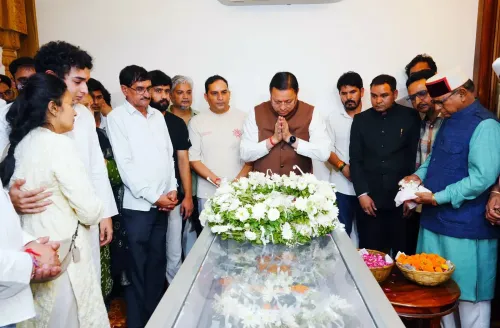
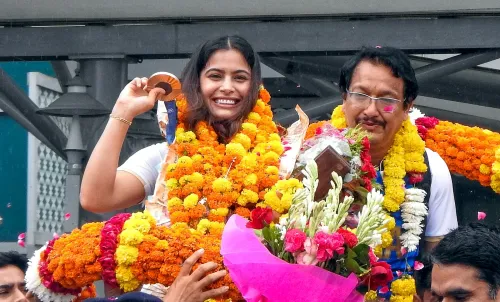
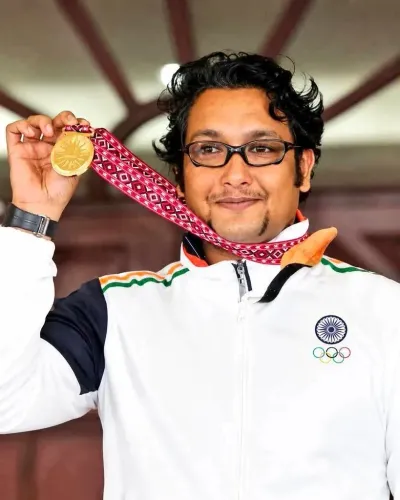
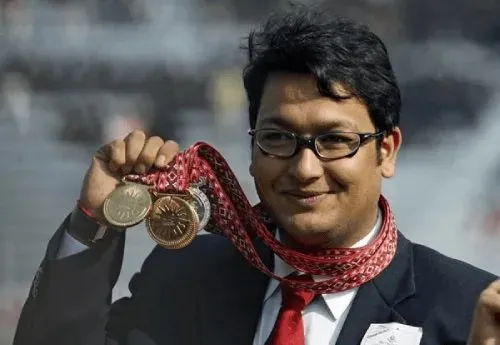
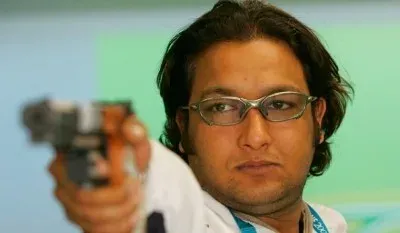
Jaspal Rana, India's shooting legend and Manu Bhaker's mentor, passes away
Synopsis
Jaspal Rana — the marksman who told Manu Bhaker she 'can do much better' after an Olympic medal performance — has died. His passing removes one of Indian shooting's most uncompromising voices: a coach who demanded excellence, refused credit, and never stayed silent when the system needed fixing.
Key Takeaways
Jaspal Rana , one of India's greatest shooters and most influential coaches, passed away on Friday, 12 June .
He was widely credited as a key figure behind Manu Bhaker's bronze medal at the Paris Olympics .
At the Paris Games, Rana watched Bhaker's event notebook in hand, and responded to her medal with: 'Speak to Manu, she earned this day.' He was known for publicly challenging National Rifle Association of India (NRAI) officials when he believed the sport's interests were at stake.
His pre-Paris Olympics interview went viral for its unsparing assessment of what Indian shooting needed to consistently medal at global events.
India's shooting fraternity is in mourning following the death of Jaspal Rana, one of the country's greatest competitive shooters and most consequential coaching figures, who passed away on Friday, 12 June. Rana's career spanned decades — first as a fearless marksman who pursued the 10-ring with relentless focus, and later as a mentor whose influence shaped a generation of Indian champions.
The Coach Behind the Champion
In recent years, Rana became widely recognised as a central force behind the rise of Manu Bhaker, whose Olympic medal-winning performances at the Paris Olympics brought unprecedented attention to Indian shooting. His role in nurturing Bhaker's talent and instilling a culture of high standards extended his legacy well beyond his own competitive achievements on the range.
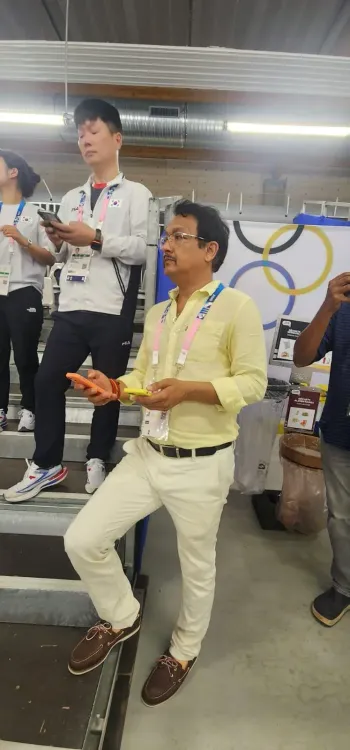
Those who observed Rana at close quarters during the Paris Olympics witnessed the discipline that defined him. During Bhaker's event, he stood quietly behind the firing line — notebook in hand, tracking every shot with total concentration. His expression revealed a coach focused entirely on performance, not occasion.
When asked how he assessed Bhaker's display, his reply was characteristically blunt: 'Can do much better.' There was no room for complacency, even after a strong outing. Later, when Bhaker secured her historic bronze medal and reporters sought his reaction, Rana deflected the spotlight entirely. 'Speak to Manu, she earned this day,' he said, before walking away. In those few words lay the essence of the man — demanding excellence from athletes while refusing to claim credit for their success.
A Voice That Never Stayed Silent
Rana was equally known for his willingness to publicly name shortcomings in Indian shooting's administrative structure. He believed problems should be addressed openly, regardless of who was responsible. Even when it involved top officials of the National Rifle Association of India (NRAI), he never hesitated to express his views. For him, silence was never an option when the future of the sport was at stake.
Ahead of the Paris Olympics, an interview with Rana gained wide circulation. The reason was straightforward: he spoke with conviction about the systemic changes India needed to consistently win medals in shooting. There was no diplomatic hedging — only an uncompromising desire to see Indian shooters succeed on the biggest stage.
Athlete, Mentor, Institution
As a competitor, Rana pursued excellence without compromise. As a coach, he pushed athletes to unlock potential they did not know they possessed. As a stakeholder in Indian shooting, he demanded accountability and higher standards from everyone in the system. The spirit of giving everything to the sport — what those close to him described as a kuch kar dikhane ka jazba — was visible in everything he did.
Beyond the range, Rana maintained a valued relationship with journalists who covered the sport. He was consistently willing to explain complex rules, scoring formats, and evolving points systems, helping reporters communicate the nuances of shooting to a wider public. His accessibility made him a trusted source and a respected figure in sports media circles.
The Void He Leaves Behind
His passing leaves a gap that Indian shooting will find difficult to fill. The sport has lost one of its most articulate ambassadors; athletes have lost a demanding and devoted mentor; and sports journalism has lost a knowledgeable guide who never spoke in half-measures.
Jaspal Rana's legacy, however, endures — in the champions he helped create, in the medals won by shooters he inspired, and in the fearless honesty with which he served a sport he loved. For a man who believed in hitting the 10-ring and staying locked on the target, his impact on Indian shooting will remain right at the centre for years to come.
Point of View
Including Manu Bhaker's Paris bronze, is in part a product of the culture he built and the standards he refused to lower. The harder question now is whether the institutions he challenged will honour his legacy by adopting the accountability he demanded, or whether his passing simply removes the loudest inconvenient voice in the room.
NationPress
23 Sept 2026
Frequently Asked Questions
Who was Jaspal Rana?
Jaspal Rana was one of India's most celebrated competitive shooters and a highly influential shooting coach. He gained renewed national recognition as a key mentor behind Manu Bhaker's Olympic medal-winning performances at the Paris Olympics.
When did Jaspal Rana pass away?
Jaspal Rana passed away on Friday, 12 June. His death was mourned widely across India's shooting fraternity and the broader sporting community.
What was Jaspal Rana's role in Manu Bhaker's Paris Olympics success?
Rana served as a key coaching figure for Manu Bhaker ahead of and during the Paris Olympics, where Bhaker won a historic bronze medal. Observers at the Games noted his intense focus during her events — he stood behind the firing line with a notebook, tracking every shot. After her medal, he deflected all credit, saying 'Speak to Manu, she earned this day.'
Why was Jaspal Rana considered a reformer in Indian shooting?
Rana was known for publicly challenging administrative decisions and calling out shortcomings in Indian shooting's governance, including those involving top officials of the National Rifle Association of India (NRAI). He believed problems had to be addressed openly, and never chose silence when he felt the sport's future was at stake.
What is Jaspal Rana's lasting legacy?
His legacy spans three dimensions: as a champion marksman who pursued excellence on the range, as a mentor who shaped medal-winning athletes including Manu Bhaker, and as a fearless advocate who held Indian shooting's institutions to higher standards. His influence is expected to endure through the shooters he trained and the culture of accountability he championed.