ICC Chairman Jay Shah Sends Best Wishes Ahead of T20 World Cup Final Between India and New Zealand
Synopsis
As India and New Zealand gear up for a thrilling T20 World Cup final, ICC Chairman Jay Shah expresses his best wishes to both teams. This edition of the tournament has seen record-breaking viewership and intense competition.
Key Takeaways
ICC Chairman Jay Shah wishes both teams luck before the final.
The T20 World Cup 2026 has achieved unprecedented viewership.
Record streaming numbers were reached during critical matches.
The competition has showcased both established and emerging cricketing nations.
The final promises to be a thrilling event with significant global interest.
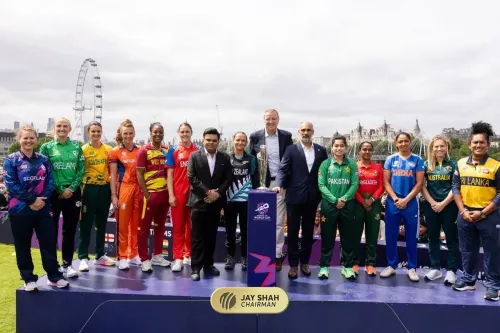
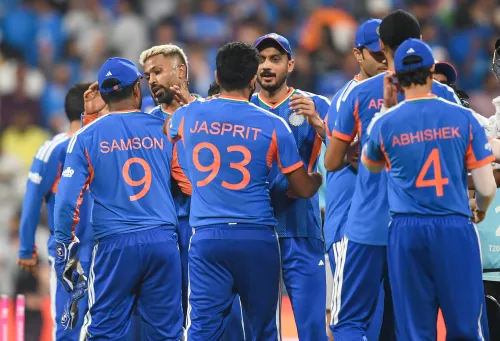
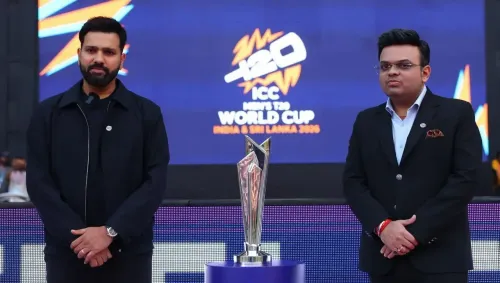
New Delhi, March 8 (NationPress) As cricketing powerhouses India and New Zealand prepare to face each other in the T20 World Cup final at the Narendra Modi Stadium, ICC Chairman Jay Shah has conveyed his heartfelt wishes to both teams ahead of this much-anticipated showdown.
The ICC Men’s T20 World Cup 2026 has set a remarkable milestone, emerging as the most-viewed edition in the tournament's history, with viewership in India surpassing 500 million—marking the highest ever for any T20 World Cup.
“This has been a record-setting #T20WorldCup filled with highlights, including impressive performances from our associate nations. Now, it's time to extend my best wishes to India and New Zealand for the final, which will take place in front of a massive audience, with millions tuning in,” Shah posted on X.
The ICC’s streaming platform, catering to fans in emerging markets, achieved a new record for concurrent streams during the Super 8 match between India and the West Indies, exceeding the previous peak set during the ICC Men's T20 World Cup 2024 final.
On social media, the ICC has amassed over 10 billion video views and is on track to surpass the 16 billion views recorded in 2024.
Additionally, the second semifinal match between India and England witnessed an unprecedented peak of 65.2 million concurrent viewers on JioHotstar, the highest for any live event globally.
In terms of competition, the 2026 edition has showcased intense matches and thrilling comebacks. The group stage included 20 teams divided into four groups of five, with the top two from each group advancing to the Super Eights.
Traditional giants like Australia and Pakistan faced early challenges, while rising teams like Zimbabwe and Nepal delivered spirited performances, highlighting the expanding talent pool in global T20 cricket.
The Super Eights stage heightened the competition further. The eight qualifying teams—India, Sri Lanka, West Indies, South Africa, England, New Zealand, Zimbabwe, and Pakistan—were split into two groups of four, with only the top two from each group moving on to the semifinals. Many matches were closely contested, and net run rate played a crucial role in determining the final standings.
Point of View
The ICC T20 World Cup 2026 has significantly elevated the status of T20 cricket globally. The remarkable viewership numbers and the thrilling matches showcase the sport's growing popularity, especially in emerging cricketing nations. The final between India and New Zealand promises to be a historic event, reflecting the competitive spirit of the game.
NationPress
24 Sept 2026
Frequently Asked Questions
What is the significance of the T20 World Cup final?
The T20 World Cup final represents the pinnacle of T20 cricket, showcasing the top teams competing for the championship title, with massive global viewership.
How many viewers tuned in for the T20 World Cup 2026?
Viewership in India alone exceeded 500 million, making it the highest ever for a T20 World Cup edition.
What records were set during the ICC T20 World Cup 2026?
The tournament saw record-breaking viewership and concurrent streaming numbers, particularly during key matches.
Which teams are competing in the final?
The final will feature cricketing giants India and New Zealand.
What was the peak viewership for the semifinal matches?
The semifinal between India and England reached a peak of 65.2 million concurrent viewers on JioHotstar.