Virat Kohli keeps cricket alive, says ex-umpire Anil Chaudhary
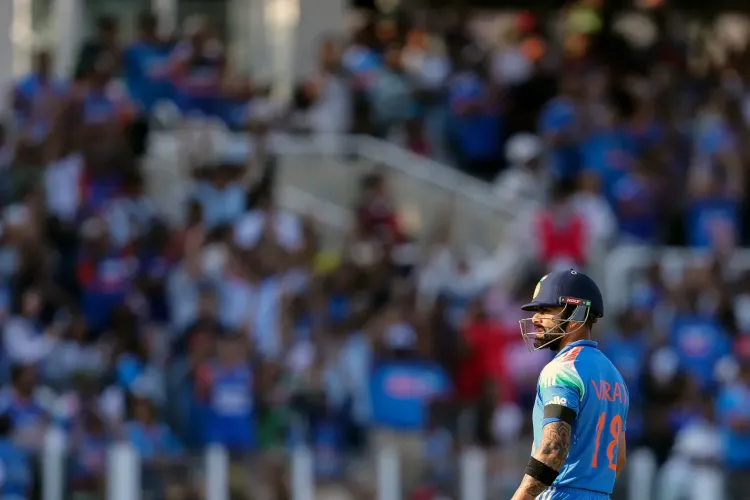
Synopsis
A former international umpire who officiated Kohli since childhood says the star's aggression has never been about malice — it's what makes cricket watchable. Chaudhary also predicts a formal warning-and-penalty system for non-striker run-outs within two years, signalling that cricket's rulebook may be on the verge of a significant change.
Key Takeaways
Former umpire Anil Chaudhary says Virat Kohli's on-field aggression is driven by competitive spirit, not malice, and is essential to cricket's appeal.
Chaudhary has officiated Kohli's matches since childhood and described the batter as respectful between overs despite his fiery demeanour.
Kohli last played in India's 2-1 ODI series loss to England and is next set to feature against the West Indies in September .
Chaudhary defended non-striker run-outs as fair and predicted a warning-and-run-penalty system could be introduced within one to two years .
Aakash Chopra recalled a humorous exchange where Virender Sehwag told umpire Steve Bucknor to retire during an Australian tour.
Umesh Yadav admitted to using cheeky banter to unsettle umpires during high-pressure matches.
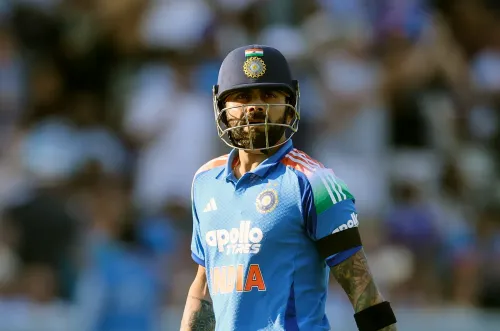
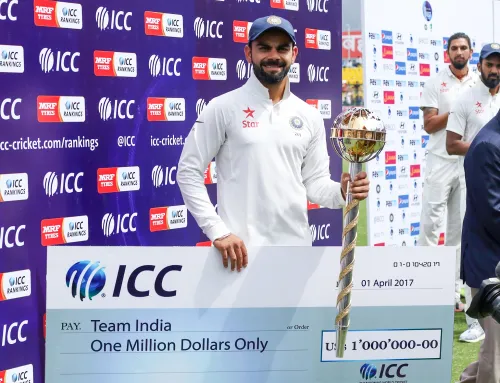
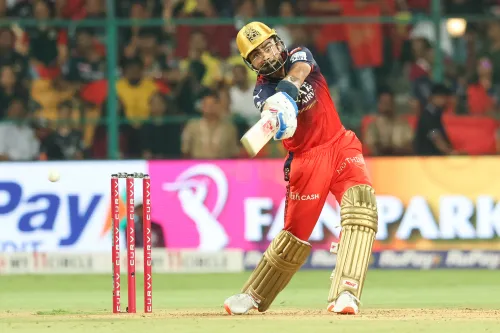
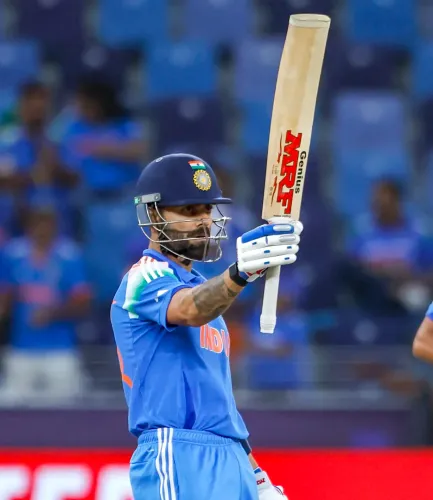
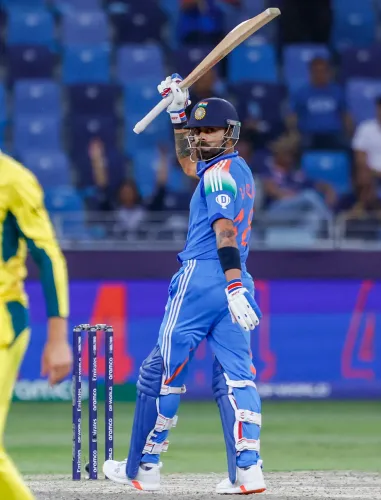
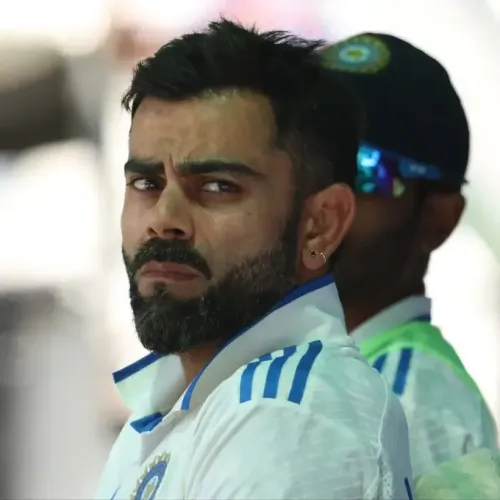
Former international umpire Anil Chaudhary has said that high-voltage personalities like Virat Kohli are essential to keeping cricket compelling, adding that the star batter's on-field aggression stems entirely from competitive instinct and carries no personal malice. Chaudhary made the remarks in an interview on JioHotstar, drawing on years of officiating Kohli's matches from his junior days.
Chaudhary on Kohli's Aggression
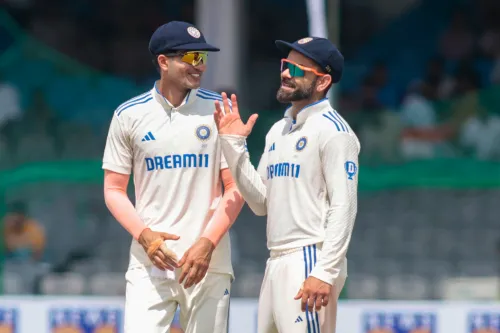
Chaudhary, who has known Kohli since the batter's early cricket days, offered an insider's perspective on what drives the former India captain's fiery temperament. 'He doesn't have any malice. He reacts aggressively sometimes, but if you're right, he'll give you a thumbs up too. Between overs, he'll come over and put a hand around your waist. But he is lively throughout. Players like him should be there; otherwise, the game will get boring,' Chaudhary said.
Kohli, who recently featured in India's 2-1 ODI series loss to England, is next scheduled to play during the series against the West Indies in September. His continued presence in high-stakes cricket makes the debate around his temperament especially relevant.
Northern Aggression and the IPL Flashpoints
Reflecting on fiery on-field exchanges in the Indian Premier League (IPL) — including the widely discussed heated altercation between Kohli and Gautam Gambhir in 2013 — Chaudhary argued that aggression is intrinsic to northern Indian cricketers and adds a distinct flavour to the game, provided it stays within limits.
'I knew something like that would happen because all of them from the North play with aggression. I have played local cricket too, and our players have always played like this. If they don't play with that aggression, their performances won't come out as well. The flavour of the game won't be there if you put too many restrictions on the players. But there's a limit, and it shouldn't be crossed,' he said.
Mankading Debate: A Penalty System May Be Coming
Chaudhary also weighed in on the ongoing controversy surrounding run-outs at the non-striker's end — commonly referred to as 'Mankading' — defending the mode of dismissal while predicting that cricket authorities could introduce a structured warning-and-penalty mechanism within the next year or two.
'The dismissal is fair in cricket. The batter at the non-striker's end is running so far ahead that the advantage he gets is that he has only a few more steps to cover to reach the other end, which is unfair. I think very soon, in a year or two, a rule will come in with a warning system — one warning, two warnings, and then a run penalty. Because it's unfair. Many times, on the last ball, the non-striker starts running early, and the striker does the same. So, what's left for the bowler?' Chaudhary explained.
Sehwag, Bucknor and Dressing-Room Banter
Former India opener Aakash Chopra added colour to the discussion with a humorous anecdote from an Australian tour involving Virender Sehwag and veteran umpire Steve Bucknor. According to Chopra, Sehwag — acting as a messenger for Sachin Tendulkar's grievances — bluntly told Bucknor at square leg: 'Steve, you can't hear, you can't see, you should retire.' When Chopra warned Sehwag that the umpire could give him out, Sehwag reportedly replied: 'He's giving Tendulkar wrong decisions anyway. If he's going to keep giving wrong decisions, what's the difference? At least let me speak my mind!'
Umesh Yadav on Playing Mind Games with Umpires
Veteran fast bowler Umesh Yadav admitted to indulging in tongue-in-cheek banter to unsettle umpires during tense match situations. 'Normally, when you're playing and you feel the umpire is doing something intentionally, you also end up doing a few things intentionally, just to annoy the umpire! Sometimes, when you're bowling and the batter says something to you unnecessarily, you'll say, 'Sir, can't you see? Do you want to wear glasses?' So, you end up doing those cheeky kinds of things,' Yadav said.
Taken together, the candid exchanges offer a rare window into the culture of competitive banter that runs beneath the surface of professional cricket — and why, according to Chaudhary, characters like Kohli remain irreplaceable to the sport's appeal.
Point of View
Not a bug, of elite competition. More substantively, his prediction of a structured non-striker penalty system deserves attention: cricket's governing bodies have long ducked a clean rule on backing-up, and a warning mechanism would be a pragmatic middle ground. The Sehwag-Bucknor anecdote, meanwhile, is a reminder that player-umpire friction is as old as the game itself — and that the line between banter and dissent has always been policed inconsistently.
NationPress
17 Sept 2026
Frequently Asked Questions
What did ex-umpire Anil Chaudhary say about Virat Kohli's aggression?
Chaudhary said Kohli's on-field aggression is driven purely by competitive spirit and carries no personal malice. Having officiated Kohli's matches since his junior days, Chaudhary described him as respectful between overs and argued that players of his temperament are vital to keeping cricket entertaining.
When will Virat Kohli next play for India?
Kohli is next scheduled to play during India's series against the West Indies in September. He most recently featured in India's 2-1 ODI series loss to England.
What did Anil Chaudhary say about the non-striker run-out rule?
Chaudhary defended the non-striker run-out as a fair mode of dismissal, arguing that batters who back up too far gain an unfair advantage. He predicted that cricket authorities could introduce a warning-and-run-penalty system within one to two years to formally address the issue.
What was the Virender Sehwag and Steve Bucknor story?
Former India opener Aakash Chopra recalled an Australian tour incident where Sehwag, relaying Sachin Tendulkar's frustrations, told veteran umpire Steve Bucknor at square leg that he should retire because he 'can't hear' and 'can't see.' When warned he could be given out, Sehwag reportedly said Bucknor was already giving Tendulkar wrong decisions, so it made no difference.
What did Umesh Yadav reveal about player-umpire banter?
Umesh Yadav admitted to using cheeky, tongue-in-cheek remarks to unsettle umpires during tense match situations, describing it as a retaliatory tactic when he felt an umpire was being deliberately unhelpful. He framed such exchanges as a common, if rarely discussed, part of professional cricket.