Ladakh Sports Policy 2026: ₹1 crore rewards, monthly scholarships for athletes
Synopsis
Ladakh has moved from ad hoc rewards to a structured, tiered sports funding system — monthly scholarships of up to ₹1 lakh and one-time bonuses of up to ₹1 crore, with para-sport and high-altitude mountaineering explicitly covered. For a Union Territory that has long produced talent without matching financial infrastructure, this policy could be a genuine inflection point.
Key Takeaways
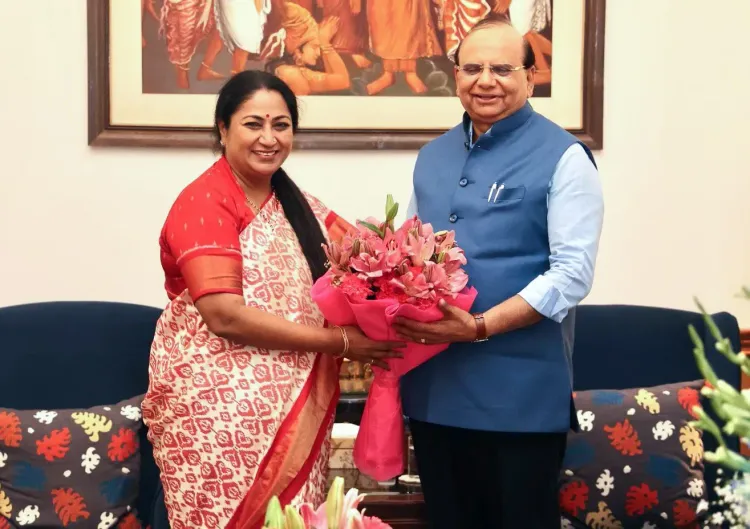
Saxena approved the Ladakh Sports Policy 2026 on 1 August 2025 in Leh .
International gold medallists will receive ₹1 lakh per month ; national gold medallists ₹75,000 per month ; state-level gold medallists ₹10,000 per month under a 12-month scholarship scheme.
One-time cash bonuses range from ₹5 lakh to ₹1 crore for medal winners at recognised events, in addition to monthly scholarships.
Ladakhi mountaineers summiting peaks above 8,000 metres will receive a one-time award of ₹10 lakh .
Dedicated awards introduced for Paralympic , Para Asian Games , Para Commonwealth Games , and Special Olympics athletes.
Policy finalised after two months of stakeholder consultations with athletes and families.
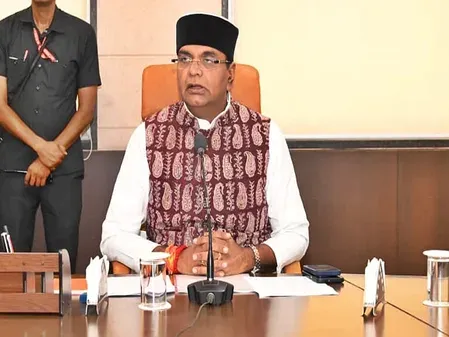
Ladakh Lieutenant Governor V.K. Saxena on 1 August 2025 approved the Ladakh Sports Policy 2026, a structured roadmap offering monthly scholarships, one-time cash bonuses of up to ₹1 crore, and long-term financial backing for athletes across the Union Territory. The policy marks the most comprehensive sporting intervention Ladakh has undertaken and aims to position the region as a credible nursery for national and international sporting talent.
Key Features of the Policy
Built around the motto 'Scout, Facilitate and Recognise', the policy is designed to identify talent at the grassroots, support athletes through training and competition, and reward podium finishes at every level. It aligns with Prime Minister Narendra Modi's broader sporting agenda, including the Khelo India programme.
A central pillar is the introduction of 12-month rolling scholarships for medal winners in recognised international, national, state-level, National School Games, and Khelo India competitions. Under the scheme, international gold medallists will receive ₹1 lakh per month, national gold medallists ₹75,000 per month, and state-level gold medallists ₹10,000 per month. Silver and bronze medallists receive proportionally adjusted amounts. Notably, athletes who progress to higher competition tiers automatically qualify for enhanced scholarship brackets without forfeiting existing support.
One-Time Cash Bonuses and Adventure Sports
Alongside monthly scholarships, the administration has announced one-time cash awards ranging from ₹5 lakh to ₹1 crore for medal winners at recognised sporting events — payable in addition to, not instead of, the scholarships. Adventure sports, central to Ladakh's identity, have been explicitly included: mountaineers from Ladakh who summit peaks above 8,000 metres anywhere in the world will receive a one-time cash award of ₹10 lakh.
The policy also introduces dedicated cash awards for athletes competing at the Paralympic Games, Para Asian Games, Para Commonwealth Games, national para sports championships, and competitions for visually impaired, hearing-impaired, and Special Olympics athletes — a recognition that para-sport has historically been underfunded at the territorial level.
What the Administration Said
Lieutenant Governor Saxena described the policy as a demonstration of the administration's long-term commitment to building a strong sports culture in Ladakh. 'Young athletes should be able to pursue sports as a career without worrying about money,' he said. He added that every medal won by a sportsperson from Ladakh is 'a source of pride for the nation' and reaffirmed that talented athletes and their families would no longer face financial hardship in the pursuit of sporting excellence.
Officials confirmed that the policy was finalised after two months of stakeholder consultations, during which athletes and families flagged the financial burden of training and competing at higher levels as a primary barrier.
Background and Broader Context
Ladakh, carved out as a Union Territory in 2019, has produced athletes in disciplines ranging from archery and wrestling to high-altitude mountaineering, but systemic financial support has lagged behind other states and UTs. This policy attempts to close that gap structurally, moving beyond ad hoc rewards to a predictable, tiered support system. This comes amid a broader national push to improve India's medal tally at the 2028 Los Angeles Olympics and beyond, with several states and UTs overhauling sports funding frameworks in recent years.
With guidelines now approved, the administration is expected to notify implementing agencies and begin scholarship disbursements in the coming weeks.
Point of View
However, will be implementation speed: Ladakh's administrative bandwidth as a relatively young Union Territory is limited, and scholarship schemes elsewhere in India have suffered from delayed disbursements that erode athlete trust. If the administration can demonstrate timely, transparent payouts in the first cycle, the policy could genuinely shift Ladakh's sporting trajectory.
NationPress
15 Sept 2026
Frequently Asked Questions
What is the Ladakh Sports Policy 2026?
The Ladakh Sports Policy 2026 is a comprehensive sports funding framework approved by Lieutenant Governor V.K. Saxena on 1 August 2025. It offers 12-month monthly scholarships, one-time cash bonuses of up to ₹1 crore, and special awards for para-sport and mountaineering athletes from Ladakh.
How much will international gold medallists receive under the new policy?
International gold medallists from Ladakh will receive ₹1 lakh per month under the 12-month scholarship scheme. They are also eligible for separate one-time cash bonuses of up to ₹1 crore, which are paid in addition to the monthly scholarship.
Are para-sport athletes covered under the Ladakh Sports Policy 2026?
Yes. The policy includes dedicated cash awards for athletes competing at the Paralympic Games, Para Asian Games, Para Commonwealth Games, national para sports championships, and events for visually impaired, hearing-impaired, and Special Olympics athletes.
What do Ladakhi mountaineers receive under the new policy?
Mountaineers from Ladakh who successfully summit peaks above 8,000 metres anywhere in the world are eligible for a one-time cash award of ₹10 lakh under the adventure sports provision of the policy.
How was the Ladakh Sports Policy 2026 developed?
The policy was finalised after approximately two months of stakeholder consultations, during which athletes and their families highlighted financial barriers to training and competing at higher levels. It follows Prime Minister Narendra Modi's Khelo India framework and is built around the motto 'Scout, Facilitate and Recognise'.