Lord's and Gaddafi Stadium handed ICC demerit points for 'Unsatisfactory' pitches
Synopsis
Two of cricket's most iconic venues — Lord's and Lahore's Gaddafi Stadium — have been formally penalised by the ICC after their pitches were rated 'Unsatisfactory'. Lord's produced 33 wickets in two days; Lahore's surface suffocated ODI batting. Both boards have 14 days to appeal, and both are now on notice.
Key Takeaways
The ICC issued one demerit point each to Lord's and Gaddafi Stadium, Lahore on 9 June .
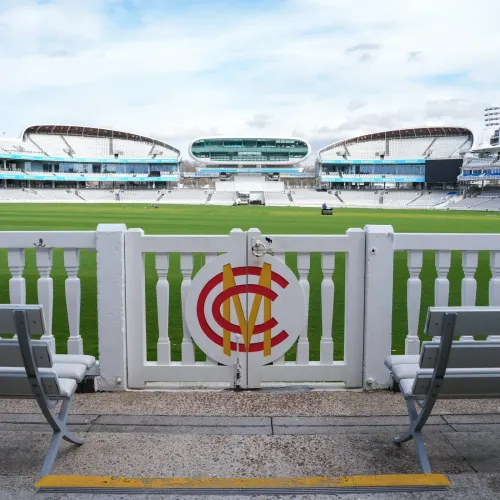
Lord's was penalised for excessive seam movement and variable bounce — 33 wickets fell in the first two days of the England vs New Zealand Test.
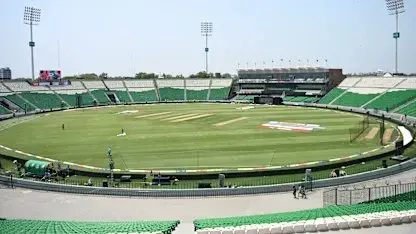
Gaddafi Stadium was rated 'Unsatisfactory' for a slow, low surface that aided spin from the outset in the Pakistan vs Australia ODI.
Neither venue had any prior demerit points; no immediate sanctions apply at this stage.
The ECB and PCB each have 14 days to appeal the ICC's findings.
Under ICC rules, accumulated demerit points over a five-year rolling period can lead to suspension from hosting international cricket.
The International Cricket Council (ICC) has issued one demerit point each to Lord's Cricket Ground in London and the Gaddafi Stadium in Lahore after match referees rated the pitches used in recent international fixtures as 'Unsatisfactory' under the ICC Pitch and Outfield Monitoring Process. The sanctions were confirmed on 9 June, with neither venue having any prior demerit points on record.
The assessments follow two separate international fixtures: the opening Test of the ICC World Test Championship 2025-27 cycle between England and New Zealand at Lord's, and the third ODI between Pakistan and Australia at the Gaddafi Stadium. Reports have been forwarded to the England and Wales Cricket Board (ECB) and the Pakistan Cricket Board (PCB), both of which have 14 days to appeal.
What Happened at Lord's
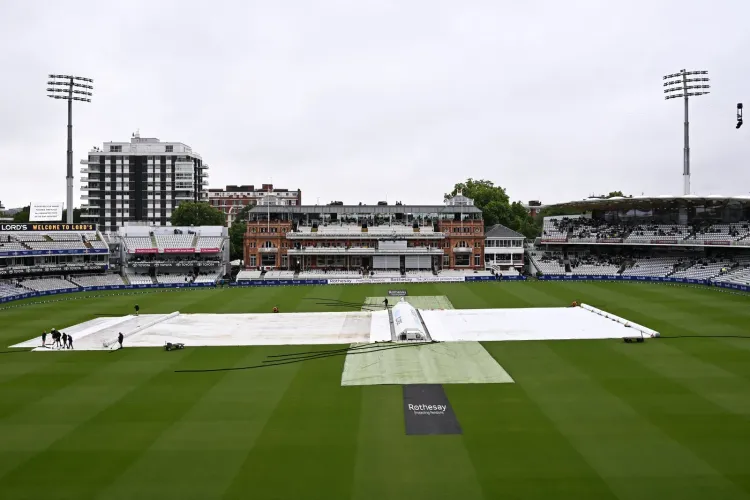
The Lord's pitch drew criticism for offering excessive assistance to bowlers throughout the Test, which concluded inside four days despite significant rain interruptions on the third day. The surface produced a striking 33 wickets across the opening two days alone — 16 on Day One and 17 on Day Two — a rate of attrition that alarmed officials.
Match referee Andy Pycroft explained the rationale: 'There was plenty of excessive seam movement throughout the Test, and the ball also kept extremely low on several occasions. The bounce was variable throughout as 16 wickets fell on the first day and 17 on the second. There was simply an over-balance in favour of ball against bat caused by the pitch,' he said.
What Went Wrong in Lahore
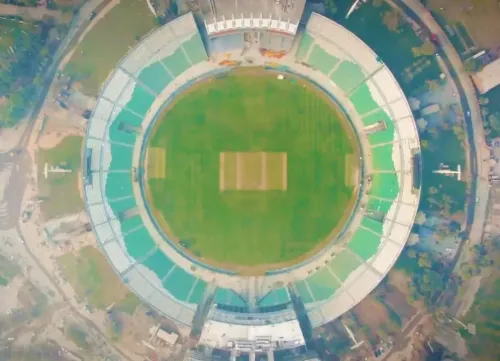
The Gaddafi Stadium surface was flagged for the opposite reason — not excessive seam movement, but a slow, low pitch that made scoring runs in a 50-over contest extremely difficult. The third ODI between Pakistan and Australia became a low-scoring match, with batters from both sides struggling to score freely as the surface offered early and sustained assistance to spin.
Match referee Graeme La Brooy noted in his report: 'The pitch was slow and low and made scoring runs very difficult. It did not suit a One Day International game as batters had to spend more time to settle in. It helped spin very early in the match and continued the same way throughout.'
How the ICC Demerit System Works
Under the ICC Pitch and Outfield Monitoring Process, venues accumulate demerit points for below-standard playing surfaces. Grounds that accrue multiple demerit points within a rolling five-year period can face escalating sanctions, up to and including suspension from hosting international cricket.
Notably, a single demerit point does not trigger any immediate penalty. However, the ratings function as a formal warning — and a public signal — that both boards must address surface preparation standards ahead of future international fixtures.
What Happens Next
Neither Lord's nor the Gaddafi Stadium faces an immediate ban or suspension at this stage. The ECB and PCB each have a 14-day window to contest the findings. Should either board choose not to appeal, the demerit points will stand and be monitored over the five-year rolling period. Both venues will be under heightened scrutiny the next time they host ICC-sanctioned matches.
Point of View
Meanwhile, exposed the tendency of home boards to prepare pitches that neutralise opposition strengths rather than produce competitive cricket. The ICC's demerit system is deliberately graduated, but its deterrent value depends on boards taking first-point warnings seriously. History suggests they often do not until sanctions become concrete.
NationPress
23 Oct 2026
Frequently Asked Questions
Why did the ICC give demerit points to Lord's and Gaddafi Stadium?
The ICC rated the pitches at both venues as 'Unsatisfactory' under its Pitch and Outfield Monitoring Process. Lord's was penalised for excessive seam movement and variable bounce during the England vs New Zealand Test, while Gaddafi Stadium was flagged for a slow, low surface that made scoring extremely difficult in the Pakistan vs Australia ODI.
How does the ICC demerit point system work?
Under the ICC Pitch and Outfield Monitoring Process, venues receive demerit points when match referees rate playing surfaces below standard. Grounds that accumulate multiple demerit points within a rolling five-year period face escalating sanctions, including potential suspension from hosting international cricket.
Will Lord's or Gaddafi Stadium be banned from hosting international cricket?
No immediate ban applies. Both venues received their first-ever demerit point, and a single point does not trigger suspension. The points will be monitored over a five-year rolling period, and further below-standard ratings could lead to more serious consequences.
Can the ECB and PCB appeal the ICC's decision?
Yes. Both the England and Wales Cricket Board and the Pakistan Cricket Board have 14 days from the date of notification to formally appeal the demerit points assigned to their respective venues.
What made the Lord's pitch so controversial in the England vs New Zealand Test?
Match referee Andy Pycroft noted excessive seam movement, extremely low bounce on several occasions, and highly variable bounce throughout the Test. A total of 33 wickets fell in just the first two days — 16 on Day One and 17 on Day Two — reflecting a severe imbalance in favour of bowlers over batters.