McDonald urges ICC to expand 2027 ODI World Cup squads to 17 players
Synopsis
Australia coach Andrew McDonald wants the ICC to expand 2027 ODI World Cup squads from 15 to 17 players — and the math backs him. With finalists now facing up to 15 matches, ageing pace stocks in Cummins, Hazlewood, and Starc, and a brutal 21-Test build-up, the margin for injury error is razor-thin. The ICC has yet to respond.
Key Takeaways
Andrew McDonald has urged the ICC to raise the squad limit from 15 to 17 players for the 2027 Men's ODI World Cup .
The 2027 edition , co-hosted by South Africa , Zimbabwe , and Namibia , introduces a new 'Super 7' stage , pushing finalists to a minimum of 13 matches and up to 15 .
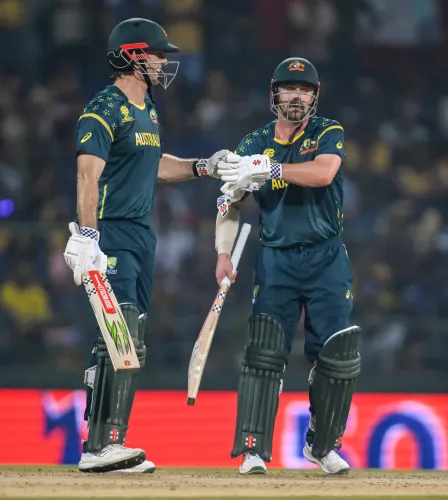
Travis Head missed Australia's first 5 matches of the 2023 World Cup due to a broken hand; McDonald cited this as a key example of why larger squads are needed.
Australia faces up to 21 Test matches in the 14 months before the tournament, including five-Test tours of India and England .
Pace trio Pat Cummins , Josh Hazlewood , and Mitchell Starc are all past 30 with significant injury histories, making roster depth critical.
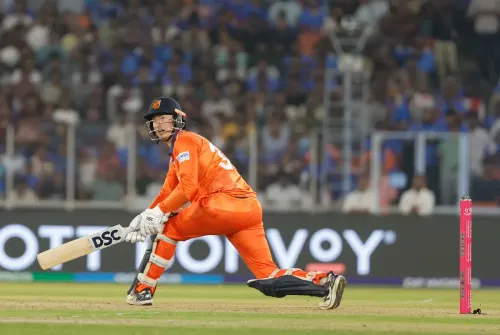
McDonald also raised concerns that Associate nations have been 'penalised' by the new format despite growth in white-ball cricket.
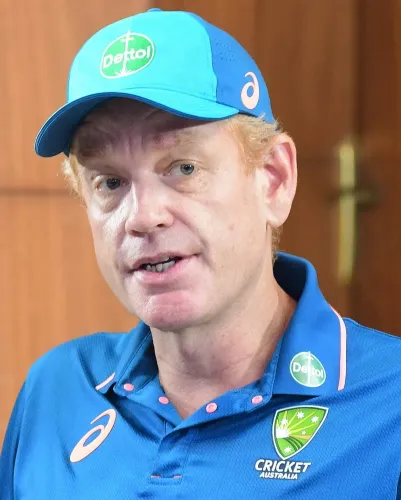
Australia head coach Andrew McDonald has called on the International Cricket Council (ICC) to raise the squad ceiling to 17 players for the 2027 Men's ODI World Cup, warning that the tournament's expanded format risks becoming a war of attrition if teams are capped at the current 15-player limit. McDonald made his case in an interview with SEN Radio, citing injury-management challenges Australia faced at the 2023 World Cup in India.
The New Format and Its Demands
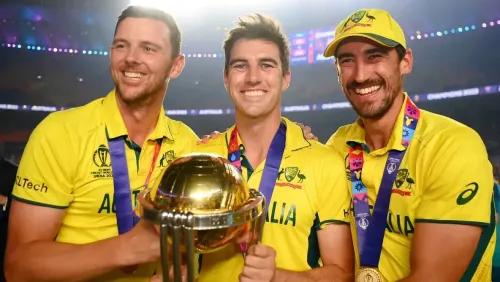
Earlier in July 2025, the ICC unveiled a revamped structure for the 2027 edition, to be co-hosted by South Africa, Zimbabwe, and Namibia. The tournament retains 14 teams but introduces a new 'Super 7' stage ahead of the semi-finals. Under this layout, finalists will play a minimum of 13 matches — up from 11 in 2023 — with the possibility of competing in as many as 15 games, depending on their qualification route.
McDonald argued that this increased workload makes a compelling case for larger rosters. 'One of the big things from my perspective is if it's going to be your pinnacle event, what do your squad sizes look like?' he said.
The Travis Head Problem — and the Broader Injury Risk
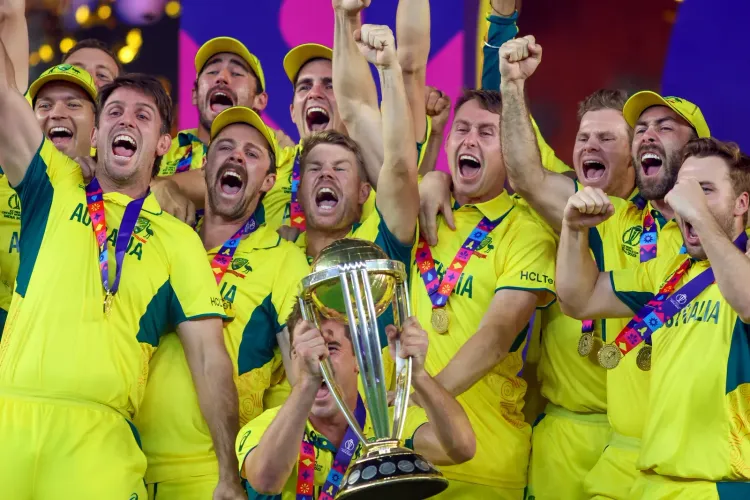
Travis Head was the most high-profile casualty of Australia's 2023 campaign, missing the first five matches after suffering a broken hand. He returned for the league game in Dharamshala and went on to score a match-winning century in the final against India in Ahmedabad. McDonald noted that New Zealand faced a similar predicament, with Kane Williamson and others sidelined, leaving both sides effectively selecting from 12-13 fit players in the early rounds.
'You end up with sort of 12-13 players to select from early on in your tournament, and you're trying to carry those other players through the early rounds, and you're not able to play potentially the way that you want to play,' McDonald said.
Australia's Scheduling Crunch Adds Urgency
Australia's concerns are sharpened by a punishing lead-up schedule. The side is set to play up to 21 Test matches in the 14 months preceding the tournament, including demanding five-Test tours of both India and England. Key pace bowlers Pat Cummins, Josh Hazlewood, and Mitchell Starc — all past 30 and carrying significant injury histories — make squad depth a strategic necessity rather than a luxury.
'The cricket leading into the World Cup is demanding. So you're going to have some people that potentially are 50-50 at that point in time. So let's carry the best players in there,' McDonald said.
Concerns Over Associate Nations
McDonald also raised reservations about the format's impact on Associate nations, suggesting they had been 'penalised a little bit' by the new structure despite notable growth in white-ball cricket. He acknowledged there had been an expectation — or at least a direction from the ICC — that the 2027 edition would feature greater Associate participation, building on the momentum seen in the T20 World Cup landscape.
'I think there was a direction potentially from the ICC that there was going to be more Associate nations at this 50-over World Cup, which we've seen the growth of the Associate nations within the T20 landscape, which I think has been beneficial for cricket,' he said.
What Happens Next
The ICC has not yet responded publicly to McDonald's proposal. With the 2027 World Cup still roughly two years away, squad-size regulations are likely to be finalised as part of the broader tournament playing conditions process. Whether other national coaches echo McDonald's call could determine whether the ICC revisits the current limit before the event.
Point of View
Not radical — and the ICC would be wise to take it seriously. The expanded format hands broadcasters more marquee matches but quietly shifts injury risk onto teams, particularly those with ageing pace attacks. Australia's situation is acute, but this is a structural problem for every squad: the ICC cannot simultaneously lengthen the tournament and hold squad sizes flat. The Associate nations point is the sharper, less-reported critique — if the 2027 format actually reduces their competitive exposure relative to what was signalled, the ICC's 'growth of the game' narrative takes a credibility hit.
NationPress
28 Oct 2026
Frequently Asked Questions
Why is Andrew McDonald pushing for 17-player squads at the 2027 ODI World Cup?
McDonald argues that the 2027 World Cup's expanded format — which could see finalists play up to 15 matches — makes a 15-player squad too thin to absorb injuries. He pointed to Australia's 2023 experience, when Travis Head's broken hand left the side effectively choosing from 12-13 fit players in the early rounds.
What is the new format for the 2027 Men's ODI World Cup?
The ICC announced a revised structure for the 2027 edition, co-hosted by South Africa, Zimbabwe, and Namibia, that retains 14 teams but adds a new 'Super 7' stage before the semi-finals. Finalists will play at least 13 matches, up from 11 in 2023, with a maximum of 15 games possible depending on qualification routes.
How does Australia's pre-tournament schedule affect the squad size debate?
Australia is set to play up to 21 Test matches in the 14 months before the 2027 World Cup, including five-Test tours of India and England. With key fast bowlers Pat Cummins, Josh Hazlewood, and Mitchell Starc all past 30 and carrying injury histories, McDonald says squad flexibility is essential to ensure the best players are available.
What did McDonald say about Associate nations and the 2027 format?
McDonald suggested Associate nations had been 'penalised a little bit' by the new structure, noting there had been an expectation of greater Associate participation in the 2027 edition. He said the growth of Associate cricket in the T20 format had been beneficial for the sport and implied the 50-over format should reflect that trend.
Has the ICC responded to McDonald's proposal on squad sizes?
The ICC has not publicly responded to McDonald's call for 17-player squads. Squad regulations are expected to be finalised as part of the tournament's playing conditions process, with the 2027 World Cup approximately two years away.