IPL founder Modi dismisses TV rating decline as 'measurement flaw', cites 1.06B digital viewers
Synopsis
IPL founder Lalit Modi reframed the viewership debate entirely: TV ratings are a relic, not a reality check. With 1.06 billion cumulative digital viewers already logged before playoffs and connected TV concurrency up 61%, Modi argues the IPL hasn't lost its audience—it's upgraded its screens. The real story is advertiser demand, not TV AMA.
Key Takeaways
Lalit Modi rejected falling IPL TV rating narratives on 10 May , citing platform migration rather than audience loss.
IPL's cumulative digital audience reached 1.06 billion viewers during 2026 season before playoffs.
Connected television concurrency surged 61 percent year-on-year ; opening-weekend watch time grew 26 percent .
125 new brands joined the IPL's digital advertising ecosystem this season.
Modi called for a standardized digital measurement framework comparable to BARC for Indian sports broadcasting.
Projected combined watch time for IPL 2026 : 850–900 billion minutes .
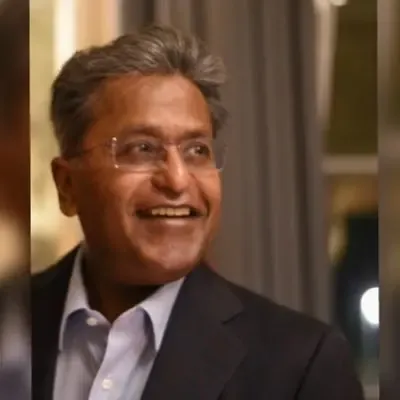
Lalit Modi, founder of the Indian Premier League, on 10 May rejected the narrative of declining IPL viewership, arguing that traditional television ratings fail to capture the tournament's expansion across digital platforms. Speaking exclusively, Modi contended that the audience has not abandoned the IPL but migrated to streaming, mobile, and connected television ecosystems as global sports consumption patterns shift.
"The mistake many analysts make is treating IPL like it's still a pure television property. It is not. The IPL has turned into a multi-screen, multi-platform entertainment ecosystem," Modi said. He compared the fixation on TV metrics to "measuring the internet through newspaper circulation."
The measurement gap
Modi identified Average Minute Audience (AMA) on linear television as the sole metric driving headlines about viewership decline. He argued this represents only one component of a vastly larger consumption ecosystem. Connected television concurrency, he noted, had surged 61 percent year-on-year, while opening-weekend watch time grew 26 percent. The IPL's cumulative audience across all platforms during the 2026 season had already exceeded 1.06 billion viewers before the playoffs commenced.
Why advertisers are pivoting
Modi underscored that advertisers now prioritize digital platforms because they offer granular audience intelligence unavailable through traditional television. "Television can tell you a household watched. Digital can tell you who watched, how long, on what device, whether they interacted, and if they made a purchase," he explained. This shift is reflected in 125 new brands joining the IPL's digital advertising ecosystem this season, with connected television ad pricing continuing to climb.
Global context and India's edge
Modi drew parallels with the National Football League, National Basketball Association, Premier League, and Olympic Games, all of which are experiencing similar digital migration. However, he contended that India's mobile-first digital infrastructure has accelerated this transition in the IPL uniquely. "No sporting league in the world has seen this kind of transition," Modi asserted, attributing this partly to India's population scale but emphasizing that availability alone does not guarantee consumption.
Redefining success metrics
Modi proposed that modern sports success should be measured by cumulative reach, total watch time, engagement depth, concurrency, advertiser demand, and cross-platform influence—not single-screen television ratings. By these standards, he projected the IPL's combined watch time for 2026 at 850–900 billion minutes, characterizing this as "extraordinary." He also called for the creation of a standardized digital measurement framework comparable to BARC (Broadcast Audience Research Council) for television, arguing that such a system is "overdue" for Indian sports broadcasting.
The broader narrative
Modi's comments arrive amid persistent media focus on IPL television rating fluctuations, a narrative he attributes to incomplete data interpretation. He maintained that the IPL's core audience remains intact, having simply redistributed across platforms in alignment with broader entertainment consumption trends. The tournament, he concluded, has evolved into "a digital entertainment ecosystem, a mobile-first phenomenon, and one of the largest real-time engagement platforms in the world."
Point of View
Digital consumption is fragmenting traditional TV metrics globally. But India's TV ecosystem remains central to mass sports viewership—cable and satellite still reach 400+ million households. Conflating 'audience migration' with 'audience expansion' masks a real question: are younger, urban, mobile-first viewers truly replacing the mass terrestrial audience, or are they additive? The 1.06 billion figure is cumulative, not concurrent. And 'watch time' is not the same as 'engagement' or 'revenue per viewer.' Modi is right that TV-only metrics are obsolete. He's less transparent about whether the IPL's total addressable market—and advertiser willingness to pay—has actually grown or simply redistributed.
NationPress
24 Sept 2026
Frequently Asked Questions
What is Lalit Modi's main argument about IPL viewership?
Modi argues the IPL's audience has not declined but migrated across digital platforms—streaming, mobile, and connected television—as global sports consumption patterns shift. He contends that measuring the IPL solely by traditional television ratings is outdated and misses the larger digital ecosystem the tournament has become.
What are the IPL's cumulative digital viewership numbers for 2026?
The IPL reached 1.06 billion cumulative viewers across all platforms during the 2026 season before the playoffs began, according to Modi. He also projected combined watch time for the full season at 850–900 billion minutes.
Why are advertisers increasingly choosing digital platforms over television for IPL?
Digital platforms provide granular audience intelligence—who watched, duration, device type, interaction level, and purchase behavior—that traditional television cannot deliver. This season, 125 new brands joined the IPL's digital advertising ecosystem, and connected television ad prices have continued to rise.
What measurement system does Modi recommend for Indian sports broadcasting?
Modi called for the creation of a standardized digital measurement framework comparable to BARC (Broadcast Audience Research Council), which currently measures television viewership. He argued such a system is essential for accurate audience profiling and viewing habit analysis in Indian sports.
How does the IPL's digital shift compare to other global sports leagues?
Modi noted that the National Football League, National Basketball Association, Premier League, and Olympic Games are all experiencing similar digital migration. However, he contended that India's mobile-first digital infrastructure has accelerated this transition uniquely for the IPL.