Morkel admits India's white-ball cricket outside India has fallen short
Synopsis
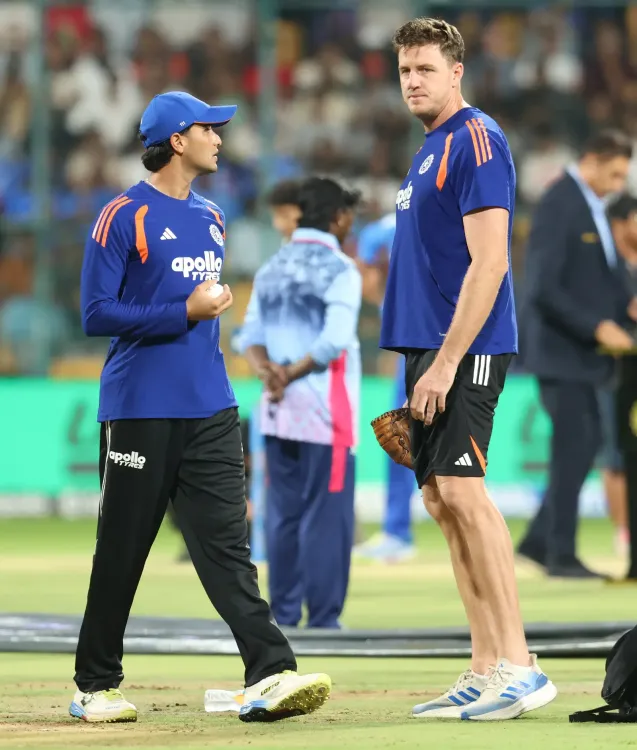
India's bowling coach Morne Morkel hasn't minced words — the team has underperformed in white-ball cricket outside India, with England still a sore point. As the New Zealand ODI series unfolds in Wellington, Morkel's candid admission signals that this tour is being treated as a reckoning, with individualised bowling plans and sharp condition-reading at the heart of India's attempt to change the script.
Key Takeaways
Morne Morkel admitted India have 'not played the best of white-ball cricket outside India', citing performances in England as a reference point.
The New Zealand ODI series was identified early as a major tour requiring extensive planning and preparation.
Morkel praised India's bowlers for adapting to New Zealand's ground dimensions and conditions during the series opener.
The coaching staff uses an individual-based approach to bowling preparation rather than a uniform team plan.
Morkel paid tribute to Mohammed Shami on his Test retirement, crediting him with helping Morkel settle into the Indian dressing room.
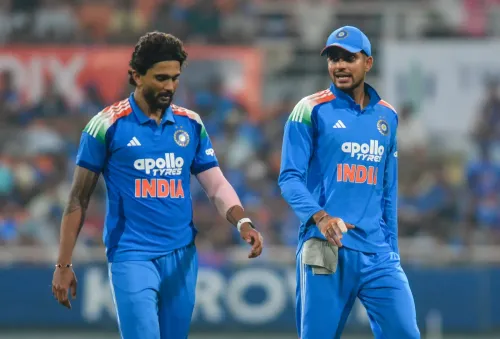
India bowling coach Morne Morkel has acknowledged that the team has not consistently delivered its best white-ball cricket on overseas tours and stressed that the ongoing New Zealand ODI series represents a critical opportunity to change that narrative. Speaking ahead of the second ODI in Wellington on Saturday, Morkel said the tour had been earmarked as a significant challenge well in advance, with extensive planning and preparation underpinning India's approach.
Morkel's candid assessment of overseas struggles
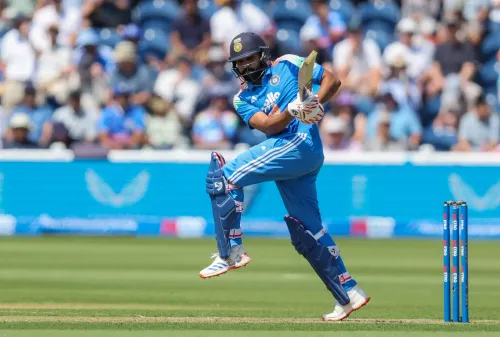
The bowling coach pointed specifically to India's performances in England as a benchmark of where the team had fallen short in white-ball cricket away from home. He made clear that the squad had entered this tour with a deliberate intent to make a statement.
'Our communication to this group has been clear for a long time. We obviously identified this as a big tour. We haven't played the best of white-ball cricket outside India. I think back to England. So we put a big stamp on it on not really coming on this tour and playing a good brand of cricket,' Morkel told broadcasters before the second ODI.
He also flagged the conditions on the day as an additional variable, noting the potentially wet underfoot surface at Wellington and describing it as 'a nice challenge for the boys'.
Adapting to New Zealand's conditions
Morkel was encouraged by how India's bowlers read and responded to New Zealand's distinctive ground dimensions and surface conditions during the first ODI. He noted that the size and shape of grounds in New Zealand often dictate the lines and lengths a bowler must hit, requiring rapid adaptation after the toss.
'The boys reacted to the conditions. It's quite a rush, after the toss again to get ourselves going. But for me, just sort of, just taking the dimensions out, and the guys just executed the plan quite well, which is pretty good. I think over here in New Zealand, sometimes the fields will tell you what to bowl, but still you need to get the ball in the right areas,' he said.
Individual-focused bowling preparations
Rather than a one-size-fits-all team briefing, Morkel revealed that his preferred approach is rooted in individual conversations with each bowler. While a group session helps establish what the conditions can be expected to offer, the real preparation happens in one-on-one interactions at training and warm-ups.
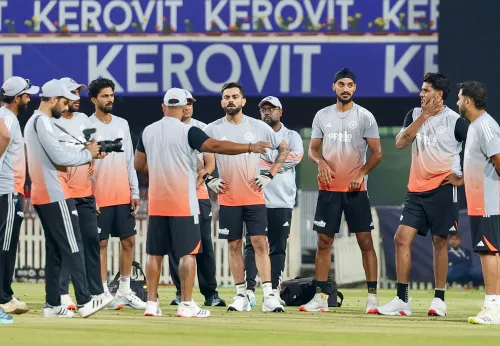
'I try to keep it more individual sort of based. We'll have a group sit down in terms of what we potentially can expect. But all our guys are differently skilled. So for me it's more tapping into those guys individually at training and warm-ups, and then sort of just a quick chat. They are all skillful. They know their game, they know how to go about their things, it's just aligning all those small little things,' Morkel explained.
This philosophy reflects a broader trend in modern cricket coaching, where personalised skill alignment has increasingly replaced generic team plans — particularly in white-ball formats where match situations evolve rapidly.
Morkel pays tribute to Mohammed Shami
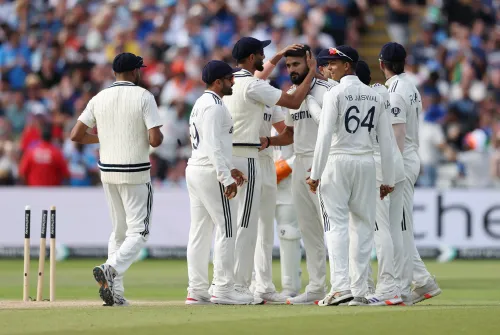
Morkel also reflected warmly on Mohammed Shami's retirement from Test cricket, crediting the experienced pacer with easing his own transition into the Indian dressing room. Having joined the setup while Shami was still part of the group, Morkel said the fast bowler helped him navigate the language barrier and find his footing in a new environment.
'Yeah, I was quite fortunate when I first started with the group for Shami to be a part of the team. You know, highly skillful player, a quality guy to have around in the group. And I was quite lucky when I joined for him to bring sort of the Indian language into the dressing room. He helped me quite a lot. So a sad day to see him go,' Morkel said, adding that Shami continues to bowl extensively at home.
India's series in New Zealand will serve as a key barometer of the team's ability to execute under unfamiliar conditions, and Morkel's public candour signals an intent to hold the squad to a higher standard than recent overseas campaigns have delivered.
Point of View
Especially on an ongoing tour. The specific reference to England suggests those results have been a subject of internal scrutiny, not just public disappointment. India's white-ball dominance at home has long masked structural vulnerabilities abroad, particularly in conditions that reward swing and seam over pace and power. Whether the New Zealand series produces the 'stronger brand of cricket' Morkel is demanding, or simply adds to a growing list of overseas ODI disappointments, will say much about how deep the team's adaptability actually runs.
NationPress
7 Nov 2026
Frequently Asked Questions
What did Morne Morkel say about India's white-ball cricket outside India?
Morkel admitted that India have not played their best white-ball cricket on overseas tours, specifically mentioning England as an example of where the team fell short. He said the New Zealand tour was identified well in advance as a significant challenge and that the team was determined to produce a stronger brand of cricket.
How is India preparing for the New Zealand ODI conditions?
India's bowling coach said the team has focused on reading New Zealand's distinctive ground dimensions and adapting line and length accordingly. Morkel uses an individual-based coaching approach, holding separate conversations with each bowler rather than relying solely on group briefings.
What did Morkel say about Mohammed Shami's retirement?
Morkel described Shami's Test retirement as 'a sad day', crediting the pacer with helping him navigate the language barrier and settle into the Indian dressing room when Morkel first joined the setup. He added that Shami continues to bowl extensively at home.
Which series did Morkel point to as a low point for India's overseas white-ball cricket?
Morkel specifically referenced India's performances in England as an example of the team not playing its best white-ball cricket away from home. He did not elaborate on specific matches but used it as motivation for the New Zealand assignment.
Why does Morkel prefer an individual coaching approach over a team-wide plan?
Morkel said all of India's bowlers are 'differently skilled', making a one-size-fits-all briefing insufficient. He prefers to work with each bowler individually during training and warm-ups to align their personal strengths with the specific demands of the conditions on the day.