From World Cup peaks to IPL struggles: Mumbai Indians' leadership shift exposes core fractures
Synopsis
The Mumbai Indians' IPL 2026 collapse is not about one bad season — it is about a leadership rupture that exposed structural fragility. With Hardik Pandya struggling to assert captaincy, Suryakumar and Bumrah misfiring despite World Cup success weeks earlier, and Rohit Sharma delivering in glimpses from the sidelines, Mumbai's fall from inevitable to uncertain has been as sudden as it is complete.
Key Takeaways
Mumbai Indians have unravelled in IPL 2026 despite winning the T20 World Cup weeks earlier, exposing cracks in leadership and team balance.
The captaincy transition from Rohit Sharma to Hardik Pandya fractured the franchise's structural stability; Pandya has struggled to assert control or deliver in crucial phases.
Suryakumar Yadav and Jasprit Bumrah , World Cup heroes, have misfired consistently — Suryakumar failing to convert starts, Bumrah lacking wickets and control.
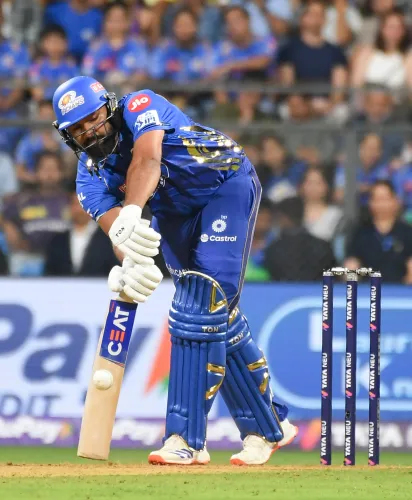
Rohit Sharma , now in ODI formats only, has delivered under pressure with a fluent 84 off 44 balls , reminding everyone of the stability he once provided.
Mumbai face RCB on 10 May with playoff hopes hanging by a thread; home advantage at Wankhede Stadium has also eroded this season.
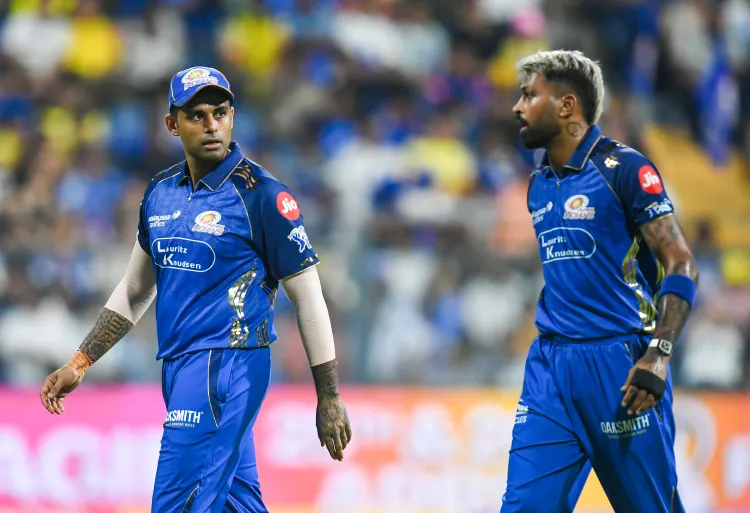
Mumbai, 5 May 2026 — The Mumbai Indians, five-time IPL champions and architects of consistency across eight seasons, have unravelled in IPL 2026, exposing fault lines in leadership, team balance, and the form of star players who weeks earlier lifted the ICC Men's T20 World Cup. Suryakumar Yadav, Jasprit Bumrah, and Hardik Pandya — the core that defined Mumbai's dominance — now find themselves navigating a campaign that has dismantled the franchise's aura of inevitability.
The captaincy rupture
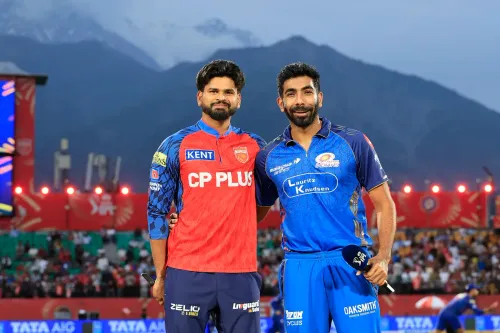
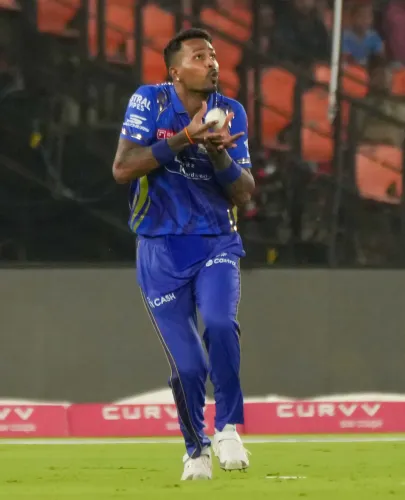
At the root of Mumbai's slide lies the transition from Rohit Sharma to Hardik Pandya in the captain's role. The shift was intended to inject dynamism and all-round influence; instead, it fractured the structural stability that had long underpinned the franchise's success. Rohit's tenure was marked by calm authority and tactical clarity — qualities that had become synonymous with Mumbai's identity. Pandya's return, by contrast, has been marked by struggles both on and off the field. His inability to close matches, deliver breakthroughs in crucial phases, or exert on-field control has left Mumbai without a decisive leader in moments that demand clarity.
Star form falters under pressure
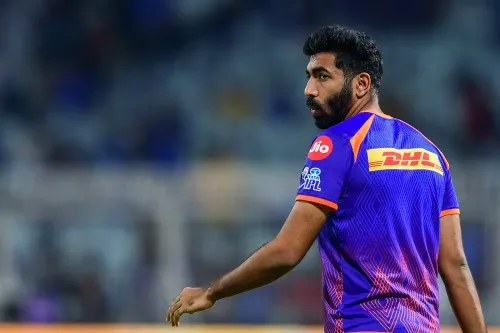
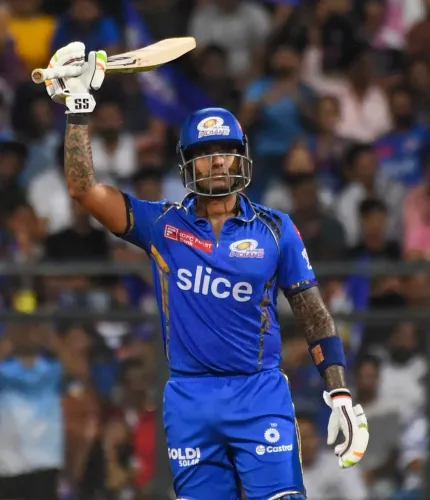
Suryakumar Yadav, India's T20I captain, has shown glimpses of fluency but repeatedly failed to convert starts into match-defining innings. The intent and strokeplay range remain intact; the outcomes have not. Jasprit Bumrah, long regarded as the gold standard of T20 bowling, has struggled to assert control in a season dominated by high-scoring contests. His wicket tally and inability to dictate phases have exposed a broader malaise: a bowling unit that has fractured as a cohesive force.
Collective inconsistency across departments
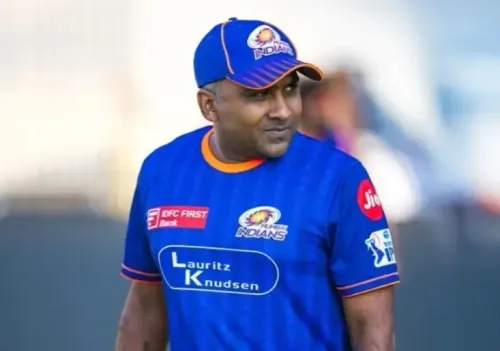
Head coach Mahela Jayawardene has attributed the issues to collective inconsistency rather than isolated failures. The batting order, despite its firepower, has oscillated between promise and collapse — early top-order falters, middle-order rebuilds under pressure, and strong starts that fail to translate into match-winning totals. The bowling, once a pillar of success, has lacked penetration and control, with opponents repeatedly capitalising in key phases. This comes amid a broader problem: team construction that prioritised bowling depth over batting stability, a trade-off that has yielded neither.
Rohit's quiet reminder amid chaos
In stark contrast, Rohit Sharma, now confined to ODI formats after stepping away from T20Is and Tests, has delivered under pressure despite injury setbacks and limited game time. His return to the middle order after missing several matches yielded a fluent 44-ball 84 while chasing a daunting 229, stitched alongside Ryan Rickelton. The knock offered a rare glimpse of the stability and class that had anchored Mumbai's most successful era — a stark reminder of what the franchise has lost in its transition.
The fortress crumbles
The Wankhede Stadium, once a bastion of Mumbai's dominance, has offered little refuge this season. Heavy defeats and high-scoring contests have neutralised home advantage, symbolising the broader erosion of the franchise's authority. Team construction shortcomings — the absence of consistent domestic breakthroughs once hallmark of their scouting — have further widened the gap between reputation and current performance.
What lies ahead
With playoff hopes hanging by a thread, Mumbai face defending champions Royal Challengers Bengaluru on 10 May after a four-day gap. More than results, IPL 2026 has become a test of transition for a franchise built on certainty. The challenge now lies in rediscovering rhythm — from a captain seeking authority, a batting mainstay searching for sustained impact, and a bowling spearhead striving to regain control. For Mumbai Indians, the fall from trendsetters to strugglers has been as stark as it has been sudden. World Cup glory offers little protection in the unforgiving churn of the league.
Point of View
And captaincy transitions in franchise cricket carry sharper costs than in international formats. Hardik Pandya's struggle to assert leadership while also delivering with bat and ball is not unique — it is the oldest captaincy paradox. But for a franchise built on the certainty of Rohit's calm authority, the shift has been seismic. The real question is not whether Pandya can recover form, but whether Mumbai's structural balance — batting depth traded for bowling penetration — was ever sound. Rohit's quiet excellence from the margins only underscores what the franchise has surrendered.
NationPress
26 Sept 2026
Frequently Asked Questions
Why has Mumbai Indians' IPL 2026 campaign collapsed despite winning the T20 World Cup?
The primary trigger is the captaincy transition from Rohit Sharma to Hardik Pandya, which fractured the franchise's structural stability. Pandya has struggled to assert on-field control while also managing leadership demands, and the side has suffered from inconsistency across batting and bowling departments.
How has Suryakumar Yadav performed in IPL 2026?
Suryakumar Yadav, India's T20I captain, has shown glimpses of fluency but has repeatedly failed to convert starts into match-defining innings. The outcomes have not followed despite intact intent and strokeplay range.
What has been Jasprit Bumrah's performance in IPL 2026?
Bumrah, long regarded as the gold standard of T20 bowling, has struggled to assert usual control. His lack of wickets and inability to dictate phases in a high-scoring season have exposed broader bowling unit fragility.
How has Rohit Sharma fared in IPL 2026 despite stepping away from T20Is?
Rohit, now confined to ODI formats, has delivered under pressure despite injury setbacks. He returned with a fluent 44-ball 84 while chasing 229, offering a rare glimpse of the stability and class that once anchored Mumbai's success.
What are Mumbai Indians' remaining prospects in IPL 2026?
With playoff hopes hanging by a thread, Mumbai face defending champions Royal Challengers Bengaluru on 10 May. The franchise must rediscover rhythm across captaincy, batting, and bowling to salvage their campaign.