Norway FA chief calls on Infantino to resign over FIFA governance crisis
Synopsis
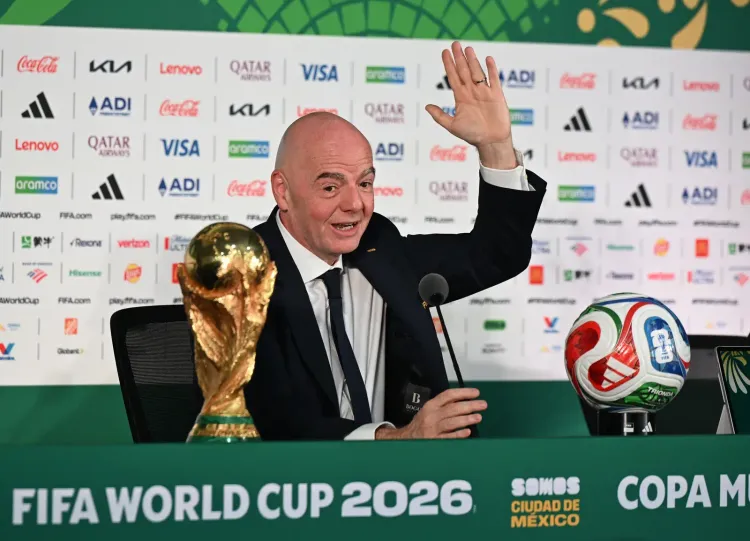
Norway’s football federation president has done what UEFA stopped short of — explicitly calling on Gianni Infantino to resign. Coming after FIFA’s hasty withdrawal of a World Cup commercial rights proposal and a formal apology to 211 member associations, this is the sharpest national-level challenge to Infantino’s authority yet, and a signal that European dissent is moving from institutional statements to personal accountability demands.
Key Takeaways
NFF president Lise Klaveness publicly called on FIFA president Gianni Infantino to resign on 7 August .
The demand followed FIFA’s withdrawal of a proposal to sell a minority stake in FIFA World Cup commercial rights.
Infantino issued a formal apology to all 211 FIFA member associations after the plan was scrapped.
UEFA had already declared a loss of confidence in Infantino and warned of a potential boycott over governance failures.
Norway is not seeking an extraordinary UEFA Executive Committee meeting but plans to engage FIFA directly.
Klaveness noted the controversy fits a broader pattern of governance concerns Norway has raised with FIFA over several years.
Norwegian Football Federation (NFF) president Lise Klaveness on Friday, 7 August publicly demanded that FIFA president Gianni Infantino step down, arguing he no longer commands the institutional trust required to steer world football through its deepening governance crisis. The call came directly after the NFF's monthly board meeting in Oslo and marks one of the most direct resignation demands from a national federation head in recent FIFA history.
What Klaveness Said
Speaking to reporters, Klaveness was unambiguous in her position. “Gianni Infantino no longer has the institutional trust required to lead FIFA in a stable manner. The international football community is facing a difficult period, and we believe new leadership is needed. We will therefore ask the FIFA president to resign,” she said, as quoted by the BBC.
Klaveness added that the NFF intends to communicate its position directly to FIFA rather than push for an extraordinary UEFA Executive Committee session. “We are in regular dialogue with UEFA and other member associations. Whether more countries formally join this position is something that will develop over time. Our intention is to communicate directly with FIFA and ask the president to step down,” she said.
The Investment Proposal That Triggered the Crisis
The immediate flashpoint was FIFA’s now-withdrawn proposal to sell a minority stake in the commercial rights linked to the FIFA World Cup. The plan drew sharp criticism from multiple football associations and confederations, particularly across Europe, over concerns about governance, transparency, and long-term control of the sport’s premier tournament. FIFA subsequently pulled the proposal and Infantino issued a formal apology to all 211 member associations, but critics argue the damage to institutional credibility was already done.
UEFA’s Position and the Wider Backlash
UEFA had already declared a loss of confidence in the FIFA president before Norway’s intervention, accusing the governing body of failing to adequately consult member associations before unveiling the investment plan. Despite FIFA’s apology and the withdrawal of the proposal, UEFA has maintained that the episode revealed deeper structural governance failures and has continued to warn of a potential boycott if meaningful reforms are not implemented.
Klaveness, who took charge of the Norwegian federation in 2022, framed the latest controversy as part of a broader, recurring pattern. She noted that Norway has repeatedly raised governance concerns with FIFA over several years, suggesting this is not an isolated grievance but a systemic issue. She expressed hope that more UEFA member associations would align with Norway’s stance in the weeks ahead.
What Happens Next
Norway is not seeking an emergency UEFA meeting, but the federation’s public stance adds measurable pressure on Infantino at a moment when European football’s relationship with FIFA is already severely strained. Whether other national associations formally endorse a resignation call remains to be seen, but the trajectory of European dissent suggests the governance debate is far from resolved. How FIFA’s leadership responds to mounting institutional pressure will likely define the organisation’s credibility heading into the next major reform cycle.
Point of View
Not structural reform — and European football’s leadership knows the difference. If UEFA’s boycott threat is to carry weight, it needs national federations to stop deferring and start committing publicly, as Norway has now done.
NationPress
22 Sept 2026
Frequently Asked Questions
Why is Norway calling for FIFA president Gianni Infantino to resign?
Norway’s football federation president Lise Klaveness says Infantino no longer has the institutional trust needed to lead FIFA, citing the governance crisis triggered by a now-withdrawn proposal to sell commercial rights linked to the FIFA World Cup. She also pointed to a broader pattern of governance concerns Norway has raised with FIFA over several years.
What was the FIFA investment proposal that sparked the controversy?
FIFA had proposed selling a minority stake in the commercial rights associated with the FIFA World Cup. The plan was heavily criticised by European football associations and confederations over transparency and governance concerns, and FIFA subsequently withdrew it. Infantino issued a formal apology to all 211 member associations.
What is UEFA’s position on Infantino?
UEFA has stated it no longer has confidence in the FIFA president and accused the organisation of failing to consult member associations before unveiling the investment proposal. UEFA has also warned of a potential boycott if meaningful governance reforms are not implemented.
Is Norway pushing for an emergency UEFA meeting over this?
No. Klaveness said Norway is not seeking an extraordinary UEFA Executive Committee meeting. Instead, the federation intends to communicate its resignation demand directly to FIFA and hopes other UEFA member associations will align with its position over time.
Who is Lise Klaveness and when did she take charge of Norwegian football?
Lise Klaveness has been president of the Norwegian Football Federation since 2022. She has been a vocal critic of FIFA governance and has previously raised concerns about the organisation at international forums.