Are Pakistan Cricket Team Experts in U-turns?
Synopsis
In a surprising twist, the Pakistan cricket team has agreed to play India in the T20 World Cup after initially planning a boycott. Former spinner Danish Kaneria humorously critiques this decision, branding Pakistan as U-turn specialists. Dive into the complexities of this unfolding drama, the pressures of cricket politics, and the psychological challenges faced by players.
Key Takeaways
Pakistan government initially planned a boycott against India.
Increased pressure led to a reversal of this decision.
Danish Kaneria criticized this inconsistency.
Players face added pressure in high-stakes matches.
Political influences impact sports significantly.
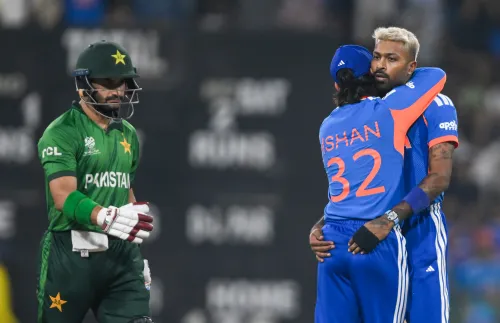
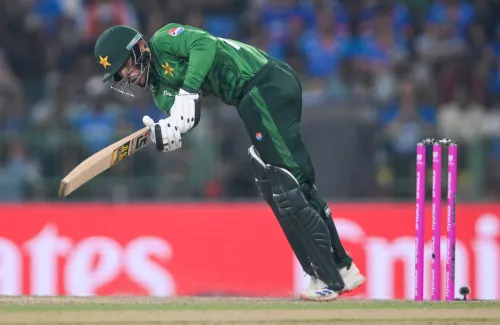
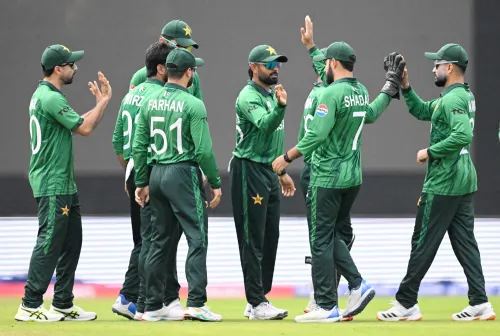
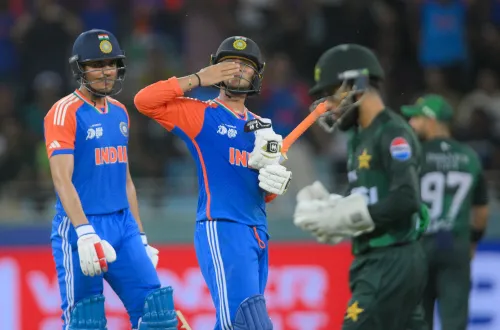
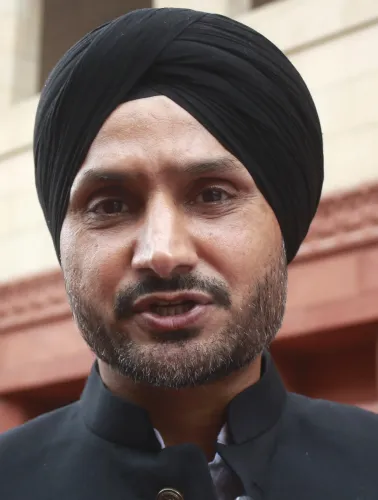
New Delhi, Feb 11 (NationPress) Following Pakistan's unexpected reversal to participate in the T20 World Cup match against India, former spinner Danish Kaneria humorously remarked, "there are spin specialists and batting specialists, but Pakistan excels as U-turn specialists."
The Pakistan government previously instructed the team to abstain from the match against their rival India in a show of solidarity with Bangladesh, which had been ousted from the ICC T20 World Cup and replaced by Scotland after its request to shift matches from India to Sri Lanka was denied.
However, late on Monday, the government performed a complete U-turn, permitting the men's cricket squad to proceed with their scheduled encounter against India on February 15 at the R. Premadasa Stadium in Colombo.
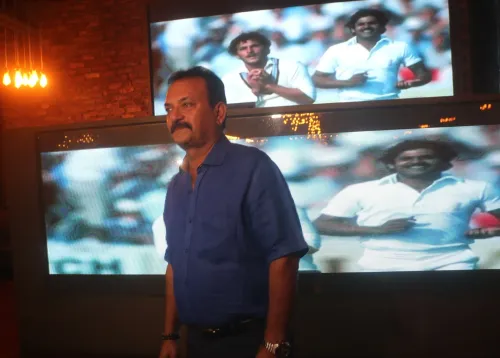
“There’s a limit to everything… I had mentioned earlier that this drama wouldn’t cease and that they would indeed reverse their stance, because they’re specialists in it — similarly to how there are spin specialists and batting specialists, Pakistan is a specialist in U-turns. I’ve never seen anyone do it better than them,” Kaneria stated in an interview with IANS on Wednesday.
“The global audience began to mock Pakistan — observing that one moment they declare one thing, and the next moment they proclaim something entirely different. Pakistan then proceeded to assert its own demands, such as agreeing to play exclusively on a bilateral basis, among other things.
“As the pressure increased — with the ICC cautioning of potential sanctions, the threat of considerable financial losses, and the likelihood that foreign players might not receive NOCs to participate in the PSL — the entire situation appeared nonsensical. There was no rationale for the abrupt announcement of a boycott,” he added.
Kaneria further challenged Pakistan’s boycott decision and the rationale linking it to Bangladesh, stating, “What has Bangladesh ever contributed to Pakistan cricket?”
“What transpired in Bangladesh was a matter between them and the ICC. I fail to comprehend how Bangladesh has ever aided the PCB in any capacity. You made such grand proclamations about a boycott — so what transpired now? What suddenly shifted that you feel compelled to play?” Kaneria questioned.
He continued, “If you’re going to make a decision, at least adhere to it. But abruptly taking a U-turn and generating media hype — claiming we did this, we did that — only exacerbates the situation. This issue has escalated to the point that it could become a significant headache in the future.
“At this moment, I find the whole situation quite amusing. If you’ve taken a position, then remain consistent — no means no. It appeared that Pakistan was anxious about being isolated or eliminated from the tournament, so ultimately they conceded, ‘Alright, we’ll play.’
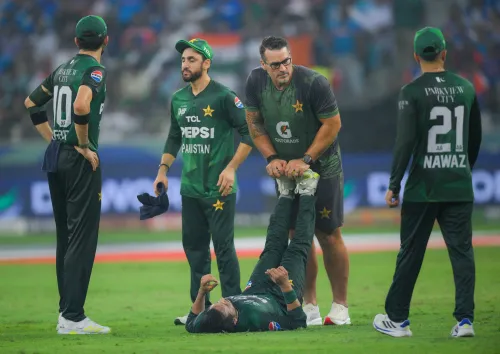
Kaneria emphasized the psychological challenges involved in high-stakes India-Pakistan matches, noting that when a team mentally readies itself for a no-contest scenario and is suddenly compelled to confront the tournament’s most significant game, the unexpected change can induce pressure on both sides.
“Considering all that has transpired, politics and cricket have clearly intertwined, and there is undoubtedly pressure on the players. Pakistan has now consented to play, and the excitement has already commenced — ‘Shaheen vs Abhishek,’ framing it as a monumental showdown. The longstanding rivalry had somewhat diminished due to Pakistan’s recent underwhelming performances and India’s consistent victories. However, by initially refusing and subsequently performing a U-turn, Pakistan has rekindled the rivalry and imposed additional pressure on its own team,” he remarked.
“Both teams are under pressure. Previously, players were mentally in a space where they believed they wouldn’t face India, would secure two points, and proceed to the Super 8. But suddenly, everything transformed, and now they are required to play. This implies that preparation doubles, as does the pressure. Expect to see intense moments and some exchanges between players. Ultimately, the team that effectively manages this pressure will emerge victorious,” Kaneria concluded.
Point of View
It's essential to recognize that while political influences can complicate sports, the integrity of the game should remain paramount. The back-and-forth regarding the Pakistan cricket team's participation speaks to broader issues of governance and national pride. However, the focus must always be on the players and the sport itself, ensuring we uphold the spirit of cricket.
NationPress
20 Sept 2026
Frequently Asked Questions
What prompted Pakistan's initial decision to boycott the match against India?
The Pakistan government initially decided to boycott the match in solidarity with Bangladesh, which had been removed from the ICC T20 World Cup.
Why did Pakistan change its mind about the boycott?
Due to increasing pressure from the ICC and the risk of financial losses, Pakistan reversed its decision to allow the team to play against India.
What impact does this situation have on the players?
The sudden change can create significant psychological pressure on players, especially in high-stakes matches against rivals like India.
How does Danish Kaneria view Pakistan's decision?
Kaneria humorously labeled Pakistan as 'U-turn specialists' and criticized their inconsistency in decision-making.
What does this situation reveal about the intersection of politics and sports?
It highlights how political decisions can heavily influence sports and the potential consequences of such actions on teams and players.