G. Sathiyan at Giving Wings to Dreams Conclave: Ecosystem key to India's sporting rise
Synopsis
At the Giving Wings to Dreams Conclave in New Delhi, Olympian G. Sathiyan reframed India's sporting ambition: it is not a medals story, it is an ecosystem story. With policymakers unveiling a National Sports Governance Act and NITI Aayog targeting $8 billion in sports goods exports by 2036, India's sporting rise is being architected as much in policy corridors and investor boardrooms as on the playing field.
Key Takeaways
Sathiyan delivered the keynote at the Giving Wings to Dreams Conclave in New Delhi on Tuesday, 25 August , calling ecosystem collaboration the cornerstone of India's sporting ambitions.
The Ministry of Youth Affairs and Sports outlined upcoming reforms including a National Sports Policy , National Sports Governance Act , and a National Sports Tribunal .
India is pursuing a whole-of-government approach toward its 2036 Olympic host bid alongside a grassroots 'Everyone Plays' initiative.
NITI Aayog has set a target of $8 billion in sports goods exports by 2036 , with manufacturing clusters and international certification as priorities.
Investor panellists noted rising capital availability but stressed the need for clear business models and scalability in sports startups.
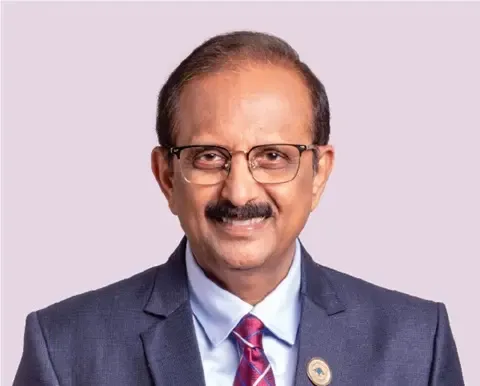
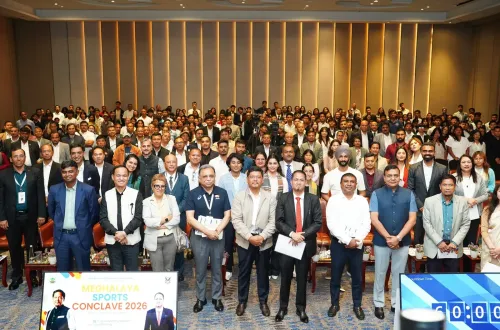
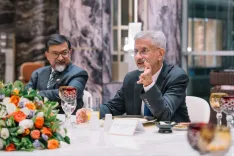
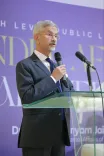
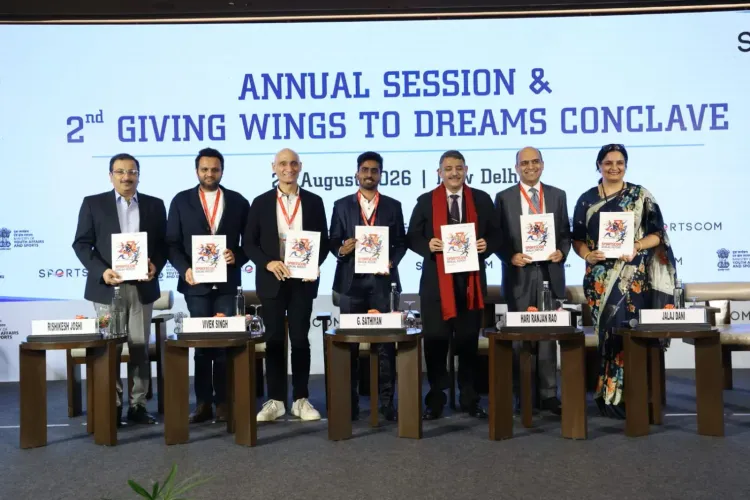
Olympian and Arjuna Award winner G. Sathiyan on Tuesday called for sustained, collaborative support from governments, corporates, leagues, and sponsors as the bedrock of India's ambition to become a global sporting powerhouse. Sathiyan delivered the keynote at the 'Giving Wings to Dreams' Conclave held at Shangri-La Eros, New Delhi, as part of SPORTSCOM's Annual Session — its second edition.
Sathiyan's Core Message
Reflecting on a career that began at age five, the table tennis star underscored how the sport has evolved from an extracurricular activity into a viable profession and an economic driver. 'It's not just about athletes. For athletes to perform in the arena, you need a whole lot of people coming together. Athletes showcase talent, but they perform only when there is immense support from corporates and the government,' Sathiyan said.
He placed particular emphasis on grassroots visibility as a catalyst for parental confidence. 'When parents start seeing Olympians and Asian Games medalists close to home, they will believe their children can reach the next level. India can truly become a sporting powerhouse,' he added.
Government's Policy Roadmap
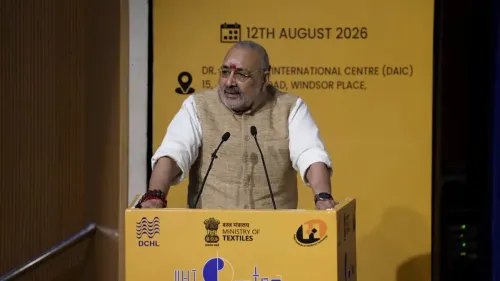
Hari Ranjan Rao, Secretary of Sports at the Ministry of Youth Affairs and Sports (MYAS), outlined a raft of upcoming policy measures during the inaugural session. These include the National Sports Policy, the National Sports Governance Act, a National Sports Board, and a National Sports Tribunal. Rao also flagged a proposed Sports Goods Manufacturing Scheme and stressed the importance of deepening fan engagement.
Jayant Chaudhary, Minister of State for Skill Development and Entrepreneurship, urged stakeholders to view sport beyond the medal tally — as a driver of employment, entrepreneurship, and economic growth. He called for integrating sport with education and skilling, and highlighted opportunities spanning sports science, coaching, nutrition, event management, content, technology, manufacturing, and entrepreneurship. Chaudhary also pointed to AI, technology, and women-led rural enterprises as enablers of inclusive growth.
Kunal, Joint Secretary at MYAS, reiterated the government's whole-of-government approach toward India's 2036 Olympic host bid, while also promoting indigenous disciplines such as Kho-Kho, Yogasana, and Mallakhamb alongside an 'Everyone Plays' grassroots initiative.
Investor Panel: What Makes a Sports Startup Venture-Ready
An investor panel moderated by journalist Ayon Sengupta brought together Chintan Thakkar of IAN Alpha Fund, Mustafa Ghouse of Centre Court Capital, and Suhail Chandhok of U Mumba / Elev8 India Sportz. Panellists noted that while domestic and international capital availability is rising, sports startups must demonstrate clear business models, proof of concept, scalability, and a credible path to profitability to attract investment.
Manufacturing: India's $8 Billion Export Target by 2036
A dedicated panel on Building India's Global Sports Manufacturing Ecosystem, moderated by Piyush Doshi of The Convergence Foundation, identified manufacturing as a primary growth lever. Sanjeet Singh, Senior Advisor at NITI Aayog, outlined five priorities — cost, clusters, competitiveness, collaboration, and communication — anchored to a target of $8 billion in sports goods exports by 2036.
Industry leaders including Neeraj Jain of COSCO, P D Arya of Gem International, Shiv Prakash Singh of Shiv Naresh, and Arjun Anand of Anandco Sporting discussed structural constraints around raw materials, logistics, and power costs. They called for dedicated manufacturing clusters, international certification infrastructure, and stronger public-private coordination. Dr. Shobhit Jain, Joint Secretary at MYAS, urged industry to bring 'applied advocacy' — specific, actionable policy recommendations — to the table.
The conclave signals a maturing conversation around India's sporting economy, one that is increasingly framed not just in medals but in markets, jobs, and global competitiveness. Whether the policy commitments outlined on Tuesday translate into structural change will be the measure of progress.
Point of View
And the $8 billion export target requires manufacturing clusters that do not yet exist at scale. Sathiyan's appeal for parental confidence is well-placed, but parental confidence follows infrastructure, not just inspiration. The real test of this conclave's worth will be whether the 'applied advocacy' Dr. Shobhit Jain called for actually reaches a legislative or budgetary outcome within the current policy cycle.
NationPress
10 Oct 2026
Frequently Asked Questions
What is the Giving Wings to Dreams Conclave?
The Giving Wings to Dreams Conclave is an annual sports ecosystem summit organised by SPORTSCOM, bringing together athletes, policymakers, investors, and industry leaders to shape India's sporting and sports-business landscape. The 2025 edition, held on 25 August at Shangri-La Eros in New Delhi, was its second edition.
What did G. Sathiyan say at the conclave?
Sathiyan argued that athlete performance depends on a broad support structure of government, corporates, and sponsors — not individual talent alone. He also stressed that grassroots visibility of Olympians and Asian Games medallists would build parental confidence and fuel India's rise as a sporting powerhouse.
What policy announcements were made at the conclave?
MYAS Secretary Hari Ranjan Rao outlined plans for a National Sports Policy, National Sports Governance Act, National Sports Board, National Sports Tribunal, and a Sports Goods Manufacturing Scheme. The government also reaffirmed a whole-of-government approach to India's 2036 Olympic host bid.
What is India's sports goods export target and who set it?
NITI Aayog Senior Advisor Sanjeet Singh set a target of $8 billion in sports goods exports by 2036, anchored around five priorities: cost, clusters, competitiveness, collaboration, and communication. Industry leaders flagged raw material, logistics, and power costs as structural barriers.
What do investors look for in Indian sports startups?
Panellists at the conclave's investor session said sports startups need clear business models, proof of concept, scalability, and a credible path to profitability. While domestic and international capital availability is growing, investors are still selective about where they deploy funds in the sector.