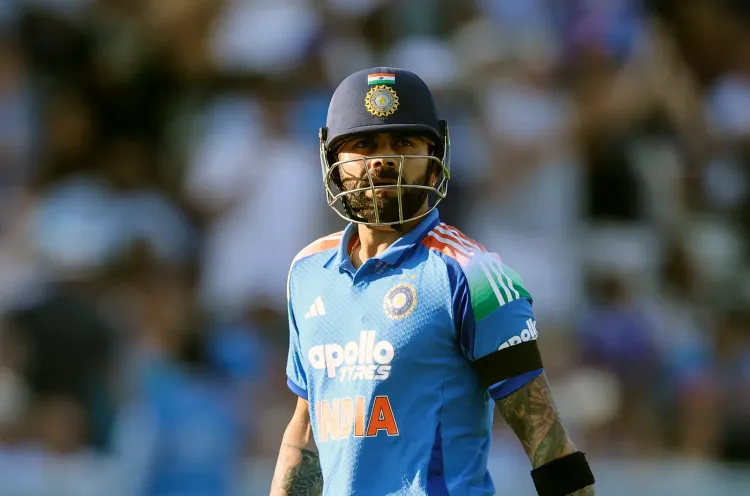
Virat Kohli's training intensity mirrors match mode, says ex-India fielding coach T Dilip
Synopsis
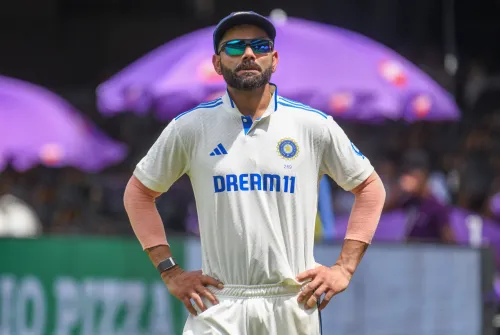
Former India fielding coach T Dilip has revealed that Virat Kohli's practice-session intensity is virtually identical to his match-day output — and that this standard quietly forces five teammates around him to stretch their own limits. It is a rare inside account of how Kohli shapes fielding culture not through instruction, but through relentless personal example.
Key Takeaways
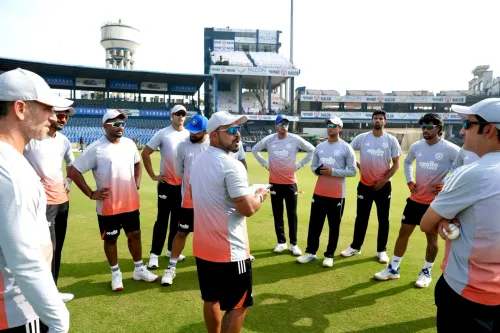
Former India fielding coach T Dilip completed nearly five years with the Indian team's coaching set-up after the England tour .
Dilip told JioStar that Virat Kohli 's training intensity is indistinguishable from his match-day performance.
Kohli's presence on the field reportedly pushes at least five teammates to raise their own fielding standards.
Even late in his career, Kohli runs from long-on to long-on at either end during death overs and is first to sprint out of the circle when the field spreads.
Dilip was most impressed by Kohli's desire to stay involved even when the ball is not near him — a key driver of India's fielding culture.
Former India fielding coach T Dilip has highlighted Virat Kohli's remarkable consistency between training and match-day performance, stating that the veteran batter's relentless intensity on the field has a measurable impact on those around him. Dilip, who recently concluded nearly five years with the Indian team's coaching set-up following the England tour, made the remarks in an interview with JioStar.
Kohli's Match-Day and Practice Intensity Are Indistinguishable
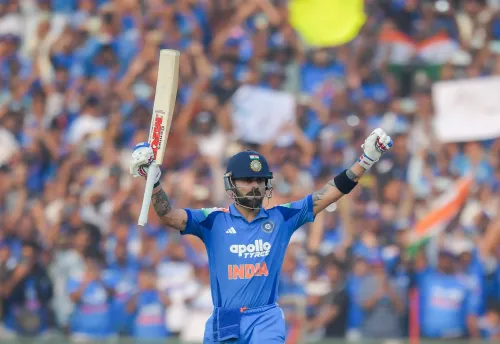
'With Virat Kohli, there is not much difference between him in a practice session and a match, because it's not just Virat; it's the five other players who have stretched their limits when they are fielding with Virat Kohli. That's the influence he brings into the group,' Dilip said.
According to Dilip, Kohli's approach transcends position or phase of the game. Whether stationed in the powerplay inner circle or patrolling the boundary during the death overs, the former India captain maintains standards that few peers match at this stage of their careers.
Reflexes, Dives, and Death-Over Hustle
'When it comes to Virat Kohli, intensity is non-negotiable. You have seen him in the powerplay, how he is as a batsman, whether at cover or short mid-wicket, with his reflexes and with his dives, is admirable. Even in the last series, he was putting in those dives and was sharp, always at you all the time. Even at this juncture of his career, he runs from long-on to long-on at either end during the death overs, and he is the first one to run out of the circle when the field is spread, and that's a fabulous thing to do for the team,' Dilip added.
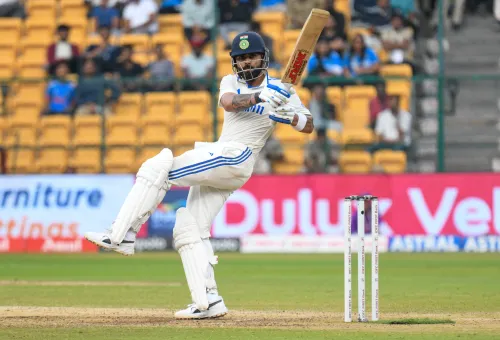
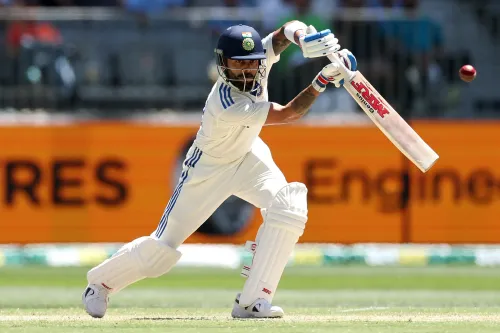
The observation is notable given Kohli's standing as a senior player. At an age when many veterans conserve energy in the field, Kohli reportedly continues to treat every fielding session as a competitive event.
What Impressed Dilip Most: Involvement Without the Ball
Dilip reserved particular praise for Kohli's behaviour when the ball is not in his vicinity — a subtler but arguably more telling indicator of fielding culture. 'What impressed me more is not just the actions, what he does when the ball is at him, but also when the ball is not near him, he wants the ball in his hands. That's the influence he brings into the group,' he stated.
This constant desire for involvement, Dilip argued, is what separates Kohli's fielding contribution from the merely athletic. It signals to teammates that disengagement — even for a moment — is not an option.
A Multiplying Effect on the Fielding Culture
For Dilip, whose tenure with the Indian team spanned several coaching regimes, Kohli's individual standards function as a collective benchmark. When one player visibly refuses to switch off, it raises the cost of complacency for everyone else in the unit.
This comes amid a broader conversation in Indian cricket about fielding standards, an area where the team has historically drawn criticism in comparison to elite fielding sides. Dilip's comments suggest Kohli has been a significant internal driver of improvement in that department. With the England tour now behind them, the Indian team's fielding culture — and Kohli's role within it — will continue to be closely watched in the next cycle of international commitments.
Point of View
And the fact that a senior batter, not a specialist fielder, is the primary standard-setter says something significant about leadership dynamics in this squad. The more pointed question is what happens to that culture when Kohli is no longer in the XI. If intensity is tied to one individual's presence rather than embedded in the system, it is a fragile foundation. Dilip's five-year tenure is over; whether his work — and Kohli's example — outlasts both of them in the dressing room is the real test.
NationPress
25 Sept 2026
Frequently Asked Questions
What did T Dilip say about Virat Kohli's fielding intensity?
T Dilip said there is virtually no difference between Kohli's intensity in a practice session and a match, and that his presence on the field pushes five teammates around him to stretch their own limits. He made the remarks in an interview with JioStar after completing nearly five years with the Indian team's coaching set-up.
How long was T Dilip associated with the Indian cricket team?
T Dilip served as India's fielding coach for nearly five years, a tenure that recently concluded following the England tour.
What specific fielding attributes did Dilip highlight in Virat Kohli?
Dilip highlighted Kohli's reflexes, diving saves, and his habit of running from long-on to long-on at either end during death overs. He also noted that Kohli is always the first to sprint out of the fielding circle when the field spreads — even at this stage of his career.
Why did Dilip say Kohli's off-ball behaviour impressed him most?
Dilip said what stood out most was Kohli's desire to stay involved even when the ball is not near him. This constant engagement, he argued, signals to teammates that switching off is not acceptable and is a key reason Kohli's intensity has a multiplying effect on the group.
What is the significance of Kohli's fielding influence for Indian cricket?
Kohli's fielding standards serve as an internal benchmark for the entire squad, reportedly helping raise India's overall fielding culture. This is particularly significant given that Indian cricket has historically faced criticism for fielding lapses in high-pressure situations.