WFI must learn from BCCI: Glitches, poor officiating mar Asian Games wrestling trials
Synopsis
India's Asian Games wrestling trials at IG Stadium turned into a case study in administrative failure — technical meltdowns disrupted the Vinesh Phogat bout, referees drew widespread criticism, and the loudest debate at the end of the day was not about squad selection but about why the WFI still can't run a major event to the standard Indian wrestlers deserve.
Key Takeaways
The Asian Games wrestling trials at IG Stadium, New Delhi on 31 May were marred by repeated technical glitches and inconsistent officiating.
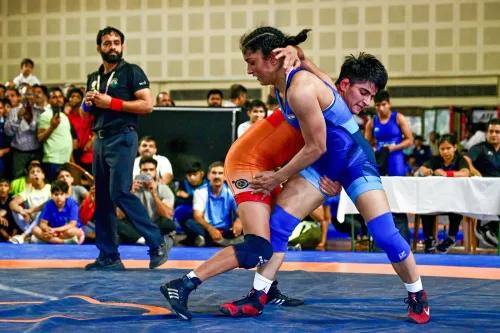
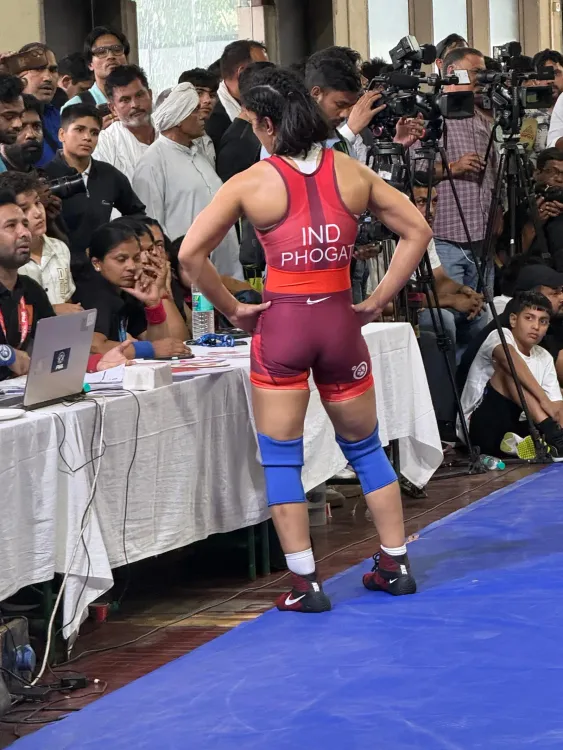
The 53kg trial bout between Vinesh Phogat and Nishu was the most affected, stretching beyond its scheduled duration due to technical failures.
Former wrestlers and athletes called on the WFI to adopt the professional event-management standards of the BCCI .
Disputed refereeing decisions caused prolonged delays across multiple bouts, drawing criticism from wrestlers and coaches.
The episode has intensified pressure on the WFI to review its event protocols ahead of future major selection events.
The Asian Games wrestling trials at IG Stadium, New Delhi, meant to select India's finest women wrestlers for the national squad, instead laid bare serious failings in administration, technology and officiating on 31 May. The event has reignited calls for the Wrestling Federation of India (WFI) to adopt the professional standards that have long defined the Board of Control for Cricket in India (BCCI).
Technical Failures Disrupt Key Bouts
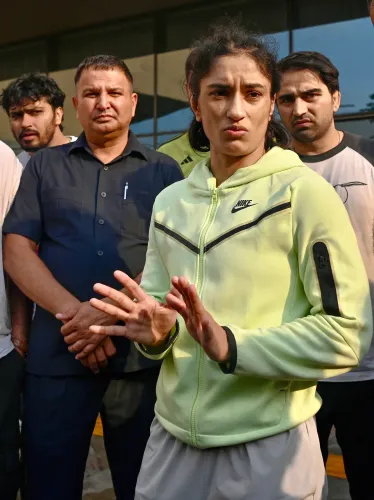
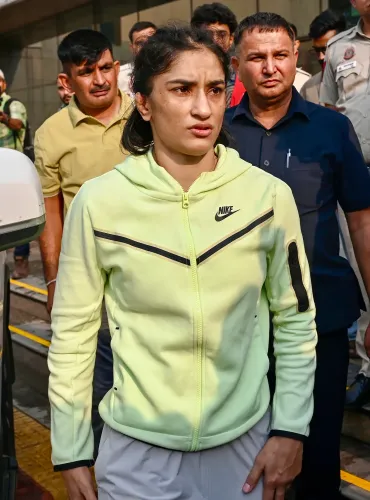
The most glaring breakdown occurred during the high-stakes 53kg trial bout between Vinesh Phogat and Nishu. What was anticipated as a fiercely competitive contest devolved into a stop-start spectacle, with repeated technical failures halting the action and stretching the bout well beyond its scheduled duration. Wrestlers, coaches and spectators were left waiting as officials scrambled to resolve the glitches.
The disruptions were not isolated. Multiple bouts across the trials suffered similar interruptions, raising pointed questions about the organisers' readiness for one of the most consequential selection events of the season.
Officiating Under Scrutiny
Beyond the technology failures, refereeing quality drew sharp criticism. Several bouts saw prolonged delays caused by disputed decisions and refereeing interventions, with wrestlers and coaches frequently seeking clarifications at critical moments in competition. The inconsistency, according to those present, undermined the integrity of the selection process itself.
'Why can't we have properly trained referees, competent technical staff and reliable equipment?' asked one former international wrestler. 'These are basic requirements for any major sporting event.'
The BCCI Comparison
Athletes and former wrestlers drew an unflattering contrast with Indian cricket's governing body. 'The WFI has a lot to learn from the BCCI,' said a former wrestler. 'Cricket run professionally. They invest in technology, train officials and ensure events run smoothly. In wrestling, too often it feels like sab kuch bas chal raha hai.'
The comparison is pointed: the BCCI has invested heavily in match-day infrastructure, certified officiating programmes and broadcast-grade technology. Wrestling, critics argue, has yet to match that institutional seriousness — even as Indian wrestlers continue to win medals at the highest international levels.
A Systemic Problem, Not a One-Off
Former wrestlers and coaches believe the scenes at IG Stadium reflect a deeper, structural problem within wrestling administration. The irony, as many noted, is stark: Indian wrestlers routinely deliver world-class performances on the international stage, yet the systems built to support and select them remain, in the view of many insiders, far from world-class.
This comes amid an already turbulent period for the WFI, which has faced governance scrutiny in recent years. The trials were an opportunity to signal a reset; instead, they amplified existing concerns.
What Happens Next
By the close of the trials, the dominant conversation was not about who secured a berth in the Asian Games squad, but why a premier national selection event was allowed to descend into disarray. Pressure is now mounting on the WFI to conduct a formal review of its event management protocols and officiating standards before India's next major wrestling calendar milestone.
Point of View
Reliable technology, clear protocols. The BCCI comparison is instructive but incomplete: the BCCI had commercial incentives that forced professionalisation. Wrestling lacks that market pressure, which means the WFI must be pushed by governance mandates rather than revenue logic. More troubling is the timing: with the Asian Games approaching and the WFI already under reputational strain, a botched selection trial does real damage to athlete confidence and public trust. The wrestlers showed up ready; the institution did not.
NationPress
24 Sept 2026
Frequently Asked Questions
What happened at the Asian Games wrestling trials at IG Stadium?
The trials on 31 May at IG Stadium in New Delhi were disrupted by repeated technical glitches and inconsistent refereeing, affecting multiple bouts and drawing widespread criticism from athletes and former wrestlers. The event raised serious questions about the WFI's event management standards.
How did the Vinesh Phogat bout get affected?
The 53kg trial bout between Vinesh Phogat and Nishu was the most visibly disrupted, with technical failures repeatedly halting the contest and pushing it well beyond its scheduled duration. Wrestlers, coaches and spectators were left waiting as officials attempted to fix the problems.
Why are people comparing WFI to BCCI?
Critics argue that the BCCI has set a benchmark for professional event management in Indian sport — investing in technology, trained officials and smooth operations — and that the WFI falls far short of that standard. Former wrestlers cited the contrast to highlight what they see as a systemic gap in wrestling administration.
What are the broader concerns about WFI administration?
Former international wrestlers and coaches believe the failures at the trials reflect a deeper structural problem: that despite Indian wrestlers performing at world-class levels internationally, the federation supporting them has not modernised its infrastructure, officiating training or technical capabilities to match.
What is expected from WFI going forward?
There is growing pressure on the WFI to conduct a formal review of its event management and officiating protocols. With the Asian Games approaching, stakeholders are calling for urgent corrective action to ensure future selection events meet the standards that India's wrestlers and the sport's credibility require.