Supreme Court shuts WFI plea against Vinesh Phogat's Asian Games trials
Synopsis
The Supreme Court closed the WFI's challenge to Vinesh Phogat's Asian Games 2026 trials entry — but pointedly refused to endorse the Delhi High Court's motherhood-as-no-bar ruling. With Phogat already out after a 4-6 semifinal loss to Meenakshi Goyat, the deeper fight over maternity policy in Indian sport now shifts back to the High Court.
Key Takeaways
The Supreme Court on 4 June disposed of the WFI's plea against Vinesh Phogat's trials participation as infructuous.
The Bench of Justices P.S.
Narasimha and Aravind Kumar declined to expunge the Delhi High Court's adverse observations but said its order is not an endorsement of them.
The Delhi High Court had ruled that motherhood cannot bar a wrestler from professional opportunities.
Phogat lost 4-6 to Meenakshi Goyat in the 53kg semifinal at the Indira Gandhi Indoor Stadium and failed to qualify for the Asian Games 2026 in Aichi-Nagoya, Japan .
The substantive policy issues remain pending before a single-judge Bench of the Delhi High Court .
The Supreme Court on Thursday, 4 June, disposed of as infructuous the Wrestling Federation of India (WFI) plea challenging a Delhi High Court order that had cleared wrestler Vinesh Phogat to compete in the Asian Games 2026 selection trials. The apex court closed the matter after noting that the trials at the heart of the dispute had already concluded.
What the Supreme Court said
A Bench of Justices P.S. Narasimha and Aravind Kumar made it explicit that the closure should not be read as approval of the High Court's observations against the federation. ‘In view of subsequent developments, this SLP is rendered infructuous. This Court will not be taken as having reiterated the findings and observations of the High Court. The issues are kept open,' the Bench said while disposing of the matter.
WFI's bid to expunge observations
During the hearing, senior advocate D.N. Goburdhun, appearing for the WFI, urged the top court to expunge certain observations made by the Delhi High Court while granting interim relief to Phogat. He argued that the High Court had recorded adverse remarks, including findings suggesting mala fides on the federation's part, which could prejudice proceedings still pending before a single-judge Bench.
Goburdhun submitted that the observations from paragraph 31 onwards ought to be deleted, given that the matter remained sub judice. The Justice Narasimha-led Bench, however, declined to expunge the remarks and instead closed the proceedings with the caveat that its order should not be read as affirming the High Court's findings.
How the dispute reached the top court
The matter travelled to the Supreme Court after the Delhi High Court permitted Phogat to take part in the Asian Games 2026 trials despite her not meeting eligibility requirements under the WFI's revised selection policy. In an interim order last month, a Bench of Chief Justice Devendra Kumar Upadhyaya and Justice Tejas Karia held that motherhood could not be treated as a ground for exclusion from professional opportunities.
The High Court had prima facie observed that the WFI's policy framework failed to adequately factor in the wrestler's maternity break and post-partum recovery period. The Supreme Court, while entertaining the WFI's appeal, had permitted Phogat to compete in the trials held on 30 and 31 May, even as it flagged reservations over the High Court's interim observations and raised concerns over the wrestler's anti-doping obligations.
How Phogat fared at the trials
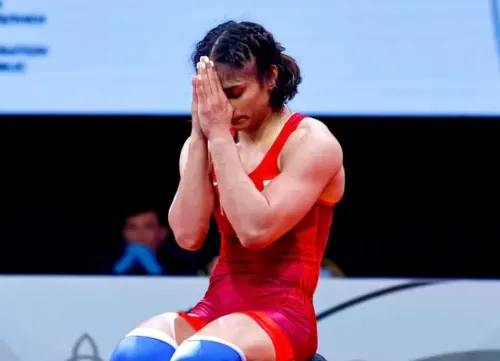
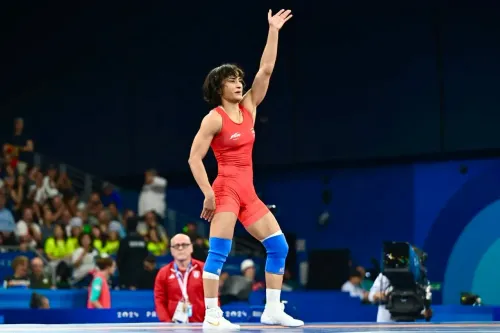
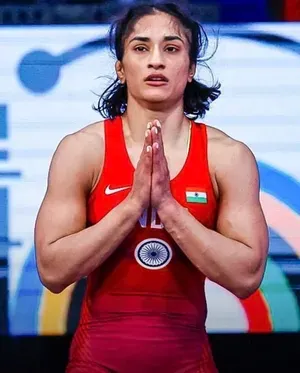
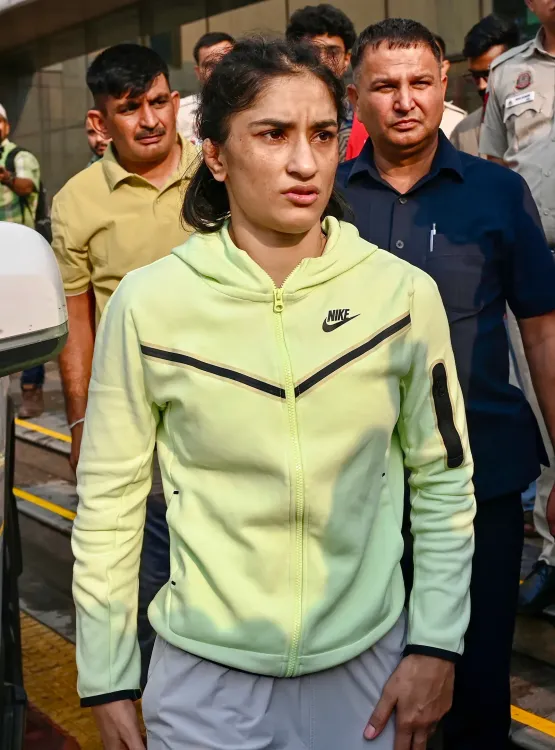
Phogat's comeback bid ended in disappointment at the Indira Gandhi Indoor Stadium in New Delhi. Competing in the women's 53kg category — after the WFI revised its initial decision restricting her to the 50kg division — she lost 4-6 to Meenakshi Goyat in the semifinals and failed to qualify for the Asian Games 2026 in Aichi-Nagoya, Japan.
What happens next
With the SLP closed but the underlying issues kept open, the larger question of how India's selection policies accommodate maternity breaks now returns to the Delhi High Court's single-judge Bench. The verdict there could shape eligibility norms for returning athletes across federations.
Point of View
And Phogat's case had the potential to set one. Instead, the law moves on without clarity, even as a Tokyo finalist exits the qualification race on the mat. The real test is whether federations will now draft maternity-sensitive selection rules pre-emptively, or wait for the next courtroom to force their hand.
NationPress
21 Oct 2026
Frequently Asked Questions
Why did the Supreme Court close the WFI's plea against Vinesh Phogat?
The Supreme Court disposed of the plea as infructuous on 4 June because the Asian Games 2026 selection trials — the subject of the dispute — had already taken place on 30 and 31 May. The Bench clarified that the closure should not be read as endorsing the Delhi High Court's observations against the WFI.
Did Vinesh Phogat qualify for the Asian Games 2026?
No. Phogat lost 4-6 to Meenakshi Goyat in the women's 53kg semifinal at the Indira Gandhi Indoor Stadium in New Delhi and failed to qualify for the Asian Games 2026 in Aichi-Nagoya, Japan.
What did the Delhi High Court rule in Phogat's favour?
The Delhi High Court held in an interim order that motherhood cannot be a ground for excluding an athlete from professional opportunities. It prima facie found that the WFI's revised selection policy failed to adequately account for maternity-related breaks and post-partum recovery.
What was the WFI's main objection in the Supreme Court?
The WFI, through senior advocate D.N. Goburdhun, asked the apex court to expunge adverse observations in the High Court order, particularly from paragraph 31 onwards, arguing they suggested mala fides and could prejudice pending proceedings. The Supreme Court declined to expunge those remarks.
Is the policy dispute over maternity and selection now settled?
No. The Supreme Court explicitly kept the underlying issues open, and the matter remains pending before a single-judge Bench of the Delhi High Court. That ruling will likely determine how Indian sports federations frame selection eligibility for returning mothers.