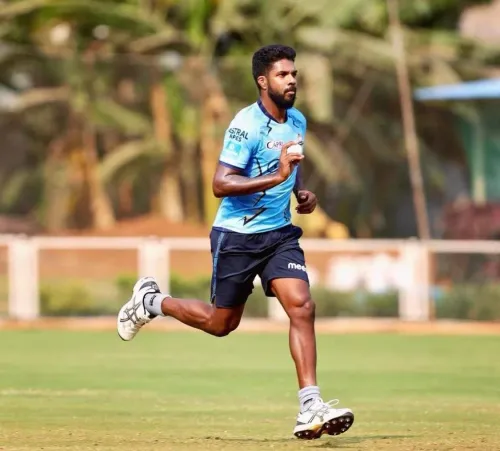
Varun Aaron on coaching: 'You have to want to help another human being'
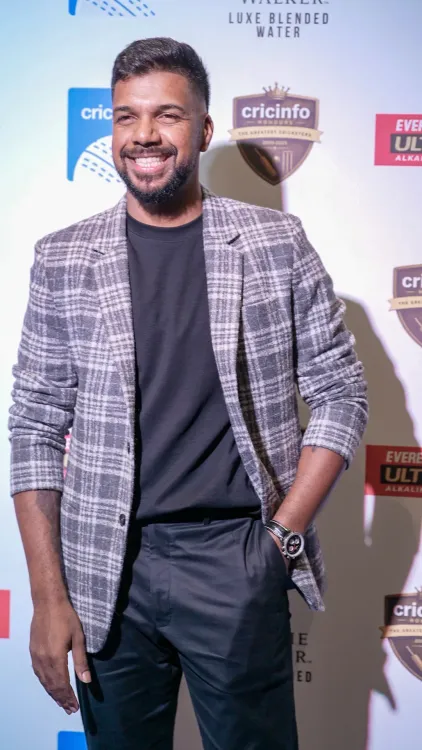
Synopsis
Varun Aaron's post-playing life is a masterclass in reinvention — from express pacer to IPL bowling coach to broadcaster to the inaugural European T20 Premier League. But the philosophy driving it all is disarmingly simple: coaching, he says, begins with the genuine desire to help another human being. Everything else, including tactics and technique, is secondary.
Key Takeaways
Varun Aaron has been appointed bowling coach of Glasgow Cosmic for the inaugural European T20 Premier League (ETPL) .
He served as Sunrisers Hyderabad's bowling coach during IPL 2026 and covered the T20 World Cup as a broadcaster.
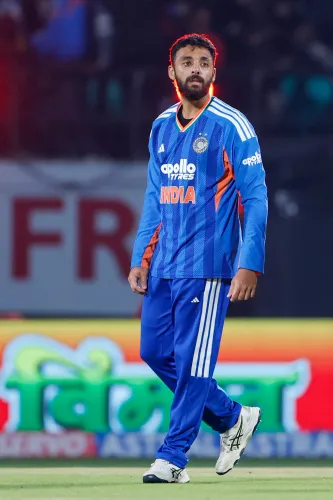
Aaron played 9 Tests and 9 ODIs for India and was a product of the MRF Pace Foundation in Chennai.
He credits Dennis Lillee for instilling work ethic and biomechanical rigour, and Subroto Banerjee for the ability to simplify complex bowling problems.
Aaron argues that empathy — not tactics — is the most important quality a coach can possess.
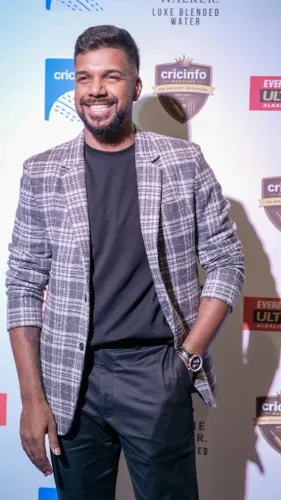
Former India pacer Varun Aaron — who represented the country in nine Tests and nine ODIs and was a consistent presence in the IPL and for Jharkhand in domestic cricket — has built a second career that straddles the coaching box and the broadcast booth. Speaking ahead of his appointment as bowling coach of Glasgow Cosmic for the inaugural European T20 Premier League (ETPL), Aaron offered a candid account of what he believes coaching is really about: human connection above all else.
The Core Tenet of Coaching
'The main tenet of coaching is the want to just help another human being, and the rest follows,' Aaron said. He was emphatic that tactical and technical knowledge, while necessary, are secondary to that fundamental impulse. 'If you don't want to just help another person, it doesn't really matter how good you are tactically or technically,' he added, while acknowledging that a coach must ultimately be strong in both dimensions.
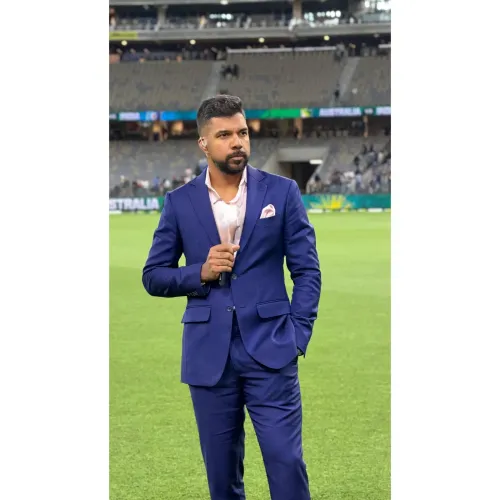
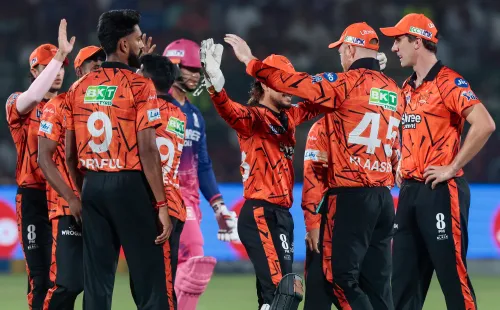
Aaron, a product of the MRF Pace Foundation in Chennai, served as Sunrisers Hyderabad's bowling coach during IPL 2026 and has been active in broadcasting — covering the T20 World Cup and England's white-ball series this year. He described both transitions as having happened 'very organically,' with broadcasting beginning when Star Sports approached him as far back as 2020, an offer he could not take up then because of a near year-round playing schedule.
Mentors Who Shaped His Philosophy
Aaron credits three formative influences for his coaching outlook. The first is his family: his mother and grandmother were both teachers in Jamshedpur, running a well-regarded nursery school. 'Coaching at the end of the day is teaching,' he said, noting that watching them work with children gave him a subconscious grounding in pedagogy long before he entered cricket.
The second is legendary Australian fast bowler Dennis Lillee, whom Aaron first met at 14 at the MRF Pace Foundation. Lillee's influence centred on work ethic and biomechanics — he used extensive video analysis to break down technique. 'When you're a kid, you're pretty much a sponge,' Aaron recalled. 'He taught me that when you're a fast bowler, you've got to eat, sleep, and breathe fast bowling.' Aaron credits Lillee with giving him the foundation that made his India debut possible.
The third mentor is former India seamer Subroto Banerjee, who worked with Aaron after a stress fracture and back surgery forced him to remodel his action. 'He just has this innate ability to simplify bowling, which I've not met too many people who have,' Aaron said. Where Lillee provided the biomechanical rigour, Banerjee provided the clarity — the ability to reduce a complex problem to its simplest solution. Together, Aaron said, the two coaches account for the twin pillars of his own approach.
Empathy as a Coaching Tool
Aaron's playing career was marked by injury setbacks, including the stress fracture that required surgery and a full action remodel. He argues that experience directly informs his empathy as a coach. 'No athlete in the world wants to go into a practice session or wants to go to a game and fail,' he said. 'So if you just understand that, I think all problems are solved as a coach.'
He recalled coaches from his own younger days who would express frustration when players did not execute plans — without pausing to understand why. His view is that underperformance always has a root cause, whether mental, tactical, or technical, and that a coach's job is to diagnose it rather than react to it. 'It all boils down to empathy, curiosity, and patience,' he said.
What Comes Next
With the ETPL marking Aaron's first assignment as a bowling coach in a European franchise league, the role extends his growing off-field portfolio. He described his current life as split roughly 80-20 between watching cricket now versus his entire playing career — a reversal that reflects how completely his relationship with the game has shifted since retirement. Aaron said he expects to remain a student of fast bowling 'till I die,' continuing to draw on the frameworks laid down by Lillee and Banerjee while developing his own voice as a coach.
Point of View
Analytics-first coaching culture in franchise cricket. It is a philosophy more easily articulated than practised, particularly in the high-pressure, results-now environment of T20 leagues. The real test of his approach will come in the ETPL, where he works with bowlers from non-traditional cricket markets who may need precisely the kind of patient, empathy-led development he describes. Whether franchise cricket's short windows allow that kind of coaching is the question his career will answer.
NationPress
27 Jul 2026
Frequently Asked Questions
Who is Varun Aaron and what is he doing now?
Varun Aaron is a former India fast bowler who played 9 Tests and 9 ODIs. He is now active as a bowling coach — most recently with Sunrisers Hyderabad in IPL 2026 — and as a cricket broadcaster, and has been appointed bowling coach of Glasgow Cosmic for the inaugural European T20 Premier League.
What is the European T20 Premier League (ETPL)?
The European T20 Premier League is a franchise-based T20 cricket competition making its inaugural appearance. Varun Aaron has joined Glasgow Cosmic as their bowling coach for this first edition.
Who were Varun Aaron's biggest coaching influences?
Aaron cites Dennis Lillee and Subroto Banerjee as the two most influential cricket coaches in his career. Lillee, whom he met at 14 at the MRF Pace Foundation, instilled work ethic and biomechanical awareness; Banerjee helped him remodel his action after back surgery and taught him to simplify complex bowling problems.
What does Varun Aaron believe is the most important quality in a coach?
Aaron believes the most important quality is empathy — the genuine desire to help another person. He argues that tactical and technical knowledge, while essential, are secondary to understanding what a player is going through and wanting to help them improve.
How did Varun Aaron transition from playing to coaching and broadcasting?
Aaron described both transitions as organic. Star Sports first approached him for broadcasting work in 2020, but his playing schedule did not allow it; he eventually began commentary in 2025. Coaching followed when Sunrisers Hyderabad invited him to join their staff ahead of IPL 2026.