Ahmedabad World Heritage Week 2026 draws over 10,000 people
Synopsis
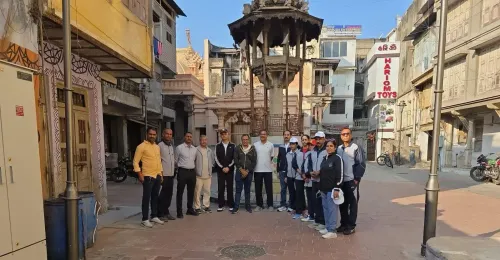
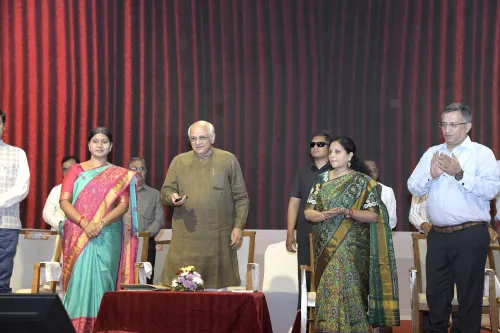
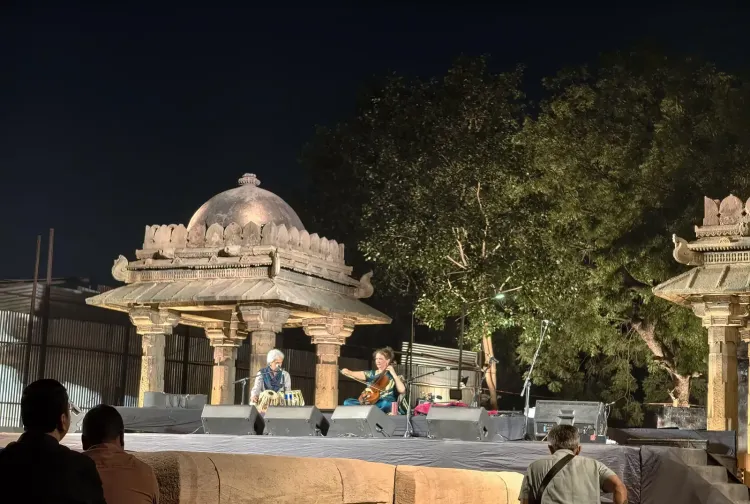
More than 10,000 people joined Ahmedabad’s World Heritage Week 2026, a seven-day civic calendar of festivals, folk programmes and stepwell events. India’s first UNESCO World Heritage City closed the week at three historic water structures, continuing a multi-year push to put residents — not just specialists — on site.
Key Takeaways
More than 10,000 people took part in Ahmedabad World Heritage Week 2026 , held from 19 to 25 November .
The Ahmedabad Municipal Corporation (AMC) organised the programmes with heritage groups, artists and institutions.
Events included the Bhadra Festival , the Water Heritage Series and Varasano Utsav .
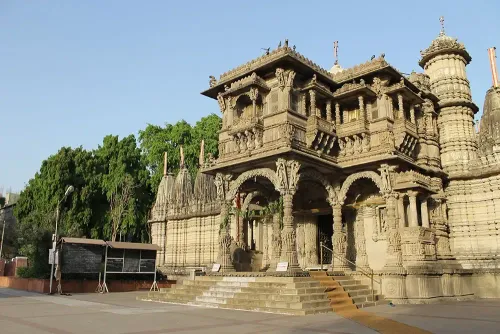
On 25 November , programmes were held at Jethabhai’s Stepwell in Isanpur, Amrit Varshini Stepwell near Panchkuva and Dada Hari’s Stepwell in Asarwa.
Ahmedabad is India’s first UNESCO World Heritage City; the 2025 edition had added walks, workshops and a cycling hunt across 21 heritage sites.
More than 10,000 people took part in Ahmedabad’s week-long World Heritage Week 2026 celebrations, organised from 19 to 25 November by the Ahmedabad Municipal Corporation (AMC) to spotlight the city’s historic architecture, art, music and folk traditions. India’s first UNESCO World Heritage City used the annual observance to draw citizens, especially younger residents, closer to its monuments and living cultural memory.
Key developments this week
The programmes ran across the city in collaboration with heritage organisations, artists and institutions. The lineup featured the Bhadra Festival, the Water Heritage Series and Varasano Utsav, alongside other cultural activities meant to make historic spaces accessible to the public rather than treating them as static backdrops.
The civic body framed the week as an outreach exercise: familiarising residents with architectural and cultural heritage that many pass daily without context. Notably, the effort was directed at the younger generation, a recurring theme in Ahmedabad’s heritage calendar over recent years.
Stepwells take centre stage on the closing day
On 25 November, events were held at three of the city’s historic water structures: Jethabhai’s Stepwell in Isanpur, Amrit Varshini Stepwell near Panchkuva, and Dada Hari’s Stepwell in Asarwa. The Water Heritage Series used these sites to underline how stepwells once anchored neighbourhoods as sources of water, gathering spaces and architectural statements.
This comes amid a broader civic effort to keep Ahmedabad’s water architecture in public view, not only as tourist stops but as part of everyday urban identity. Programmes at the three stepwells on the final day brought attention back to structures that are easily overlooked amid the city’s growth.
How the celebrations have grown
Ahmedabad, recognised as India’s first UNESCO World Heritage City, has observed World Heritage Week through initiatives aimed at promoting awareness and public engagement with historic sites. In earlier years, the calendar included illumination of historic havelis and city gates, heritage-related publications, facade design competitions, and guidance camps on the restoration of heritage buildings and Transferable Development Rights (TDR).
Public awareness campaigns and cultural programmes were also part of those editions. In 2025, the scope widened to guided heritage walks, food heritage walks, theatrical performances, sketching workshops, exhibitions and tour-guide training. A Cycling Treasure Hunt for young participants covered 21 heritage sites across the city. Students, artists, heritage enthusiasts, tourism-sector representatives and residents joined those activities last year.
This year’s edition continued that trajectory, connecting residents with landmarks and cultural traditions through public programmes rather than restricting heritage work to specialist circles. The turnout of more than 10,000 over seven days suggests the civic-cultural format has found an audience beyond dedicated conservationists.
Why it matters for the city
Ahmedabad’s UNESCO inscription made it a national reference point for urban heritage, but a listing alone does not guarantee that residents understand or use historic fabric. Week-long programming of this kind is meant to convert a global designation into local familiarity — festivals, stepwell events and folk performances that put people on site.
The emphasis on water heritage is particularly relevant for a city whose historic neighbourhoods and city gates sit alongside a network of stepwells. By staging closing-day events at Isanpur, Panchkuva and Asarwa, organisers signalled that heritage is not confined to a handful of iconic monuments. Previous editions’ work on TDR guidance and restoration camps also points to a practical layer: conservation needs legal and financial tools, not only festivals.
What happens next
The 2026 week closed on 25 November after seven days of city-wide programming. The pattern of successive years — from haveli illumination and TDR camps to walks, food trails and cycling hunts — indicates that World Heritage Week has become a recurring platform for the AMC and partner institutions.
For residents, the immediate outcome is greater visibility of sites such as the three stepwells and festivals such as Bhadra and Varasano Utsav. For the heritage sector, the test remains whether large public turnouts translate into sustained care of historic buildings, water structures and living traditions once the week ends.
Point of View
000 over seven days shows Ahmedabad can still pack heritage programming, but festivals are not the same as conservation. Earlier editions already ran restoration guidance and TDR camps — an admission that historic buildings need legal and financial instruments, not only illumination and folk nights. The closing-day focus on three stepwells is welcome; water structures decay quietly when they fall off the tourist map. The real test is whether this annual week, now expanded from walks to cycling hunts, produces year-round care rather than a once-a-year crowd.
NationPress
25 Nov 2026
Frequently Asked Questions
What is Ahmedabad World Heritage Week 2026?
It is a week-long series of cultural programmes held in Ahmedabad from 19 to 25 November 2026 to mark World Heritage Week, highlighting the city’s architecture, art, music and folk traditions. The Ahmedabad Municipal Corporation organised the events with heritage organisations, artists and institutions.
How many people took part in Ahmedabad’s World Heritage Week 2026?
More than 10,000 people participated in the seven-day celebrations across the city. The programmes were aimed especially at familiarising younger residents with Ahmedabad’s architectural and cultural heritage.
Which events were organised during World Heritage Week 2026?
The lineup included the Bhadra Festival, the Water Heritage Series and Varasano Utsav, along with other cultural activities. On 25 November, programmes were held at Jethabhai’s Stepwell in Isanpur, Amrit Varshini Stepwell near Panchkuva and Dada Hari’s Stepwell in Asarwa.
Why does Ahmedabad observe World Heritage Week?
Ahmedabad is India’s first UNESCO World Heritage City, and the week is used to promote awareness and public engagement with its historic sites. Organisers have sought to convert the global designation into local familiarity through festivals, walks and on-site programmes.
How have Ahmedabad’s World Heritage Week celebrations changed over the years?
Earlier editions featured illumination of historic havelis and city gates, heritage publications, facade design competitions, and camps on restoration and Transferable Development Rights. In 2025 the calendar expanded to heritage and food walks, theatre, sketching workshops, exhibitions, tour-guide training and a Cycling Treasure Hunt covering 21 heritage sites.