18 killed in southern Lebanon as Israel-Hezbollah fighting rages on
Synopsis
Despite a ceasefire reached in mid-April, Israel and Hezbollah have continued near-daily exchanges in southern Lebanon. On 11 June alone, at least 18 people were killed — nine in a single strike on Tayr Debba. Lebanon's cumulative death toll since 2 March has now reached 3,696, even as President Aoun presses for diplomacy and Netanyahu addresses the Lebanese people directly.
Key Takeaways
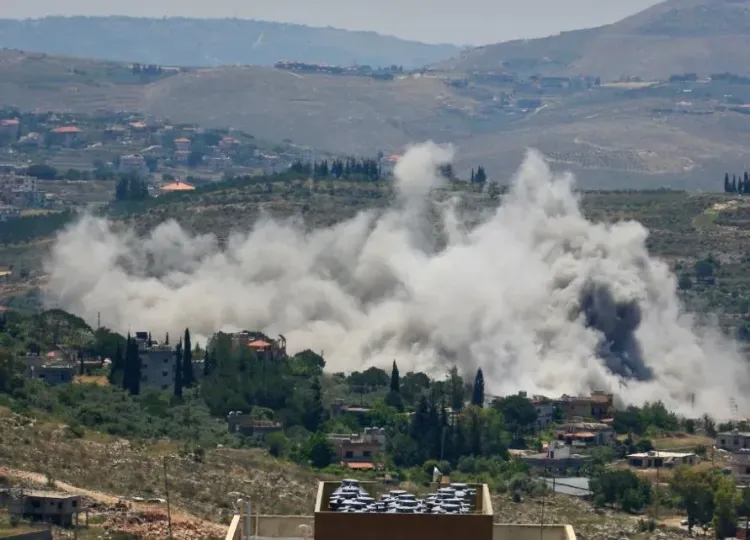
At least 18 people were killed and several injured in southern Lebanon on 11 June amid ongoing Israel-Hezbollah fighting.
The deadliest single strike hit Tayr Debba in Tyre District , killing 9 and injuring 7 .
Hezbollah said it targeted Israeli troop gatherings in Qantara and Bayada ; Israel said it struck Hezbollah infrastructure across southern Lebanon.
Lebanese President Joseph Aoun called for diplomacy, an end to Israeli attacks, and withdrawal of Israeli forces.
PM Netanyahu claimed Israel has killed nearly 10,000 Hezbollah militants and urged Lebanese citizens to oppose Hezbollah.
Lebanon's Public Health Emergency Operations Centre reports 3,696 killed and 11,413 injured since 2 March .
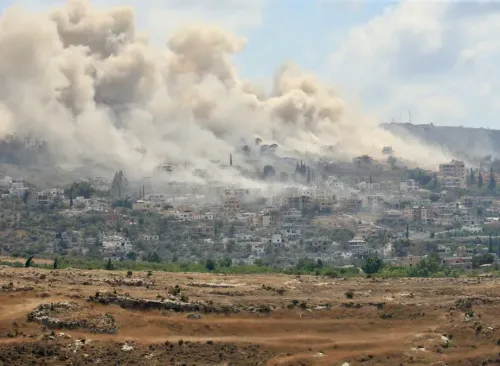
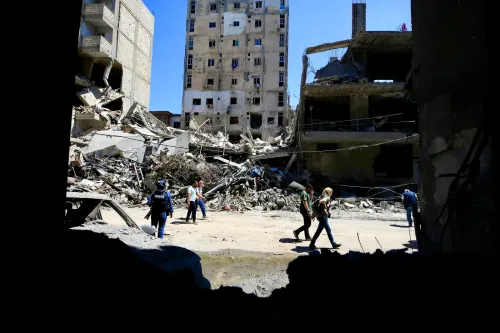
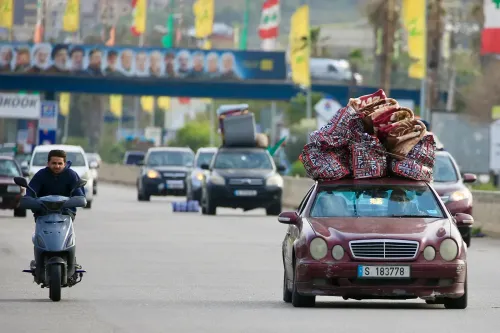
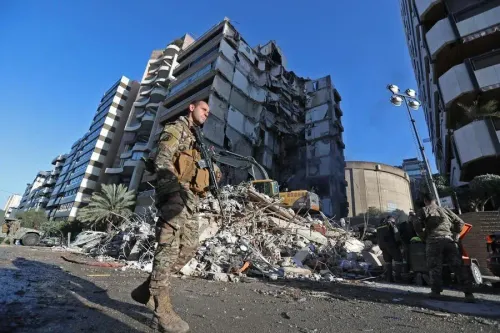
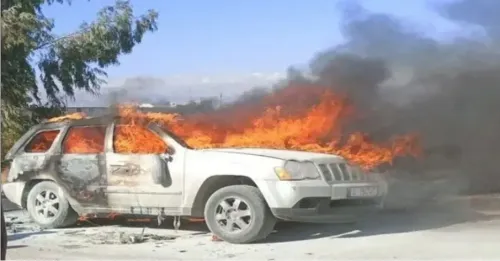
At least 18 people were killed and several others injured in southern Lebanon on Wednesday, 11 June as cross-border fighting between Israel and Hezbollah continued unabated, according to civil defence and health authorities. The toll underscores the fragility of a ceasefire reached between Israel and Lebanon in mid-April, which has failed to hold.
Deadliest Strike: Tayr Debba
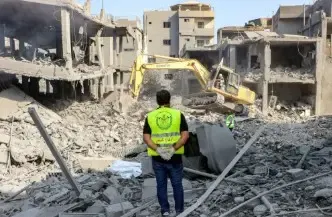
The single deadliest attack on Wednesday struck the town of Tayr Debba in Tyre District, killing nine people and injuring seven others, according to a preliminary toll cited by Lebanon's National News Agency. The town was among multiple locations in the south targeted during the day's exchanges.
Military Exchanges on Both Sides
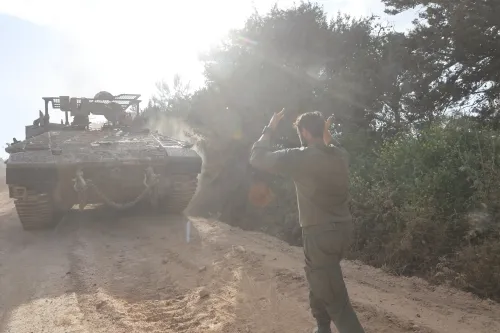
The Israeli military said it struck Hezbollah infrastructure sites and killed Hezbollah militants in Tyre and other areas of southern Lebanon over the preceding 24 hours. It also confirmed that Hezbollah launched a drone toward Israeli soldiers in southern Lebanon, which it said was intercepted.
Hezbollah, for its part, said it targeted gatherings of Israeli troops and vehicles in the southern Lebanese towns of Qantara and Bayada. This is consistent with the near-daily pattern of reciprocal strikes that has persisted since the April ceasefire nominally took effect.
Lebanese President Calls for Diplomacy
Lebanese President Joseph Aoun said Wednesday he would pursue negotiations 'until the end,' describing diplomacy as the best path to restoring Lebanon's sovereignty, according to a presidency statement. 'Wars achieve no results other than losses shared by everyone,' he said, calling for an end to Israeli attacks, the withdrawal of Israeli forces, and an end to foreign interference in Lebanon's internal affairs.
Netanyahu's Video Message to Lebanese People
Israeli Prime Minister Benjamin Netanyahu separately released a video message addressed to the Lebanese people, urging them to align with Israel against Hezbollah. He claimed that Israel has killed nearly 10,000 Hezbollah militants, adding: 'no matter where they are, we'll find them.'
Broader Toll Since March
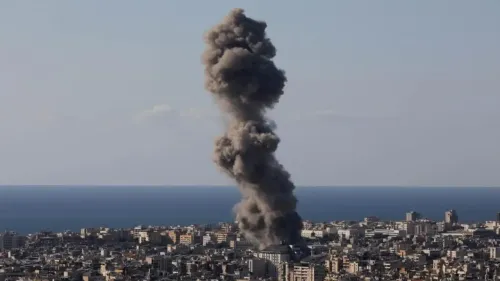
The escalation follows a brief Israel-Iran flare-up triggered by Israeli airstrikes on Beirut on Sunday. Lebanon's Public Health Emergency Operations Centre said on Wednesday that Israeli attacks since 2 March have killed 3,696 people in Lebanon and injured 11,413 others. The cumulative death toll, even as a ceasefire nominally remains in place, has drawn sharp international attention to what critics describe as a de facto continuation of hostilities.
With diplomatic efforts ongoing but ground realities unchanged, the trajectory of the conflict will hinge on whether backchannel negotiations — and mounting international pressure — can translate into a durable halt to strikes on both sides.
Point of View
In practice, functioned as little more than a pause on paper. Near-daily Israeli strikes and Hezbollah retaliations have continued with a consistency that renders the ceasefire label almost meaningless. President Aoun's diplomatic posture is notable — a Lebanese head of state publicly demanding Israeli withdrawal and rejecting foreign interference is a shift in tone — but tone alone has not stopped the strikes. Netanyahu's video appeal to ordinary Lebanese citizens is a psychological-operations move that bypasses the Lebanese state, and its effectiveness is doubtful given the scale of civilian casualties. The real question is whether the international community, which brokered the April ceasefire, has the leverage or the will to enforce it.
NationPress
19 Sept 2026
Frequently Asked Questions
How many people were killed in southern Lebanon on 11 June?
At least 18 people were killed and several others injured in southern Lebanon on 11 June, according to civil defence and health authorities. The deadliest single attack struck Tayr Debba in Tyre District, killing nine people and injuring seven.
What is the total death toll in Lebanon since March 2025?
Lebanon's Public Health Emergency Operations Centre reported on Wednesday that Israeli attacks since 2 March have killed 3,696 people and injured 11,413 others in Lebanon.
What did Lebanese President Joseph Aoun say about the conflict?
President Aoun said he would pursue negotiations 'until the end,' calling diplomacy the best path to restoring Lebanon's sovereignty. He demanded an end to Israeli attacks, withdrawal of Israeli forces, and an end to foreign interference in Lebanon's internal affairs.
What did Israeli PM Netanyahu say in his video message?
Netanyahu addressed the Lebanese people directly, urging them to align with Israel against Hezbollah. He claimed Israel has killed nearly 10,000 Hezbollah militants and warned that Israeli forces would find them 'no matter where they are.'
Is the Israel-Lebanon ceasefire still in effect?
A ceasefire was reached between Israel and Lebanon in mid-April, but it has not stopped the fighting. Israel has continued near-daily strikes, claiming to target Hezbollah positions and weapons, while Hezbollah has continued launching attacks on Israeli military positions.