DRI, Bihar Police seize 19.39 kg ivory near Nepal border, 4 held
Synopsis
Nearly 20 kg of elephant ivory was intercepted on two two-wheelers just short of the Nepal border in Bihar's West Champaran. The DRI-Bihar Police catch, made after the suspects tried to flee, puts the porous Indo-Nepal frontier back in focus as a potential corridor for trafficking Schedule I wildlife products.
Key Takeaways
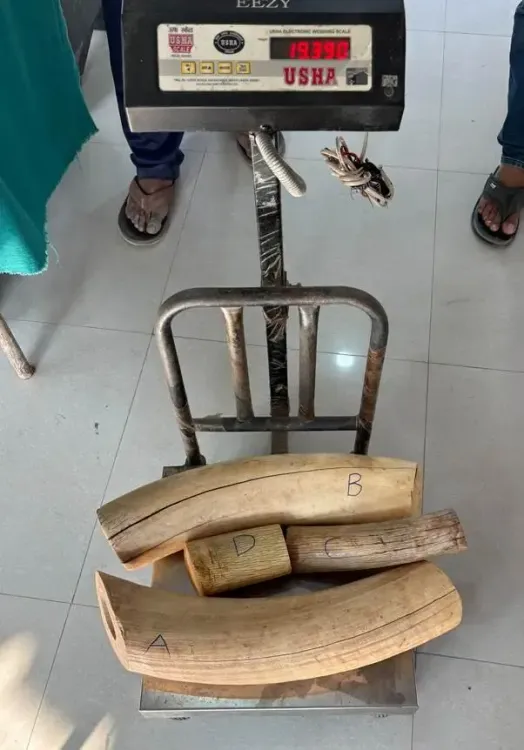
DRI and Bihar State Police seized 19.39 kg of elephant ivory in West Champaran , Bihar.
Four suspects travelling on two two-wheelers were arrested near the Indo-Nepal border on Wednesday.
The suspects reportedly tried to flee and resisted officers before being apprehended.
The ivory was seized under the Wildlife (Protection) Act, 1972 ; elephants are listed in Schedule I and CITES Appendix I .
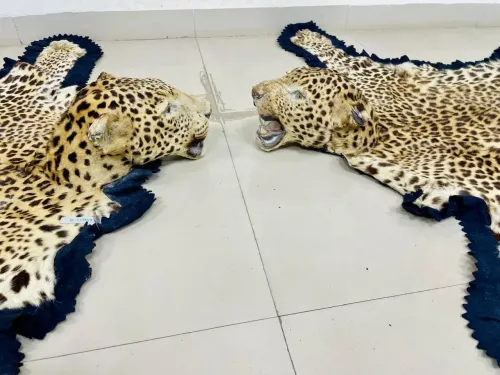
Earlier this month, a Nagpur court sentenced three people to three years in jail and a ₹5,000 fine each in a CBI leopard skin case.
The Directorate of Revenue Intelligence (DRI), in a joint operation with the Bihar State Police, seized 19.39 kg of elephant ivory and arrested four people allegedly involved in the illegal trade in animal body parts in West Champaran district of Bihar. The arrests were made near the Indo-Nepal border on Wednesday, an official said on Thursday, 26 November 2026.
According to an official statement, the intelligence-led operation targeted a suspected wildlife trafficking network operating along the border. The seizure has been made under the relevant provisions of the Wildlife (Protection) Act, 1972.
How the Operation Unfolded
DRI officers, working with the Bihar State Police, intercepted four persons travelling on two two-wheelers, the statement said. One of the suspects was reportedly carrying a bag that officials suspected contained elephant ivory.
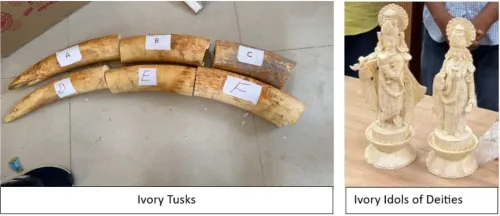
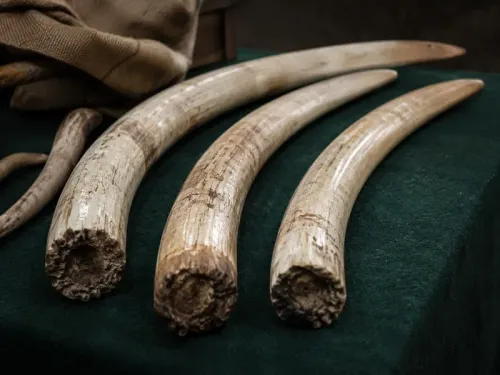
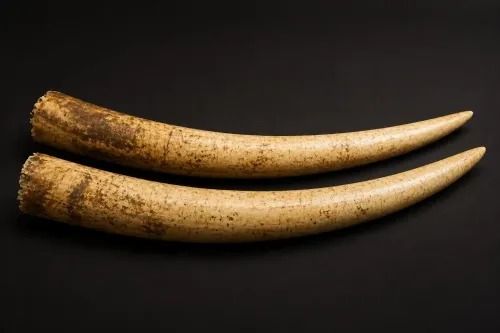
The suspects attempted to flee and resisted the officers but were apprehended, according to the statement. On examination, 19.39 kg of elephant ivory was recovered from them and seized.
Legal Protection for Elephants
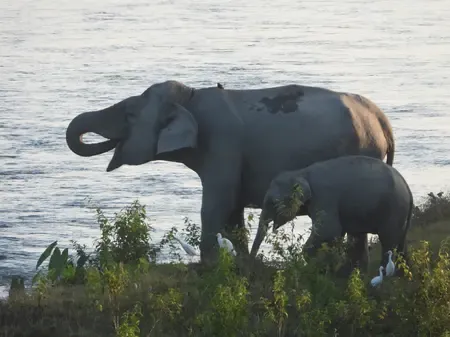
Elephants are protected under Schedule I of the Wildlife (Protection) Act, 1972, the highest category of legal protection in India. They are also listed in Appendix I of the Convention on International Trade in Endangered Species of Wild Fauna and Flora (CITES), which covers species threatened with extinction.
Trade in ivory is prohibited under Indian law. In its statement, the DRI said illegal trafficking poses a serious threat to elephant conservation and biodiversity.
The agency said the operation underscores its commitment to combating wildlife trafficking and dismantling networks involved in the illegal trade of protected species through intelligence-led enforcement and close coordination with other law enforcement agencies.
Why the Border Region Matters
Notably, the arrests took place close to the Indo-Nepal border, a long and largely open frontier that enforcement agencies have repeatedly flagged as a transit route for contraband. West Champaran shares a border with Nepal, and the location of the interception is likely to shape the next phase of the investigation, including any cross-border links.
Officials have not yet publicly disclosed the identities of the four accused or the suspected source and destination of the ivory.
Recent Wildlife Crime Convictions
This comes weeks after a court delivered a verdict in a long-pending wildlife trade case. Earlier this month, a Special Court sentenced three persons to three years' imprisonment each in what was described as a 15-year-old case linked to the illegal sale of leopard skin.
The Chief Judicial Magistrate, Nagpur, convicted and sentenced Gulam Mustafa, Ajay and Gopal to three years' imprisonment along with a fine of ₹5,000 each. The case was investigated by the Central Bureau of Investigation (CBI).
The CBI had registered the case on the allegation that the accused sold leopard skins illegally to some unknown persons. After completing its investigation, the agency filed a chargesheet on 21 December 2001 under penal provisions for criminal conspiracy and under sections 49-B and 51 of the Wild Life (Protection) Act, which prohibit dealing in trophies and animal articles and prescribe punishment for such acts.
Further investigation into the West Champaran seizure is expected to focus on tracing the wider network behind the consignment and establishing whether it was bound for markets across the border.
Point of View
And the real test is whether investigators reach the financiers and buyers, likely across the open Nepal border. The Nagpur leopard skin verdict is a sobering counterpoint: a case chargesheeted in 2001 ended in three-year sentences and ₹5,000 fines decades later. Seizures make headlines, but slow trials and light penalties blunt deterrence. Unless prosecutions keep pace with interdictions, wildlife networks will treat arrests as a manageable business cost.
NationPress
26 Nov 2026
Frequently Asked Questions
How much ivory was seized in Bihar's West Champaran?
Officials seized 19.39 kg of elephant ivory in West Champaran district, Bihar. The seizure was made in a joint operation by the DRI and Bihar State Police near the Indo-Nepal border.
How many people were arrested in the ivory seizure case?
Four people were arrested. They were intercepted while travelling on two two-wheelers and reportedly tried to flee before being apprehended.
Is ivory trade legal in India?
No, trade in ivory is prohibited under Indian law. Elephants are protected under Schedule I of the Wildlife (Protection) Act, 1972, and listed in Appendix I of CITES.
Under which law was the ivory seized?
The ivory was seized under the relevant provisions of the Wildlife (Protection) Act, 1972. The Act bans dealing in trophies and animal articles derived from protected species.
What happened in the recent leopard skin case in Nagpur?
The Chief Judicial Magistrate, Nagpur, sentenced Gulam Mustafa, Ajay and Gopal to three years' imprisonment and a ₹5,000 fine each for illegally selling leopard skins. The case was investigated by the CBI, which filed its chargesheet on 21 December 2001.