Will the 1984 Riot Survivors Ever Receive Justice?
Synopsis
On the anniversary of the 1984 anti-Sikh riots, survivors and families gathered to remember the victims and demand justice. Will their voices finally be heard after decades of silence?
Key Takeaways
1984 anti-Sikh riots marked a tragic chapter in Indian history.
The demand for justice remains strong even after 41 years.
Survivors and families gather annually to remember the victims.
Political accountability is a central issue for the affected families.
The current government has taken steps to address some grievances.
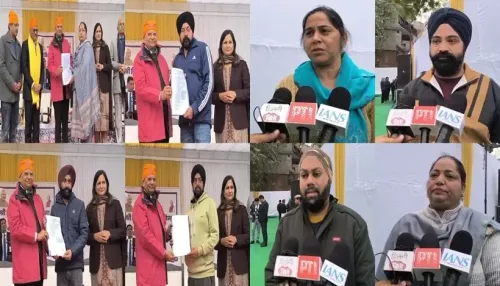
New Delhi, Nov 1 (NationPress) On the 41st anniversary of the 1984 anti-Sikh riots, the Delhi Sikh Gurdwara Management Committee (DSGMC) and the families of victims convened at the “Sach Di Deewar” (Wall of Truth) at Gurdwara Rakab Ganj Sahib in Delhi to light candles and honor the memories of those who perished.
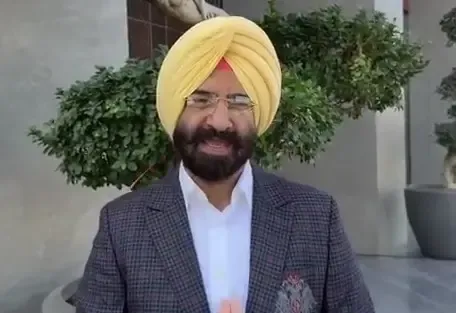
Harmeet Singh Kalka, President of DSGMC, emphasized that the Sikh community has been advocating for justice for over four decades.
“Thousands of Sikhs were burnt alive during the riots 40 years ago. Each year, we conduct this program to commemorate them and reaffirm our demand for justice. This year, we persist in our call for a Truth Commission to ensure justice for all victims. This genocide must be officially acknowledged,” he conveyed to IANS.
Kalka also criticized the Congress party, stating, “Even if Congress apologizes now, it is too late. Rather than delivering justice, they granted positions and Z-plus security to the very leaders who were responsible. There can never be a compromise with Congress on this issue. They are facing the consequences of their actions today.”
He expressed appreciation to Prime Minister Narendra Modi for reopening previously closed cases, including that of Sajjan Kumar, and for establishing a new SIT to ensure accountability.
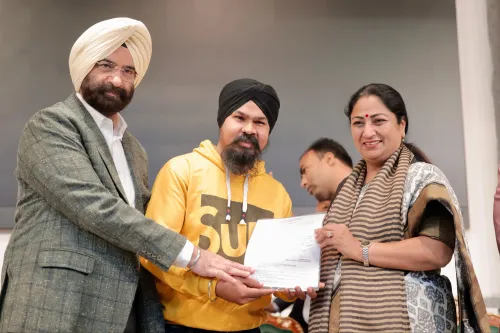
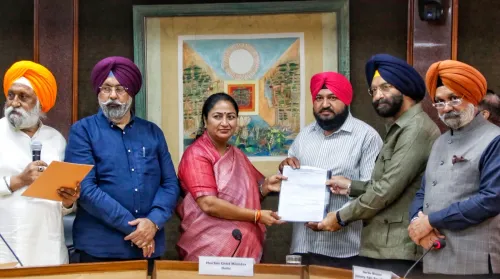
“Currently, Sajjan Kumar is incarcerated, and the government has initiated measures to employ the children of victims through new policies. However, the journey is still long, and we hope the government will guarantee swift justice,” he added.
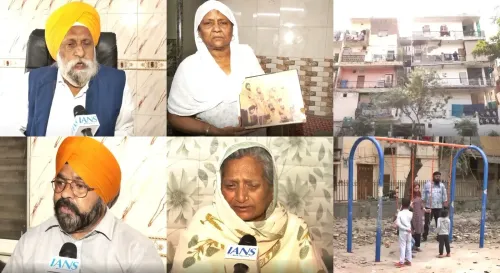
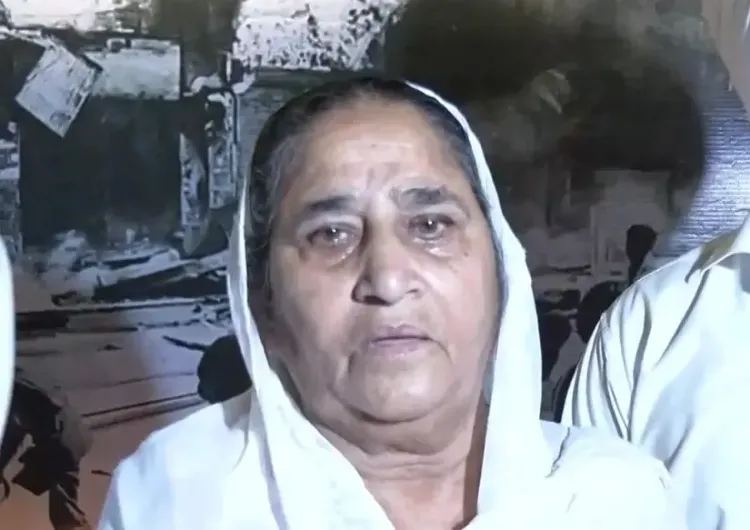
Nirmal Kaur, who lost her father in Trilokpuri, shared, “We continue to endure the pain of 1984. Every November 1, seeing my father’s name on the wall feels like reliving the riots. He was burnt alive before my eyes. Even after 42 years, the wounds remain unhealed. Congress betrayed us. We still pursue justice, attending court every year, yet the government has not acted. Why haven’t Sajjan Kumar or Jagdish Tytler faced punishment?”
Bagi Kaur, another survivor, recounted, “I lost 11 family members in Trilokpuri. After 41 years, justice remains elusive. Congress has never offered an apology. They express remorse, yet in reality, no action has been taken. The widow colonies exist only in name—what support have we received? Our children remain unemployed. We are thankful to the Gurdwara Management Committee for their ongoing support.”
The survivors expressed optimism in the current government, stating, “Congress has stayed silent for decades, but with the BJP in power, we hope our children will secure jobs and our families can finally thrive.”
Point of View
It is imperative to highlight the persistent quest for justice by the survivors of the 1984 anti-Sikh riots. Their resilience and determination, despite the passage of time, underscore the ongoing need for acknowledgment and accountability from those in power.
NationPress
26 Oct 2026
Frequently Asked Questions
What happened during the 1984 anti-Sikh riots?
The 1984 anti-Sikh riots were a series of violent events that occurred in India following the assassination of Prime Minister Indira Gandhi, leading to widespread attacks against the Sikh community.
Why do survivors continue to seek justice?
Survivors seek justice as many perpetrators remain unpunished, and they demand acknowledgment of the genocide and support for the victims' families.
What actions have been taken by the government regarding the riots?
The current government has reopened some cases and established a Special Investigation Team (SIT) to investigate the riots, but many survivors feel justice has yet to be served.
What role does the Delhi Sikh Gurdwara Management Committee play?
The DSGMC advocates for the rights of the Sikh community, organizes memorials, and supports families of victims in their pursuit of justice.
How can the public support the survivors?
The public can support the survivors by raising awareness about their plight, calling for accountability, and advocating for justice and policy changes.