IPL 2026: 240 CCTV Cameras Sabotaged at Chinnaswamy Stadium, 2 Arrested
Synopsis
Two subcontractor employees disabled over 240 CCTV cameras at Bengaluru's Chinnaswamy Stadium during an IPL 2026 match using a deactivated access card — allegedly over Rs 10 lakh in unpaid wages. The brazen daylight sabotage exposed critical gaps in India's stadium surveillance outsourcing model.
Key Takeaways
240+ CCTV cameras at M.
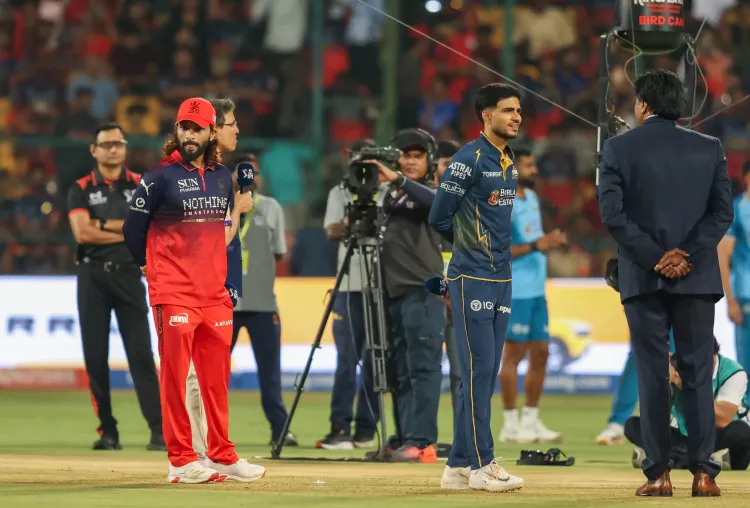
Chinnaswamy Stadium were deliberately disabled on April 24, 2026 , during the RCB vs Gujarat Titans IPL 2026 match.
Accused Manjunath E., 37 (Chitradurga) and Abdul Kalam, 19 (Uttar Pradesh) allegedly used a deactivated access card to enter restricted server rooms and damage NVRs and fibre-optic cables.
The surveillance blackout covered all entry gates, concourse areas, corporate boxes , and the D Corporate Stand — every critical security zone in the stadium.
The accused allegedly acted over unpaid dues of approximately Rs 10 lakh ; police are probing this motive and examining contractor oversight failures.
The complaint was filed by Aditya Bhat of Staqu Technologies Pvt.
Ltd. , a Gurugram-based AI surveillance firm linked to the venue's monitoring systems.
A case is registered at Cubbon Park Police Station ; legal action is sought against both individuals and IVS Digital Solutions as an entity.
Bengaluru, April 27, 2026 — In a shocking security breach during IPL 2026, Bengaluru Police have arrested two individuals for deliberately disabling over 240 CCTV cameras at the M. Chinnaswamy Stadium during the Royal Challengers Bengaluru vs Gujarat Titans match on April 24. The accused allegedly tampered with critical surveillance hardware, triggering a temporary monitoring blackout across key zones of one of India's most iconic cricket venues.
How the Sabotage Unfolded
According to the First Information Report (FIR) filed at Cubbon Park Police Station, the two accused entered the stadium premises at approximately 11:30 AM using a deactivated access card, bypassing standard entry protocols. They then gained unauthorised access to restricted zones, including the CCTV control room, server rooms, and optical fibre connection hubs near the parking area.
Once inside, the duo allegedly damaged Network Video Recorders (NVRs) and severed fibre-optic connections, rendering the entire surveillance network inoperable. The affected cameras covered all entry gates, perimeter zones, concourse areas, corporate boxes, and the D Corporate Stand — essentially every critical security checkpoint within the stadium.
Authorities confirmed that backup security protocols were activated swiftly, and the match proceeded to its conclusion without public disruption. However, the sabotage prevented surveillance data from being shared with relevant agencies — a serious breach of event security compliance.
Who Are the Accused?
Police have identified the arrested individuals as Manjunath E., 37, a resident of Hiriyur, Chitradurga district, and Abdul Kalam, 19, from Uttar Pradesh. Both were employed under a subcontractor linked to IVS Digital Solutions — the firm contracted to manage the stadium's digital surveillance infrastructure.
The complaint was formally lodged by Aditya Bhat, an employee of Staqu Technologies Pvt. Ltd., a Gurugram-based AI surveillance company connected to the stadium's monitoring systems. CCTV footage reportedly captured the suspects moving through sensitive areas, providing key evidence for the FIR.
During interrogation, the accused allegedly told police that the sabotage was motivated by frustration over unpaid dues of approximately Rs 10 lakh owed to them by their employer. Investigators are currently verifying this claim while also probing potential lapses in contractor oversight and access control mechanisms.
Security Implications: A Deeper Look
This incident exposes a critical vulnerability in large-scale event security management in India — the outsourcing of sensitive surveillance infrastructure to multi-layered subcontracting chains. When accountability is diluted across contractors and subcontractors, access control becomes dangerously porous.
Notably, the accused used a deactivated access card to enter restricted zones, raising urgent questions about how frequently access credentials are audited and revoked at major sporting venues. The fact that the breach occurred on a high-profile IPL match day — when security should theoretically be at its peak — makes the lapse even more alarming.
This is not an isolated concern. Stadium security failures have been flagged repeatedly across Indian sporting events, but the systemic use of subcontracted labour for critical digital infrastructure — without robust vetting or access management — remains an industry-wide blind spot. The Board of Control for Cricket in India (BCCI) and venue management authorities may face pressure to review their vendor compliance frameworks in the wake of this incident.
Legal Action and Investigation Status
A case has been registered at Cubbon Park Police Station, with authorities seeking legal action against both the accused individuals and IVS Digital Solutions as an entity. The FIR explicitly requests immediate attention to what police have characterised as a deliberate act of sabotage.
Investigators are examining the full scope of the damage, including whether any surveillance data was compromised or stolen — not merely destroyed. The probe is also looking into whether the deactivated access card was an administrative oversight or part of a deliberate plan to gain entry undetected.
RCB's Remaining IPL 2026 Schedule
In a separate development, Royal Challengers Bengaluru have completed their home leg at M. Chinnaswamy Stadium for IPL 2026. The franchise's remaining home matches are scheduled to be held in Raipur, owing to prior logistical arrangements made by the IPL and franchise management.
As investigations continue, this case is likely to prompt a comprehensive review of surveillance vendor contracts, access card management protocols, and real-time monitoring redundancies at all IPL venues across India — with broader implications for stadium security nationwide ahead of future high-profile events.
Point of View
Armed with a deactivated access card, could walk into server rooms and blind an entire stadium's surveillance network on a packed IPL match day reveals a systemic rot in vendor accountability and access control governance. India's sporting infrastructure boom has outpaced its security frameworks, and the multi-layered subcontracting model — where critical digital systems are handed down through opaque contractor chains — is a vulnerability that bad actors, or even disgruntled employees, can exploit with alarming ease. The BCCI and IPL franchise management cannot treat this as a one-off incident; it demands a fundamental audit of who holds the keys — physical and digital — to India's premier sports venues.
NationPress
2 Oct 2026
Frequently Asked Questions
What happened at Chinnaswamy Stadium during the RCB vs GT IPL 2026 match?
Over 240 CCTV cameras at M. Chinnaswamy Stadium were deliberately disabled on April 24, 2026, during the RCB vs Gujarat Titans IPL match. Two subcontractor employees allegedly damaged Network Video Recorders and fibre-optic connections, causing a surveillance blackout across key security zones.
Who were arrested for sabotaging CCTV cameras at Chinnaswamy Stadium?
Bengaluru Police arrested Manjunath E., 37, from Hiriyur in Chitradurga, and Abdul Kalam, 19, from Uttar Pradesh. Both were working under a subcontractor linked to IVS Digital Solutions, the firm responsible for the stadium's surveillance infrastructure.
Why did the accused sabotage the CCTV system at Chinnaswamy Stadium?
The accused allegedly told police the act was motivated by frustration over unpaid dues of approximately Rs 10 lakh owed to them. Police are investigating this claim while also examining lapses in contractor oversight and access management.
How did the accused gain access to restricted areas at Chinnaswamy Stadium?
The two individuals reportedly used a deactivated access card to enter the stadium around 11:30 AM and access restricted zones including the CCTV control room, server rooms, and fibre connection hubs. This has raised serious questions about access credential auditing at the venue.
What legal action has been taken in the Chinnaswamy Stadium CCTV sabotage case?
A case has been registered at Cubbon Park Police Station in Bengaluru. Legal action has been sought against both the accused individuals and IVS Digital Solutions as an entity, with investigations ongoing into the full extent of the damage and any data compromise.