Delhi Assembly Speaker nominates 3 MLAs to Delhi Jal Board
Synopsis
Delhi's Assembly Speaker has brought three sitting MLAs directly into the Delhi Jal Board — including a new Vice Chairman — as the capital battles its perennial summer water crisis. The move signals a push for greater political accountability at a utility long criticised for supply gaps and distribution failures.
Key Takeaways
Delhi Assembly Speaker Vijender Gupta nominated three MLAs to the Delhi Jal Board on 18 May 2025 .
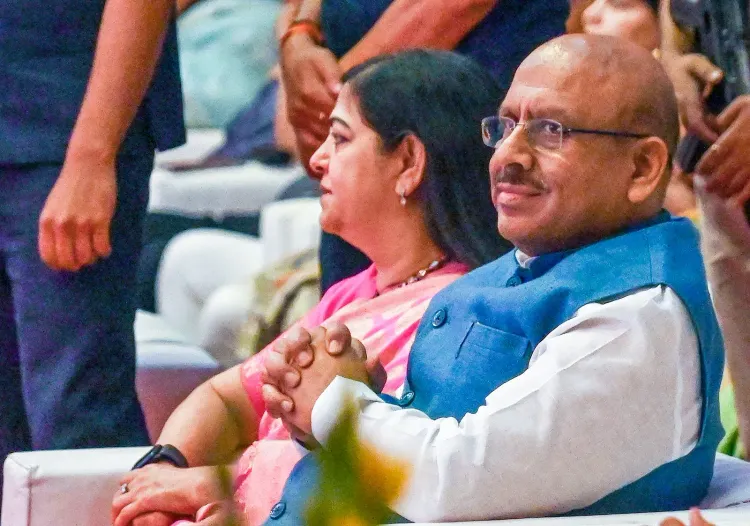
MLA Satish Upadhyay (Malviya Nagar) has been appointed Vice Chairman of the DJB.
MLA Manoj Kumar Shokeen (Nangloi Jat) and MLA Ajay Kumar Mahawar (Ghonda) join as Board Members .
Chief Minister Rekha Gupta recently reviewed the city's summer water management plan and directed all nine major treatment plants to operate at peak capacity.
Officials have been warned that negligence in water supply or complaint resolution will invite strict action.
Delhi Assembly Speaker Vijender Gupta on Monday, 18 May announced the nomination of three legislators to the Delhi Jal Board (DJB), a move aimed at strengthening the utility's governance and improving its responsiveness to public concerns over water supply in the capital.
Who Has Been Nominated
MLA Satish Upadhyay from Malviya Nagar has been nominated as Vice Chairman of the Delhi Jal Board. MLA Manoj Kumar Shokeen from Nangloi Jat and MLA Ajay Kumar Mahawar from Ghonda have been nominated as Members of the Board. A formal order to this effect has been issued by the Delhi Legislative Assembly Secretariat.
What the Speaker Said
Speaker Gupta expressed confidence that the newly-nominated representatives would bring meaningful public experience and institutional understanding to the DJB. He noted that sustained policy attention, coordinated governance, and active public participation would remain essential in building a more water-secure and environmentally resilient Delhi in the years ahead.
Chief Minister's Water Management Review
The nominations come shortly after Chief Minister Rekha Gupta reviewed the city's water management plan for the summer months at a meeting held at the Secretariat. She directed officials to ensure no lapse in supply or response during peak demand and warned that negligence would invite strict action.
'Our focus is not limited to immediate relief. We are simultaneously working on long-term solutions to free Delhi from recurring drinking water shortages,' the Chief Minister said.
The meeting was attended by Water Minister Parvesh Verma, Chief Secretary Rajeev Verma, and senior DJB officials.
Treatment Plants Directed to Run at Peak Capacity
As part of summer preparedness, all major water treatment plants — including Sonia Vihar, Bhagirathi, Chandrawal, Wazirabad, Haiderpur, Nangloi, Okhla, Bawana, and Dwarka — have been directed to operate at peak capacity. The Delhi government has tightened monitoring at every level to maintain a smooth and balanced supply across the city.
What This Means for Delhi's Water Crisis
Delhi has historically faced acute water shortages during summer, with demand frequently outstripping supply from the Yamuna and canal-fed treatment plants. The induction of elected legislators into the DJB is intended to bring greater political accountability to a board that has long faced criticism over distribution inefficiencies and tanker dependency in underserved colonies. Whether the new nominees can translate legislative experience into operational improvements at the utility level remains to be seen.
Point of View
Tanker mafias, and billing disputes. The real question is whether legislative presence translates into operational accountability or simply adds a layer of political insulation to an already opaque board. Delhi's water crisis is structural: demand consistently outpaces treated supply, and no number of board reshuffles has resolved the city's dependence on groundwater depletion and tanker distribution. The appointments deserve scrutiny on whether they come with clear performance mandates or are simply a governance optic ahead of peak summer stress.
NationPress
2 Oct 2026
Frequently Asked Questions
Which MLAs have been nominated to the Delhi Jal Board?
MLA Satish Upadhyay from Malviya Nagar has been nominated as Vice Chairman, while MLA Manoj Kumar Shokeen from Nangloi Jat and MLA Ajay Kumar Mahawar from Ghonda have been nominated as Members of the Delhi Jal Board. The order was issued by the Delhi Legislative Assembly Secretariat on 18 May 2025.
Why has the Delhi Assembly Speaker nominated MLAs to the DJB?
Speaker Vijender Gupta stated the nominations are intended to strengthen the DJB's functioning and improve its responsiveness to public concerns. The move brings elected representatives with direct constituency experience into the board's governance structure.
What is the Delhi government doing to address summer water shortages?
Chief Minister Rekha Gupta has directed all nine major water treatment plants — including Sonia Vihar, Wazirabad, and Haiderpur — to operate at peak capacity. She has also warned officials that negligence in supply or complaint response will invite strict action, and stressed that long-term solutions to recurring shortages are being pursued simultaneously.
Who attended the Chief Minister's water management review meeting?
The meeting at the Secretariat was attended by Water Minister Parvesh Verma, Chief Secretary Rajeev Verma, and senior officials of the Delhi Jal Board.
What is the Delhi Jal Board?
The Delhi Jal Board is the primary agency responsible for water supply and sewerage services in Delhi. It operates multiple water treatment plants across the city and has historically faced criticism over distribution inefficiencies, tanker dependency, and supply shortfalls during peak summer months.