Karbi Anglong Peace Accord: 5 years on, Himanta Sarma credits Modi, Shah
Synopsis
Five years after the Karbi Anglong Peace Accord ended decades of armed conflict in one of Assam's largest districts, CM Himanta Biswa Sarma is crediting Modi and Shah with a transformation that turned a conflict zone into an emerging development corridor — and the real test now is whether that peace dividend has reached ordinary residents.
Key Takeaways
Assam CM Himanta Biswa Sarma marked the fifth anniversary of the Karbi Anglong Peace Accord on 4 September .
The accord was signed in September 2021 between the Centre , the Assam government , and representatives of Karbi armed groups.
Sarma credited PM Narendra Modi and Home Minister Amit Shah with a decisive role in ending decades of insurgency in the region.
The Chief Minister said people of Karbi Anglong have become equal stakeholders in Assam's development journey.
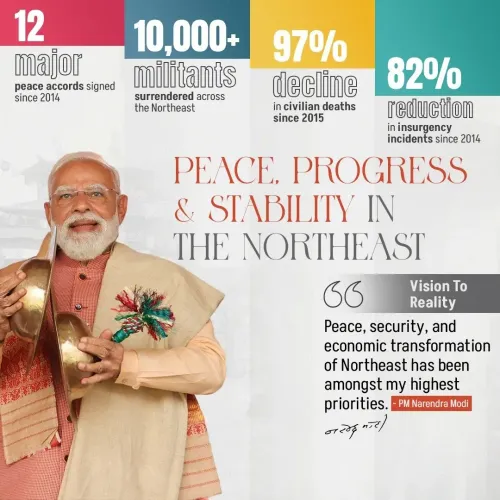
The accord is one of several Northeast peace settlements facilitated under the Modi government , alongside Bodo, Bru-Reang, and NLFT agreements.
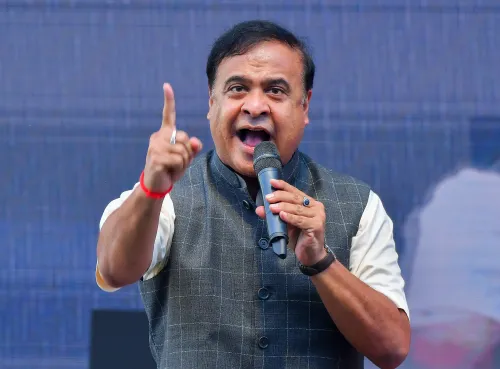
Assam Chief Minister Himanta Biswa Sarma on Friday, 4 September marked five years since the signing of the Karbi Anglong Peace Accord, crediting Prime Minister Narendra Modi and Union Home Minister Amit Shah with a decisive role in ending decades of armed conflict in the region. Sarma described the accord as a turning point that transformed Karbi Anglong from a zone of prolonged violence into an area now open to development and economic opportunity.
What Sarma Said
In a post on X, the Chief Minister recalled that calm had returned to a region long marked by unrest. 'Five years back on this day, with the Karbi Anglong Peace Accord, calm returned to a region often marked by violence and unrest,' Sarma wrote. He said the accord was more than a conventional peace agreement — it had opened pathways for development and allowed people to pursue livelihoods closer to their homes.
Sarma said the people of Karbi Anglong had become 'equal stakeholders' in Assam's broader development journey, and expressed confidence that the region would continue to benefit from the peace framework established five years ago. He added that the contribution of Modi and Shah would be remembered prominently when the state's history is studied in the future.
Background: The 2021 Accord
The Karbi Anglong Peace Accord was signed in September 2021 between the Centre, the Assam government, and representatives of multiple Karbi armed groups. Its primary objective was to end decades of insurgency and create a framework for political stability and accelerated development in the hill district. The accord was notable for bringing together several factions that had previously operated as separate armed outfits.
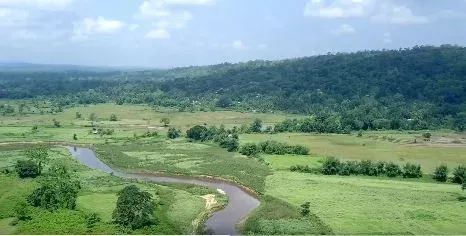
Karbi Anglong, one of Assam's largest districts by area, had witnessed sustained conflict for years, with communities bearing the brunt of displacement and economic stagnation. The accord offered a structured path toward reintegration and governance participation for former combatants.
Peace Dividend: What Has Changed
Sarma said the benefits of sustained peace were now visible on the ground — opportunities had returned, and people were increasingly able to build their futures within their home state rather than migrating elsewhere. He credited what he described as the 'hands-on approach' of both Modi and Shah as instrumental in resolving longstanding and complex challenges in the region.
This comes amid Assam's broader push to integrate formerly conflict-affected districts into its economic growth story, with the state government positioning peace as a prerequisite for infrastructure investment and industrial activity in its hill areas.
Significance at the Five-Year Mark
The fifth anniversary of the accord marks a moment of stock-taking for a region that once featured regularly in conflict indices. Notably, the accord is one of several Northeast peace settlements facilitated during the Modi government's tenure, alongside agreements covering Bodo, Bru-Reang, and NLFT groups. Assam's leadership has consistently framed these settlements as evidence of the Centre's commitment to durable peace over short-term political arrangements.
As the state marks this milestone, the focus now shifts to whether the development dividends promised under the accord's framework have reached ordinary residents of Karbi Anglong — a question that will shape political narratives in the region ahead of future electoral cycles.
Point of View
Bringing multiple factions to the table, but five years on, the harder question is whether development has followed the ceasefire. Infrastructure gaps and economic migration from hill districts remain real. Celebrating peace is necessary; auditing its dividends is overdue.
NationPress
19 Oct 2026
Frequently Asked Questions
What is the Karbi Anglong Peace Accord?
The Karbi Anglong Peace Accord is an agreement signed in September 2021 between the Centre, the Assam government, and representatives of several Karbi armed groups, aimed at ending decades of insurgency and creating a framework for political stability and development in Karbi Anglong district.
Why is the fifth anniversary of the Karbi Anglong accord significant?
The fifth anniversary marks five years of sustained peace in a region that had witnessed prolonged armed conflict and displacement. Assam CM Himanta Biswa Sarma used the occasion to assess the peace dividend and credit the central government's role in the settlement.
What role did PM Modi and Amit Shah play in the Karbi Anglong accord?
According to CM Sarma, both PM Narendra Modi and Home Minister Amit Shah took a hands-on approach in resolving complex issues and facilitating the accord. Sarma said their contribution would be remembered prominently in Assam's history.
How has Karbi Anglong changed since the 2021 peace accord?
According to CM Sarma, people of Karbi Anglong are now able to pursue economic opportunities closer to home and participate more actively in Assam's growth. The region, once marked by violence and displacement, has seen a return of development activity, though independent assessments of the full impact remain limited.
What other Northeast peace accords have been signed under the Modi government?
Alongside the Karbi Anglong accord, the Modi government has facilitated peace settlements with Bodo groups, Bru-Reang communities, and the National Liberation Front of Tripura (NLFT), as part of a broader strategy to resolve longstanding insurgencies across Northeast India.