Karbi Peace Accord at 4: Assam CM marks shift from insurgency to peace
Synopsis
Four years after armed cadres laid down weapons and the Centre inked a landmark deal, Assam CM Himanta Biswa Sarma used the Karbi Peace Accord's anniversary to underscore what dialogue achieved where conflict could not — autonomy, rehabilitation, and development for Karbi Anglong, without redrawing Assam's map.
Key Takeaways
Assam CM Himanta Biswa Sarma marked the 4th anniversary of the Karbi Peace Accord on 4 September 2025 .
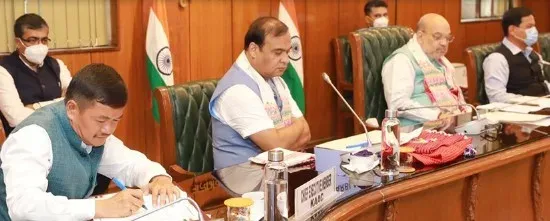
The accord was originally signed on 4 September 2021 in New Delhi between the Centre , Assam government, and representatives of Karbi armed organisations.
Key provisions included rehabilitation of armed cadres, expanded powers for the Karbi Anglong Autonomous Council , and a special development package.
Hundreds of militants from various Karbi outfits laid down arms and joined the mainstream following the agreement.
Sarma reaffirmed the government's commitment to development in the region while protecting the Karbi community's distinct cultural identity.
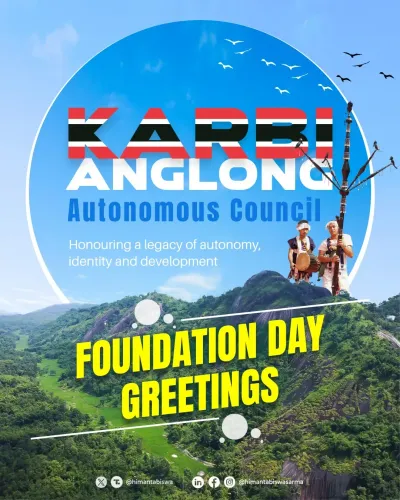
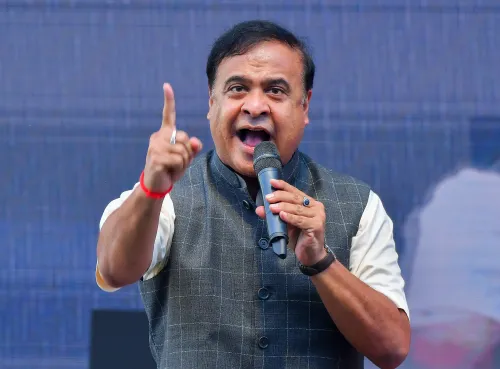
Assam Chief Minister Himanta Biswa Sarma on Friday, 4 September marked the fourth anniversary of the Karbi Peace Accord, calling it a defining moment that reshaped the socio-political fabric of Assam and opened a new chapter of stability and development in the Karbi Anglong region. The accord, signed on 4 September 2021 in New Delhi, remains one of the most significant conflict-resolution agreements in the state's post-independence history.
What Sarma Said
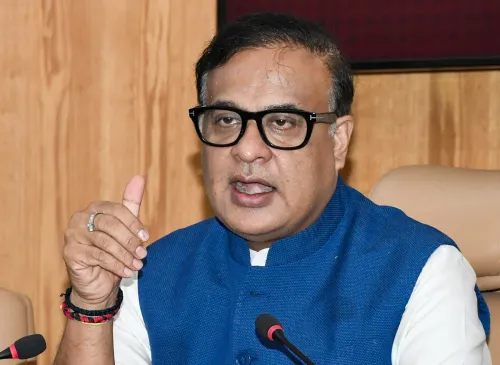
Marking the anniversary in a post on X, Sarma described the accord as 'a pivotal milestone that forever transformed the socio-political landscape of Assam and turned a page from conflict to lasting harmony.' He credited the agreement with addressing the long-standing aspirations of the Karbi people without compromising Assam's territorial integrity — a politically sensitive balance that had eluded earlier negotiations.
'As Karbi Anglong marches ahead on the path of prosperity, we salute the spirit of peace and unity that made this agreement possible. A shining example of how dialogue builds a resilient future,' Sarma said.
What the Accord Delivered
The Karbi Peace Accord was signed between the Centre, the Assam government, and representatives of multiple Karbi armed organisations, ending years of insurgency and violence in the hill districts. Its key provisions included the rehabilitation and resettlement of armed cadres, expanded administrative and political powers for the Karbi Anglong Autonomous Council, and a dedicated special development package for the region.
Following the agreement, hundreds of cadres from various Karbi militant outfits laid down arms and entered the mainstream peace process. The settlement was structured to bring former combatants into constitutional frameworks rather than pursue purely punitive measures — an approach that analysts have noted as a departure from earlier counter-insurgency templates in the Northeast.
Broader Impact on Karbi Anglong
Sarma highlighted that the accord had unlocked tangible gains for the region, spanning infrastructure development, targeted tribal welfare programmes, and new avenues for youth employment, arts, and local entrepreneurship. The Assam government has reiterated its commitment to the rapid development of Karbi Anglong while safeguarding the community's distinct cultural identity.
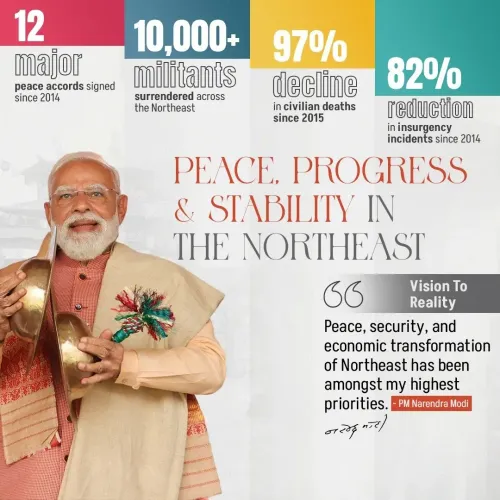
Notably, the accord is seen as part of a broader pattern of peace settlements in India's Northeast, where dialogue-led processes have progressively replaced prolonged armed conflicts. This is among several such agreements that have sought to mainstream insurgent groups through constitutional guarantees rather than military resolution alone.
What Lies Ahead
With the fourth anniversary now marked, attention will turn to implementation — particularly the pace of the special development package and the extent to which rehabilitated cadres have been integrated into civilian life. Advocacy groups representing the Karbi community have consistently called for faster delivery of promised benefits, and the anniversary provides a natural checkpoint for accountability on those commitments.
Point of View
But anniversary commemorations risk substituting symbolism for accountability. Four years on, the harder questions are whether the special development package has been disbursed at the promised pace, how many rehabilitated cadres have found sustainable livelihoods, and whether the expanded Karbi Anglong Autonomous Council powers have translated into measurable self-governance. The Northeast has a pattern of landmark accords that fade into bureaucratic inertia — Bodo, Naga, Mizo. The Karbi accord's true test is not the anniversary speech but the implementation ledger, which remains largely unaudited in public discourse.
NationPress
19 Oct 2026
Frequently Asked Questions
What is the Karbi Peace Accord?
The Karbi Peace Accord is a conflict-resolution agreement signed on 4 September 2021 in New Delhi between the Centre, the Assam government, and representatives of multiple Karbi armed organisations. It ended years of insurgency in the Karbi Anglong region by offering rehabilitation for cadres, greater autonomy for the Karbi Anglong Autonomous Council, and a special development package.
Why is the Karbi Peace Accord significant?
The accord is significant because it resolved a prolonged armed conflict in Assam's hill districts through dialogue and constitutional mechanisms rather than military force alone. It addressed long-standing Karbi community aspirations while preserving Assam's territorial integrity, making it one of the most notable peace settlements in India's Northeast.
What happened to Karbi militants after the accord?
Following the signing of the accord, hundreds of cadres from various Karbi militant outfits laid down their arms and formally entered the mainstream peace process. The agreement provided for their rehabilitation and resettlement as a core condition.
What development benefits did Karbi Anglong receive under the accord?
The accord included a special development package for Karbi Anglong, along with expanded administrative and political powers for the Karbi Anglong Autonomous Council. The Assam government has also linked the agreement to infrastructure projects, tribal welfare programmes, and support for youth employment and local entrepreneurship.
Who signed the Karbi Peace Accord?
The accord was signed on 4 September 2021 in New Delhi by representatives of the Centre, the Assam state government, and leaders of several Karbi armed organisations that had been active in the Karbi Anglong region.