500 terrorists at PoK launchpads as Pakistan preps winter J&K push
Synopsis
Indian intelligence has flagged roughly 500 terrorists massed at PoK launchpads — armed with Siachen-grade gear supplied by the Pakistan Army and guided by real-time drone surveillance. The push, timed to exploit the winter lull, suggests Pakistan is trying to reopen an infiltration window that tight border security has kept largely shut for 18 months.
Key Takeaways
Indian intelligence agencies estimate nearly 500 terrorists are staged at Pakistan-occupied Kashmir (PoK) launchpads ahead of a winter infiltration attempt into Jammu and Kashmir .
Terrorists have been divided into groups of three to four to evade detection, drawn from Jaish-e-Mohammed , Lashkar-e-Taiba , and Hizbul Mujahideen .
The Pakistan Army has reportedly provided terror groups with high-altitude gear used at Siachen , enabling potential infiltration even during peak winter.
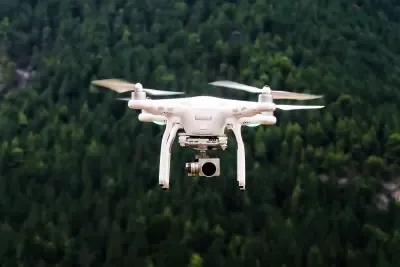
Pakistan is allegedly using drones to map routes and supply real-time intelligence on Indian Army movements to the groups.
Officials link the escalation to severe internal unrest in Khyber Pakhtunkhwa , PoK , and Balochistan , suggesting a possible diversionary motive.
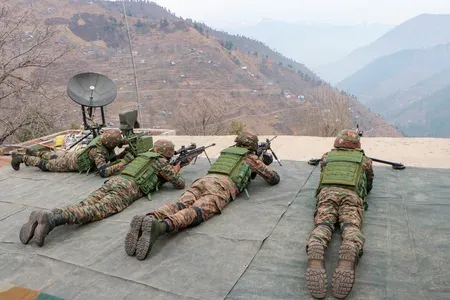
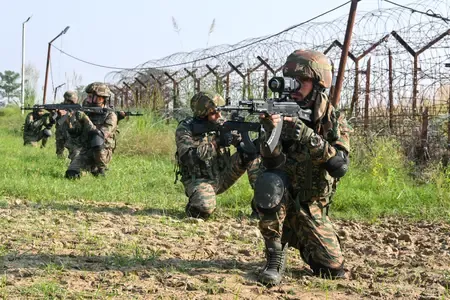
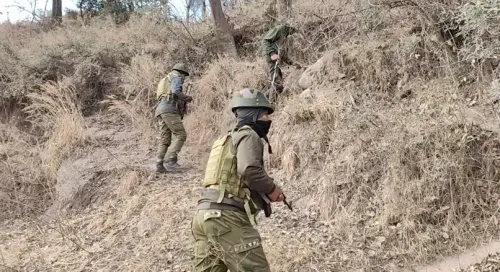
The Indian Army is on very high alert and has taken stringent countermeasures along the Line of Control .
Indian intelligence agencies have estimated that nearly 500 terrorists are currently staged at launchpads in Pakistan-occupied Kashmir (PoK), with the Pakistan Army reportedly equipping them with high-altitude gear and real-time surveillance support ahead of a planned infiltration push into Jammu and Kashmir. The warning, issued on 15 October 2026, comes as tight border security has frustrated repeated infiltration bids over the past year and a half.
Scale and Structure of the Threat
According to officials familiar with the intelligence inputs, the approximately 500 terrorists at PoK launchpads have been deliberately split into small groups of three to four personnel to minimise the risk of detection by Indian security forces. The groups are drawn from proscribed organisations including Jaish-e-Mohammed, Lashkar-e-Taiba, and Hizbul Mujahideen.
An Intelligence Bureau official said the desperation at the launchpads has been building. 'The winter is closing in, and the desperation is only increasing as several attempts that have been made in the last one and a half years have failed owing to tight border security,' the official said.
Pakistan Army's Direct Role
In a significant escalation of state-level support, Indian security agencies have reportedly established that the Pakistan Army has provided these terror groups with high-altitude gear — equipment the Pakistani military itself deploys at Siachen — to enable infiltration during peak winter conditions. This marks a departure from earlier years when the option was reportedly considered but not executed.
Beyond gear, several Pakistani army personnel have been posted near the launchpads to coordinate logistics. Terrorists are also reportedly receiving real-time intelligence on Indian troop movements to help them time their crossing attempts. Officials added that drones are being used extensively by Pakistan to map infiltration routes and track Indian Army deployments along the Line of Control.
The Winter Window and Strategic Calculus
Infiltration attempts historically drop sharply in December as heavy snowfall renders high-altitude routes impassable. Terror groups have typically sought to push fighters across before the onset of winter. This year, however, officials say the provision of specialised gear suggests a deliberate attempt to keep the infiltration window open through the peak winter months — a period when Indian security forces are expected to let their guard down.
Another official cautioned that the surge in launchpad activity could also serve as a smokescreen, designed to stretch Indian security resources along multiple potential crossing points simultaneously. 'One has to account for the possibility that not all activity translates into actual crossing attempts,' the official noted.
Pakistan's Internal Pressures as a Driver
Officials link the urgency of this push to severe internal security challenges facing Pakistan. Unrest in Khyber Pakhtunkhwa (KP), PoK, and Balochistan has put Islamabad under mounting domestic pressure. According to intelligence assessments, Pakistan may be seeking to divert attention from these internal fault lines by escalating cross-border activity. Successful infiltrations and subsequent attacks in Jammu and Kashmir could shift regional focus away from Pakistan's internal turmoil.
Indian Army on High Alert
The Indian Army has moved to a state of very high alert following these inputs. Stringent countermeasures have been put in place along the border. Security agencies have also stepped up anti-drone operations and surveillance grid deployments to counter Pakistan's use of drone technology for route mapping.
With winter deepening and the infiltration window narrowing, the coming weeks are expected to be a period of heightened vigilance along the Line of Control — and a decisive test of whether sustained border hardening can continue to blunt Pakistan's infiltration calculus.
Point of View
But drone-assisted route mapping and winter-capable equipment are specifically designed to erode that advantage. The internal-unrest-as-driver argument is analytically sound: Pakistan has historically exported instability when domestic pressure peaks. What is underreported is the drone dimension — if Pakistan can provide real-time troop-movement data to infiltrating groups, the intelligence asymmetry along the LoC narrows in ways that force India to upgrade its counter-surveillance posture, not just its physical barriers.
NationPress
15 Oct 2026
Frequently Asked Questions
How many terrorists are reportedly waiting at PoK launchpads?
Indian intelligence agencies estimate that nearly 500 terrorists are currently staged at launchpads in Pakistan-occupied Kashmir, split into small groups of three to four to avoid detection by Indian security forces.
Which terror groups are involved in the planned infiltration?
The terrorists reportedly belong to three proscribed organisations — Jaish-e-Mohammed, Lashkar-e-Taiba, and Hizbul Mujahideen. All three have historically operated along the Jammu and Kashmir border with Pakistan's support.
Why is Pakistan attempting a winter infiltration push this year?
Officials say desperation has grown after repeated failed attempts over the past eighteen months due to tight Indian border security. The Pakistan Army has provided high-altitude gear to keep the infiltration window open even during peak winter, when heavy snowfall normally halts such attempts. Officials also link the push to Pakistan's need to divert attention from internal unrest in Khyber Pakhtunkhwa, PoK, and Balochistan.
What role is the Pakistan Army playing in the infiltration attempt?
According to Indian intelligence inputs, the Pakistan Army has supplied terror groups with high-altitude gear used at Siachen, posted army personnel near launchpads to assist logistics, and is using drones to map routes and relay real-time information on Indian troop movements to the infiltrating groups.
How is India responding to the threat?
The Indian Army is on a state of very high alert following the intelligence inputs and has put stringent countermeasures in place along the Line of Control. Security agencies have also ramped up anti-drone operations and enhanced surveillance to counter Pakistan's use of drone technology for route mapping.