5.7-magnitude quake hits Kumamoto, Japan warns of aftershocks for a week
Synopsis
A 5.7-magnitude earthquake rattled Kumamoto Prefecture at 2:22 am on 19 November, triggering evacuation orders, halting eight Shinkansen services and stranding 5,600 passengers. Coming just months after a deadly magnitude-7.1 quake killed over 30 in the same region, the JMA's one-week aftershock alert signals that southwestern Japan's seismic crisis is far from over.
Key Takeaways
A 5.7-magnitude earthquake struck Kumamoto Prefecture , Japan at approximately 2:22 am local time on 19 November 2026 .
The JMA urged residents to remain vigilant for up to one week , warning that a quake of similar intensity could follow.
Evacuation orders were issued in Minamata and Kuma ; eight Kyushu Shinkansen services were suspended, affecting around 5,600 passengers .
The quake registered lower 5 on Japan's 0–7 seismic intensity scale ; no tsunami warning was issued.
The same prefecture was struck by a magnitude-7.1 quake on 28 July that killed more than 30 people .
Thursday's tremor was the first in Kumamoto to register intensity 5 or higher since 1 August .
A 5.7-magnitude earthquake struck Kumamoto Prefecture in southwestern Japan at approximately 2:22 am local time on Thursday, 19 November 2026, prompting the Japan Meteorological Agency (JMA) to urge residents to remain on high alert for at least a week, as a tremor of comparable intensity could follow. No tsunami warning was issued.
Key Details of the Quake
The epicentre was located in the Amakusa-Ashikita region of Kumamoto Prefecture, at a depth of approximately 10 km. The quake registered a lower 5 on Japan's seismic intensity scale — which runs from 0 to 7 — in several parts of the prefecture. Tremors were felt across Kyushu, Japan's southwestern main island, and extended as far as parts of Shikoku and Honshu, according to the JMA.
Evacuations and Transport Disruptions
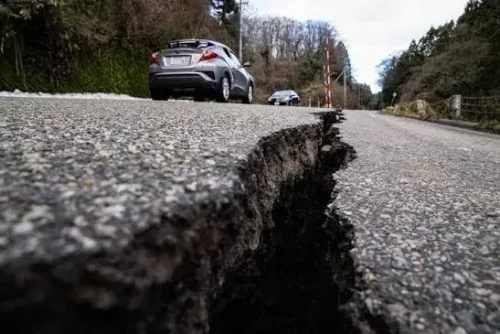
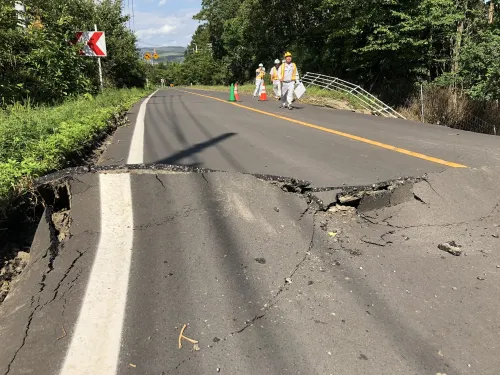
The municipal governments of Minamata and Kuma issued evacuation orders in response to the tremor. Eight Kyushu Shinkansen bullet train services running between Hakata and Kagoshima-Chuo stations were suspended, affecting approximately 5,600 passengers, according to JR Kyushu. Local media reported burst water pipes and localised flooding on roads in affected areas.
Kumamoto's Recent Seismic History
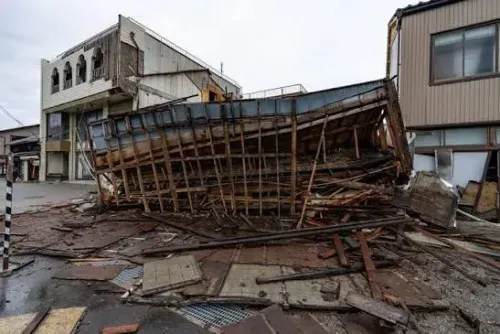
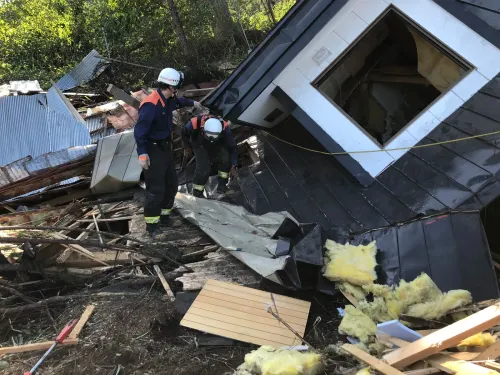
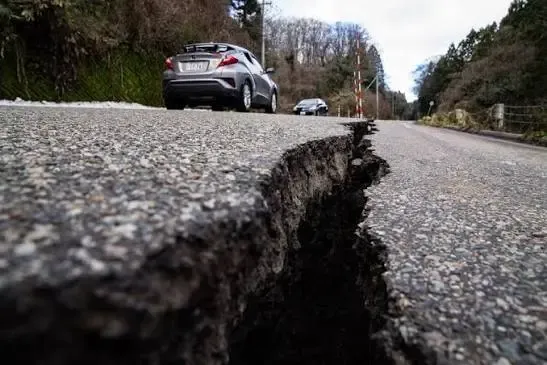
This is the first earthquake in the prefecture to register an intensity of 5 or higher since 1 August. The region has endured significant seismic activity in recent months — a magnitude-7.1 earthquake struck Kumamoto on 28 July, registering the maximum intensity of 7 on Japan's scale in some areas, killing more than 30 people and causing widespread damage, including the collapse of a smokestack at a paper mill.
Broader Seismic Context
Japan sits on the Pacific Ring of Fire and regularly records hundreds of earthquakes each year. Notably, in August, at least 37 people were injured after a 5.9-magnitude quake struck Ibaraki Prefecture, northeast of Tokyo, disrupting train services in the Kanto region and bursting water pipes across Tokyo and neighbouring areas. The JMA's advisory of continued vigilance reflects a well-established pattern of seismic clustering in the weeks following significant tremors.
What Authorities Are Watching
The JMA has advised residents across affected zones to stay alert for roughly one week, check the structural integrity of their homes, and follow evacuation guidance from local authorities. Emergency response teams remain on standby as authorities assess the full extent of damage.
Point of View
And a second significant quake within months compounds both humanitarian and infrastructure risk. Japan's early-warning and evacuation machinery performed as designed, but the broader concern is structural: homes and public infrastructure weakened by July's quake may be more vulnerable to even moderate aftershocks. The JMA's one-week advisory is precautionary protocol, yet given the region's recent history, authorities and residents have strong reason to treat it seriously rather than routinely.
NationPress
19 Nov 2026
Frequently Asked Questions
What happened in Kumamoto, Japan on 19 November 2026?
A 5.7-magnitude earthquake struck Kumamoto Prefecture in southwestern Japan at around 2:22 am local time, with its epicentre in the Amakusa-Ashikita region at a depth of about 10 km. The Japan Meteorological Agency issued a week-long aftershock alert and no tsunami warning was raised.
Is there a tsunami warning after the Kumamoto earthquake?
No. The Japan Meteorological Agency confirmed that no tsunami warning was issued following the 5.7-magnitude quake on 19 November 2026.
How many people were affected by train suspensions?
Approximately 5,600 passengers were affected after JR Kyushu suspended eight Kyushu Shinkansen bullet train services between Hakata and Kagoshima-Chuo stations following the earthquake.
How does this quake compare to Kumamoto's recent seismic activity?
It is the first earthquake in the prefecture to register an intensity of 5 or higher on Japan's scale since 1 August 2026. Before that, a far more destructive magnitude-7.1 quake struck on 28 July, killing more than 30 people and causing extensive damage across the region.
What should residents in Kumamoto do after the earthquake?
The JMA has advised residents to stay alert for approximately one week, as another earthquake of similar or greater intensity could occur. Local authorities in Minamata and Kuma have issued evacuation orders, and residents are urged to follow official guidance and check the structural safety of their homes.