Kumamoto earthquake kills 13: Japan PM Takaichi confirms toll
Synopsis
A magnitude 7.1 earthquake has killed at least 13 people in Kumamoto Prefecture, with thousands displaced and rescue teams still racing to reach survivors trapped inside a shopping mall and a paper mill. Japan PM Takaichi has deployed over 8,000 combined personnel — and the full toll is not yet known.
Key Takeaways
A magnitude 7.1 earthquake struck Kumamoto Prefecture on Tuesday, 29 July at 4:27 pm local time , at a depth of 10 kilometres .
Japanese PM Sanae Takaichi confirmed 13 deaths , with extensive building collapses, fires, and road damage reported.
Approximately 7,700 people are sheltering across around 450 evacuation centres .
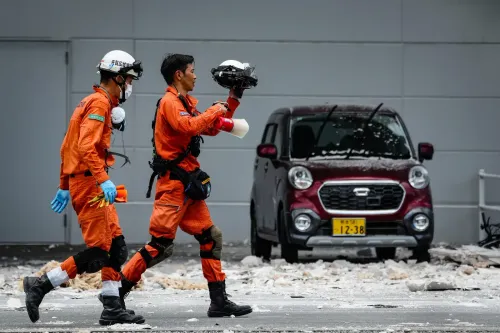
Self-Defence Forces reinforced to 4,600 personnel ; police to 2,000 ; fire services to 1,400 .
Survivors are still awaiting rescue at ION Mall Kumamoto and Nippon Paper Yatsushiro Mill .
Authorities are monitoring 'economy class syndrome' risk among residents sheltering in vehicles.
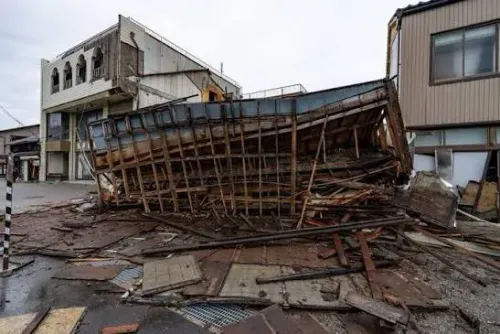
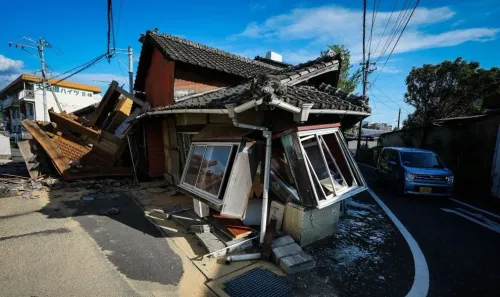
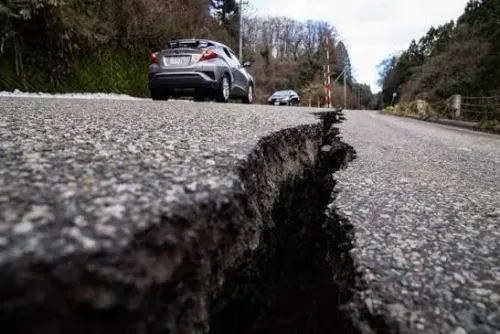
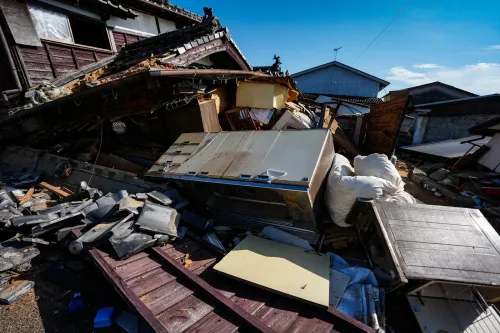
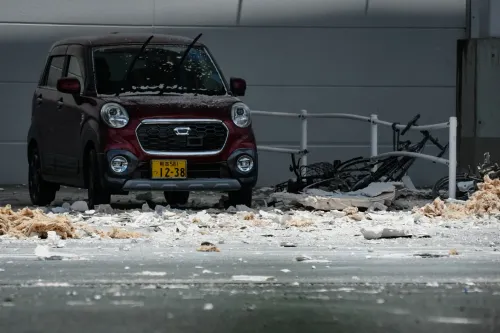
Japanese Prime Minister Sanae Takaichi on Wednesday, 29 July confirmed that 13 people were killed after a magnitude 7.1 earthquake struck Kumamoto Prefecture, triggering widespread building collapses, fires, road damage, and human injuries. The tremor, which hit at 4:27 pm local time on Tuesday at a depth of 10 kilometres, is among the most destructive to strike the region in recent years.
Scale of the Disaster
According to Japan's Meteorological Agency, the quake's shallow depth amplified surface shaking, contributing to the extensive structural damage reported across Kumamoto. Evacuation shelters have been established at approximately 450 locations, with around 7,700 people currently taking refuge. A significant number of displaced residents are reportedly sheltering in their vehicles — a phenomenon authorities have flagged as 'vehicle camping' — raising concerns about 'economy class syndrome' from prolonged immobility.
Rescue Operations in Full Force
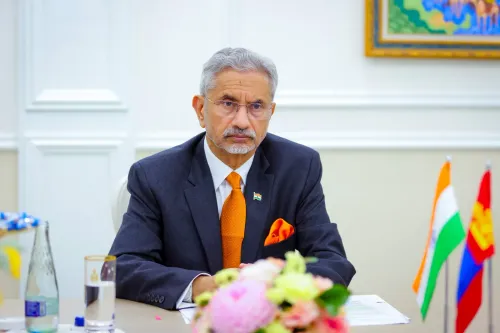
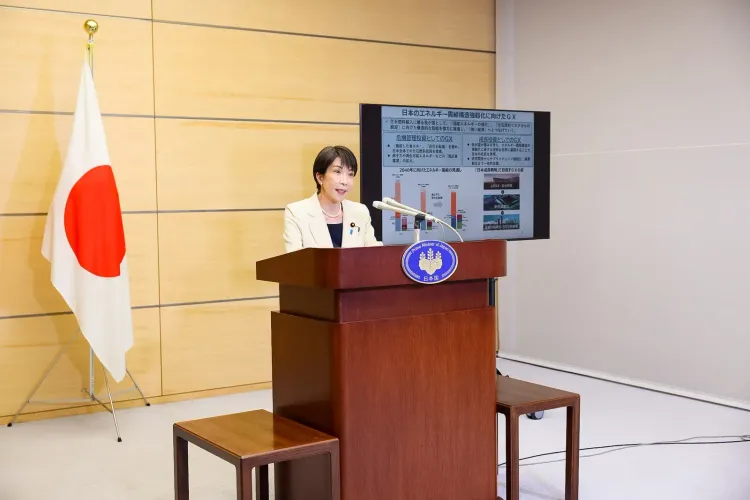
The Second Extraordinary Disaster Countermeasures Headquarters Meeting was convened by Takaichi on Wednesday, attended virtually by Kumamoto Prefecture Governor Kimura and Deputy Minister Tsushima of the Cabinet Office. Following the meeting, Takaichi posted on X that the Self-Defence Forces have been reinforced to approximately 4,600 personnel, the police to approximately 2,000, and fire services to approximately 1,400. 'Search and rescue operations are a race against time,' she wrote, noting that people remain trapped at sites including 'ION Mall Kumamoto' and the 'Nippon Paper Yatsushiro Mill.'
What the Government Said
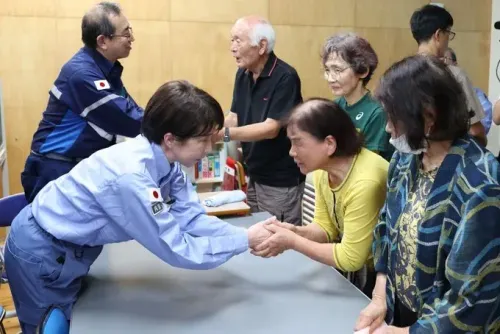
Takaichi offered condolences to victims and bereaved families, and assured that relevant ministries and agencies are coordinating initial responses. The government has committed to restoring essential infrastructure — including electricity in power-outage-hit areas — and addressing water shortages. The Self-Defence Forces have been conducting water supply operations and transporting patients to medical facilities.
Shelter Support and Health Concerns
Authorities are supplying evacuation shelters with food, water, cardboard beds, hygiene products, toilet paper, air conditioners, and power supply vehicles. Takaichi specifically requested that ministries 'accurately grasp the needs of affected individuals and municipalities' and ensure robust heatstroke prevention measures. Public health nurses are being deployed to strengthen patrols and follow-up care, particularly for those camping in vehicles. Gasoline supply is being prioritised for the same group.
What Comes Next
With rescue operations still active at multiple sites and thousands displaced, the full human and infrastructural toll is yet to be determined. Authorities have indicated that damage assessments are ongoing, and further updates are expected as search teams reach more affected areas. This comes amid Japan's continued vulnerability to seismic events — Kumamoto was also the site of a devastating 2016 earthquake sequence that killed over 270 people.
Point of View
Not a ceiling — with people still unaccounted for inside a shopping mall and an industrial mill, the toll will almost certainly rise. Japan's disaster response machinery is fast and well-drilled, but the 'vehicle camping' detail is a warning sign: it was the same pattern after the 2016 Kumamoto quakes, and economy class syndrome claimed lives then too. The government's explicit call-out of the risk suggests officials learned that lesson, but execution in a 450-shelter, 7,700-person operation will be the real test. Kumamoto's repeat exposure to major seismic events also raises harder questions about infrastructure resilience that post-disaster solidarity tends to defer.
NationPress
13 Sept 2026
Frequently Asked Questions
How many people died in the Kumamoto earthquake on 29 July 2025?
Japanese Prime Minister Sanae Takaichi confirmed 13 deaths following the magnitude 7.1 earthquake that struck Kumamoto Prefecture on Tuesday, 29 July. Rescue operations are still ongoing, and the toll may rise as teams reach more affected sites.
What is the magnitude and location of the Kumamoto earthquake?
The earthquake measured magnitude 7.1 and struck Kumamoto Prefecture at a depth of 10 kilometres at 4:27 pm local time on Tuesday, 29 July, according to Japan's Meteorological Agency. The shallow depth contributed to the severity of surface damage.
How many rescue personnel have been deployed in Kumamoto?
According to PM Takaichi's post on X, the Self-Defence Forces have been reinforced to approximately 4,600 personnel, the police to approximately 2,000, and fire services to approximately 1,400. All units are conducting active search and rescue operations.
Where are survivors still trapped after the Kumamoto earthquake?
PM Takaichi stated that people are still awaiting rescue at ION Mall Kumamoto and the Nippon Paper Yatsushiro Mill. She called search and rescue 'a race against time' and requested maximum effort from all operational units.
What support is being provided to earthquake evacuees in Kumamoto?
Around 7,700 people are sheltering at approximately 450 evacuation centres. Authorities are supplying food, water, cardboard beds, hygiene products, air conditioners, and power supply vehicles. Public health nurses are also being deployed, particularly to assist those sheltering in vehicles, to prevent economy class syndrome.