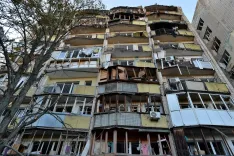
Kumamoto earthquake 7.1: Jaishankar expresses solidarity with Japan
Synopsis
A 7.1-magnitude earthquake — the strongest seismic intensity reading in Japan since the 2024 Noto Peninsula disaster — struck Kumamoto on Tuesday afternoon, triggering an explosion at a shopping mall, derailing a train, and prompting a tsunami warning. India's External Affairs Minister S. Jaishankar was among the first foreign officials to publicly express solidarity.
Key Takeaways
A magnitude 7.1 earthquake struck Kumamoto Prefecture, Japan on 28 July at approximately 4:27 pm local time .
Jaishankar posted on X expressing India's concern and solidarity with the Japanese government and people.
At least one person killed ; around 50 hospitalised in Kumamoto; up to 30 workers unaccounted for at an Aeon Co. mall in Kashima after an explosion.
A tsunami warning of one metre was issued for the Ariake Sea and Yatsushiro Sea .
Seismic intensity of 7 — the highest on Japan's scale — recorded for the first time since the January 2024 Noto Peninsula earthquake .
Sendai and Genkai nuclear power plants reported no abnormalities.
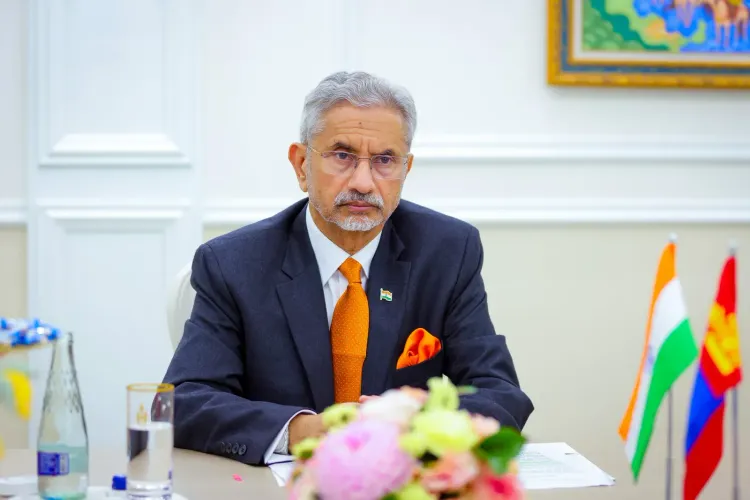
External Affairs Minister S. Jaishankar on Tuesday, 28 July expressed deep concern over a powerful magnitude 7.1 earthquake that struck Kumamoto Prefecture in southwestern Japan, killing at least one person and injuring dozens. India extended solidarity to the Japanese government and people as rescue and relief operations got under way.
India's Response
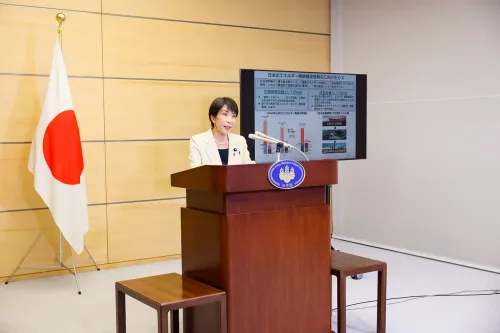
Jaishankar conveyed India's support via a post on X, writing: 'Deeply concerned at the news of the earthquake that struck Kumamoto prefecture in Japan. Express our solidarity and support to the Government and people of Japan as they respond to it. Pray for the safety and recovery of those affected by the earthquake.'
Scale of the Disaster
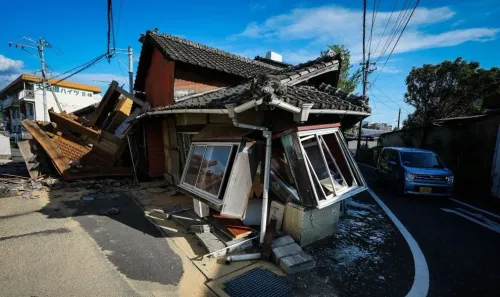
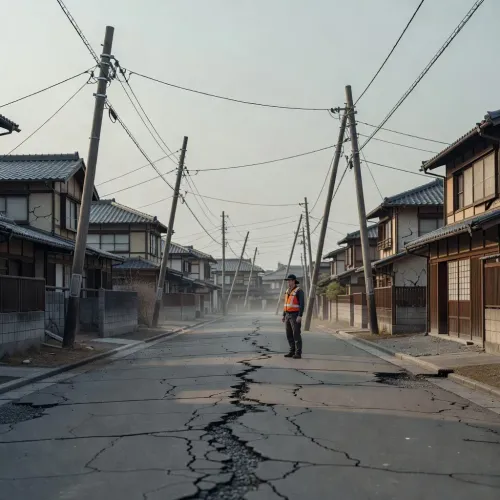
The temblor struck at approximately 4:27 pm local time at a shallow depth of about 10 km, registering a maximum seismic intensity of 7 on Japan's scale — the highest reading recorded in the country since the January 2024 Noto Peninsula earthquake, according to reports. The city of Uki was among the hardest-hit areas. An 89-year-old resident of Uki described the tremor as shaking 'vertically and sideways for about 10 to 20 seconds,' adding that it felt 'worse than during the Kumamoto earthquake in 2016.'
Casualties, Trapped Workers and Infrastructure Damage
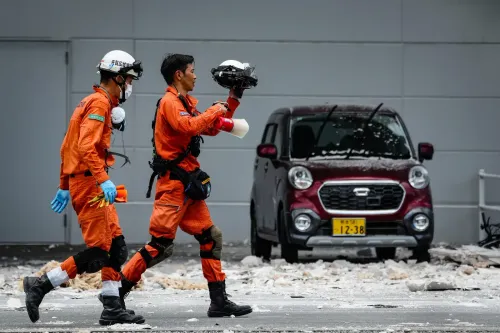
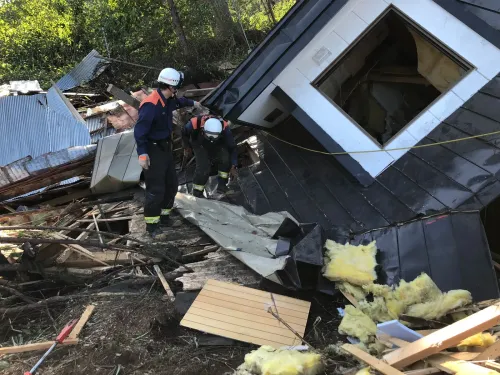
Up to 30 employees were reportedly unaccounted for after an explosion occurred at an Aeon Co.-operated shopping mall in Kashima, Kumamoto Prefecture, following the evacuation of around 200 people. The building's second floor collapsed, according to the Fire and Disaster Management Agency and police. Around 50 people were taken to a hospital in Kumamoto, with local firefighting authorities also receiving reports of people trapped inside their homes. At Yatsushiro Station, a cargo train was derailed and overturned, though the driver was uninjured.
Tsunami Warning and Nuclear Plant Status
Japanese authorities issued a tsunami warning of one metre for the Ariake Sea and Yatsushiro Sea in southwestern Japan. The Sendai nuclear power plant in Kagoshima Prefecture and the Genkai nuclear power plant in Saga Prefecture reported no abnormalities following the quake.
Historical Context
The 2025 Kumamoto earthquake echoes the devastating April 2016 Kumamoto earthquakes, which killed over 200 people and displaced tens of thousands. A seismic intensity of 7 — the maximum on Japan's scale — is exceptionally rare; Tuesday's event is only the second time it has been recorded since January 2024. Japan's location on the Pacific 'Ring of Fire' makes it one of the world's most earthquake-prone nations, and shallow-depth quakes like this one tend to cause disproportionate surface damage.
Rescue operations are ongoing, and the full extent of casualties and structural damage is expected to become clearer in the coming hours.
Point of View
Which it has in abundance. The more significant story is the seismic data: a shallow 10 km depth combined with a maximum intensity of 7 is a worst-case scenario for populated areas. The Aeon mall explosion adds a secondary industrial disaster layer that could complicate rescue timelines. With up to 30 workers still unaccounted for and a tsunami warning active, the casualty count is almost certainly incomplete. Coverage that leads with the diplomatic statement risks burying the humanitarian scale of what is still an unfolding disaster.
NationPress
27 Oct 2026
Frequently Asked Questions
What happened in the Kumamoto earthquake on 28 July?
A magnitude 7.1 earthquake struck Kumamoto Prefecture in southwestern Japan on 28 July at around 4:27 pm local time, at a depth of about 10 km. At least one person was killed, dozens were injured, and up to 30 workers were unaccounted for after an explosion at a shopping mall in Kashima.
What did EAM Jaishankar say about the Japan earthquake?
External Affairs Minister S. Jaishankar posted on X expressing that India was 'deeply concerned' and extending 'solidarity and support' to the government and people of Japan. He also prayed for the safety and recovery of those affected.
Was a tsunami warning issued after the Kumamoto earthquake?
Yes, Japanese authorities issued a tsunami warning of one metre for the Ariake Sea and Yatsushiro Sea in southwestern Japan following the earthquake.
How does the 2025 Kumamoto earthquake compare to previous quakes?
The earthquake registered a maximum seismic intensity of 7 on Japan's scale — the first such reading since the January 2024 Noto Peninsula earthquake. Residents in Uki described it as worse than the 2016 Kumamoto earthquakes, which killed over 200 people.
Were any nuclear power plants affected by the earthquake?
No. Both the Sendai nuclear power plant in Kagoshima Prefecture and the Genkai nuclear power plant in Saga Prefecture reported no abnormalities following the quake.