Magnitude 7.1 earthquake strikes southwestern Japan, tsunami advisory issued
Synopsis
A magnitude 7.1 quake has jolted Kumamoto in southwestern Japan, triggering tsunami advisories for two inland seas — the latest in a rapid cluster of significant tremors that have struck multiple Japanese prefectures within weeks, from Yamanashi to Iwate.
Key Takeaways
A magnitude 7.1 earthquake struck Kumamoto Prefecture , southwestern Japan, on 28 July at 4:27 pm local time at a depth of 10 km .
The Japan Meteorological Agency (JMA) issued tsunami advisories for the Ariake and Yatsushiro seas.
On 26 June , a magnitude 5.6 quake in Yamanashi Prefecture injured 10 people and registered the highest intensity in the region since 1924 .
A magnitude 6.9 quake struck Iwate Prefecture on 25 June , registering upper 6 on Japan's seismic scale in Aomori .
The JMA confirmed no abnormalities in Mount Fuji's volcanic activity following the Yamanashi quake.
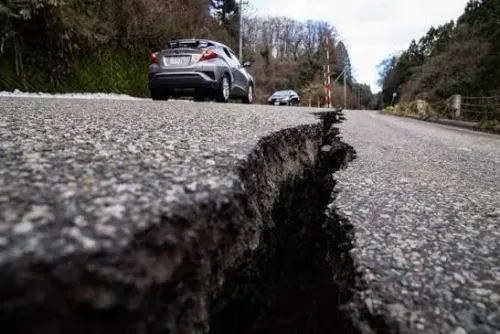
A powerful magnitude 7.1 earthquake struck Kumamoto Prefecture in southwestern Japan on Tuesday, 28 July, prompting the Japan Meteorological Agency (JMA) to issue tsunami advisories for the Ariake and Yatsushiro seas. The quake hit at 4:27 pm local time at a depth of 10 kilometres, according to reports citing the JMA.
Tsunami Advisory and Immediate Impact
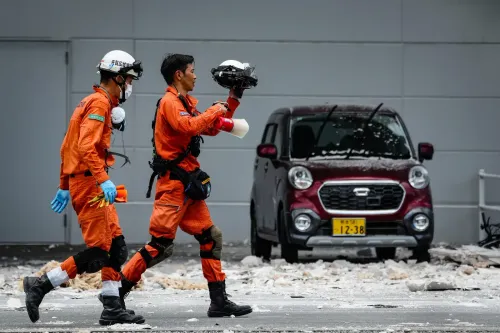
The JMA issued tsunami advisories covering the Ariake Sea and the Yatsushiro Sea following the tremor. Authorities and residents in coastal areas of southwestern Japan were placed on alert as agencies assessed the risk. No immediate casualty figures from the 28 July quake were confirmed in initial reports.
Pattern of Recent Seismic Activity in Japan
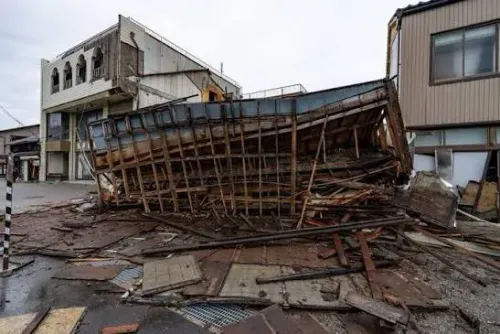
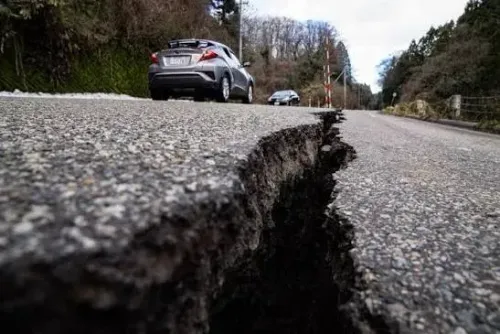
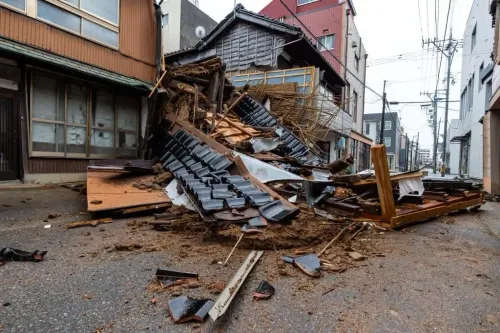
The 28 July earthquake is the latest in a series of significant tremors to rattle Japan in recent weeks. On 26 June, a magnitude 5.6 quake struck Yamanashi Prefecture and surrounding areas, injuring 10 people — all minor injuries. That quake struck at a depth of approximately 20 km and registered lower 6 on Japan's seismic intensity scale of 7 in Fujikawaguchiko Town, and upper 5 in Otsuki City, both in Yamanashi. Shaking at lower 6 intensity makes it difficult to remain standing, and unsecured furniture and windows are at risk of damage, according to the JMA.
Notably, such intensity levels had not been recorded in Yamanashi since 1924, raising public concern about potential volcanic activity at Mount Fuji. However, the JMA confirmed that no abnormalities were detected in the volcano's activity following that quake. The tremor was also felt in Kanagawa, Shizuoka, and Tokyo, though no tsunami warning was issued for that event.
Earlier Quake Off Iwate Coast
Just a day prior, on 25 June, a magnitude 6.9 earthquake struck Iwate Prefecture on Japan's northeastern coast at a depth of approximately 50 km. That quake registered upper 6 on Japan's seismic scale in Hashikami Town, Aomori Prefecture, and was clearly felt as far away as Tokyo. Its epicentre was recorded at 40.2 degrees north latitude and 142.3 degrees east longitude, according to the JMA.
Japan's Seismic Vulnerability
Japan sits on the Pacific Ring of Fire, making it one of the world's most seismically active nations. The country's seven-point intensity scale — used by the JMA — is distinct from the Richter magnitude scale and measures the degree of shaking felt at a given location. Readings of lower 6 and above are considered severe enough to cause structural damage and pose serious risk to life. The cluster of significant quakes across multiple prefectures within days of each other underscores the ongoing seismic risk facing the country.
Authorities are continuing to monitor the situation following the 28 July Kumamoto quake, with further assessments of tsunami risk and structural damage expected in the coming hours.
Point of View
While understandable, was swiftly addressed by the JMA — but the broader pattern of seismic clustering deserves closer scrutiny from geologists, not reassurance alone. Japan's early-warning infrastructure is world-class, yet the speed and geographic spread of these events will test both response systems and public preparedness messaging.
NationPress
27 Oct 2026
Frequently Asked Questions
Where did the magnitude 7.1 earthquake strike in Japan?
The magnitude 7.1 earthquake struck Kumamoto Prefecture in southwestern Japan on 28 July at 4:27 pm local time, at a depth of 10 kilometres, according to the Japan Meteorological Agency.
Was a tsunami warning issued after the Japan earthquake?
The Japan Meteorological Agency issued tsunami advisories — not a full tsunami warning — for the Ariake Sea and the Yatsushiro Sea following the magnitude 7.1 quake. Coastal residents in those areas were placed on alert.
Has Japan seen other major earthquakes recently?
Yes. A magnitude 5.6 quake hit Yamanashi Prefecture on 26 June, injuring 10 people, and a magnitude 6.9 quake struck Iwate Prefecture on 25 June. Both were felt as far away as Tokyo.
Did the Yamanashi earthquake affect Mount Fuji?
The June 26 Yamanashi quake prompted public concern about Mount Fuji's volcanic activity, as the intensity level recorded was the highest in the region since 1924. However, the JMA confirmed no abnormalities were detected in the volcano's activity.
What does 'lower 6' mean on Japan's seismic intensity scale?
'Lower 6' is the third-highest level on Japan's seven-point seismic intensity scale. At this intensity, it is difficult to remain standing, unsecured furniture may topple, and windows may be damaged, according to the JMA.