Government Finalizes 7 PM MITRA Textile Parks, No New Locations Planned
Synopsis
On March 27, the Indian government announced the finalization of seven locations for PM MITRA Textile Parks, confirming no new sites will be added. This initiative aims to strengthen the textile sector and support local artisans.
Key Takeaways
Seven PM MITRA Parks confirmed across India.
No new locations planned for the parks.
Focus on handloom sector and support for weavers.
New schemes to enhance the textile industry announced.
Integrated Textiles Programme aims to modernize traditional clusters.
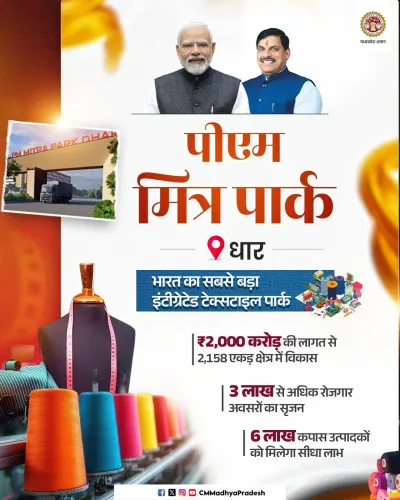
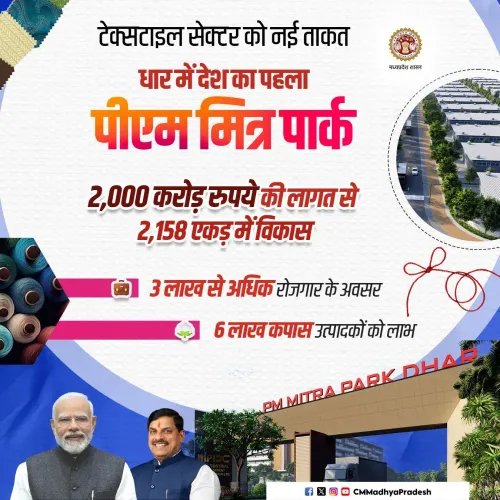
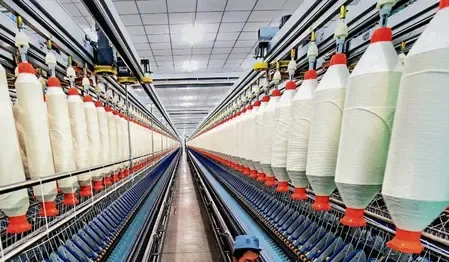
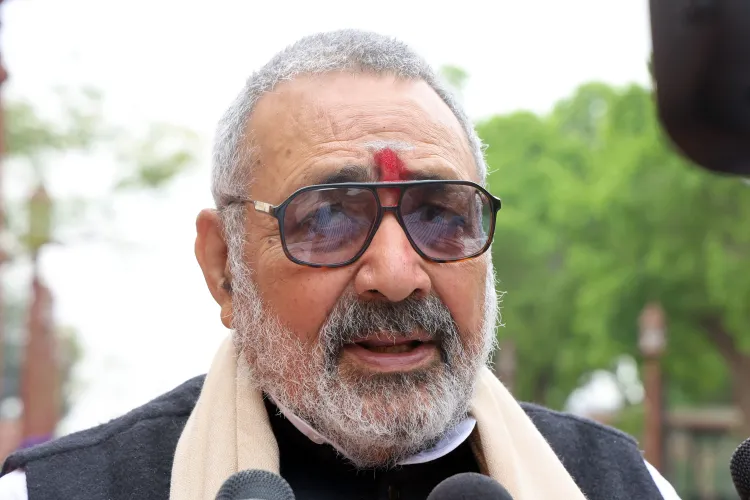
New Delhi, March 27 (NationPress) On Friday, the Indian government confirmed the establishment of seven sites nationwide for the PM Mega Integrated Textile Region and Apparel (PM MITRA) Parks, as communicated in Parliament. Union Textiles Minister Giriraj Singh stated that these parks will be developed in the following locations: Virudhnagar (Tamil Nadu), Warangal (Telangana), Navasari (Gujarat), Kalaburagi (Karnataka), Dhar (Madhya Pradesh), Lucknow (Uttar Pradesh), and Amravati (Maharashtra).
The minister further emphasized that there are currently no plans to introduce additional parks under the PM MITRA initiative.
Additionally, the government has unveiled a new scheme in the Union Budget for 2026-27 aimed at developing mega textile parks in a “challenge mode.”
The Ministry of Textiles has initiated discussions with state governments and relevant stakeholders to facilitate quicker approvals and implementation of this scheme.
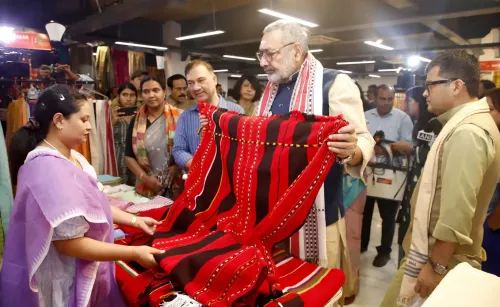
The government is also dedicated to enhancing the handloom industry and providing assistance to weavers.
Through the National Handloom Development Programme and Raw Material Supply Scheme, financial aid is being extended to eligible workers and organizations.
This support encompasses assistance for raw materials, modern looms, solar-powered lighting, construction of workspaces, design innovation, and marketing efforts for products in both domestic and international markets.
Furthermore, initiatives such as the National Handicrafts Development Programme and the Comprehensive Handicrafts Cluster Development Scheme are underway to foster the handicrafts sector.
These programs deliver comprehensive support to artisans, focusing on skill enhancement, infrastructure development, technology access, branding, and marketing assistance.
The government has also announced an Integrated Textiles Programme in the Union Budget for 2026, which includes the Textile Expansion and Employment Scheme (TEEM).
This initiative aims to modernize traditional textile clusters by funding machinery upgrades, technology enhancements, and establishing testing and certification facilities.
Such measures are part of the government's larger strategy to fortify the textile industry, generate employment, and support artisans and weavers throughout the nation.
Point of View
It's noteworthy that the government is taking significant steps to bolster the textile sector in India. The commitment to PM MITRA Parks reflects a strategic focus on enhancing infrastructure and support for artisans and weavers, which is crucial for employment generation and economic growth.
NationPress
30 Sept 2026
Frequently Asked Questions
What are the locations of the PM MITRA Parks?
The PM MITRA Parks will be established in Virudhnagar (Tamil Nadu), Warangal (Telangana), Navasari (Gujarat), Kalaburagi (Karnataka), Dhar (Madhya Pradesh), Lucknow (Uttar Pradesh), and Amravati (Maharashtra).
Is there a plan to create more PM MITRA Parks?
Currently, there are no proposals to add more parks under the PM MITRA scheme as stated by the Union Textiles Minister.
What support is available for handloom weavers?
Financial assistance is provided through the National Handloom Development Programme and Raw Material Supply Scheme, which includes support for raw materials and modern looms.
What is the Textile Expansion and Employment Scheme (TEEM)?
TEEM is part of the Integrated Textiles Programme announced in the Union Budget for 2026, aimed at modernizing traditional textile clusters.
How does the government support the handicrafts sector?
The government supports the handicrafts sector through various programs that provide infrastructure, technology, and marketing assistance to artisans.