Nine Indian seafarers repatriated from Ghana by High Commission
Synopsis
Nine Indian crew members of M/V Rahaf Moon, stranded in Ghana, were flown home on 23 July 2026 — a quiet diplomatic win set against a grim backdrop: 14 Indian seafarers already dead in the Gulf conflict, two missing, and a government-imposed ban on new deployments through the Strait of Hormuz. India's maritime welfare machinery is being tested at scale.
Key Takeaways
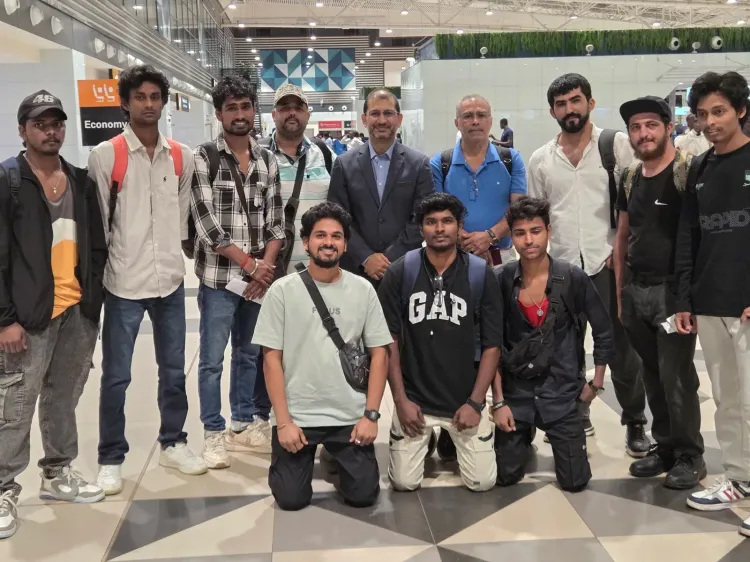
The Indian High Commission in Accra repatriated nine crew members of M/V Rahaf Moon via Accra International Airport on 23 July 2026 .
The operation was coordinated with the Ghana Maritime Authority (GMA) , Ghana Ports and Harbours Authority (GPHA) , and the International Transport Workers Federation (ITF) .
The DGMA has barred deployment of Indian seafarers on vessels transiting the Strait of Hormuz until further orders.
Attacks on merchant vessels including Mombasa B , Al Bahyah , and GFS Galaxy have heightened risks in the Gulf region.
The Ministry of External Affairs confirmed 14 Indian seafarers have died in the regional conflict as of 17 July 2026 , with two still missing.
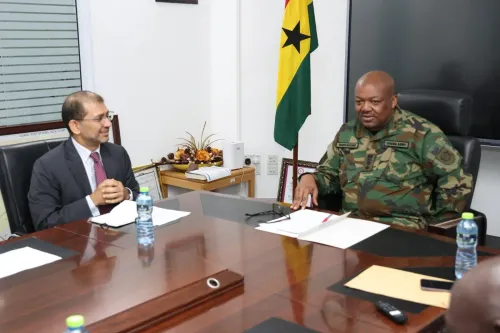
The Indian High Commission in Accra on 23 July 2026 successfully facilitated the safe return of nine Indian crew members stranded in Ghana, flying them home via Accra International Airport after a coordinated effort with Ghanaian maritime authorities. The crew were aboard the vessel M/V Rahaf Moon and had been stranded in the West African nation for an undisclosed period.
How the Repatriation Was Secured
The operation involved close coordination between the High Commission and three key bodies: the Ghana Maritime Authority (GMA), the Ghana Ports and Harbours Authority (GPHA), and the International Transport Workers Federation (ITF). In a post on social media platform X, the High Commission stated: 'The successful repatriation reflects the Government of India's unwavering commitment to safeguarding the safety, welfare, and well-being of Indian nationals in foreign lands and high seas.'
Backdrop: Rising Danger for Indian Seafarers
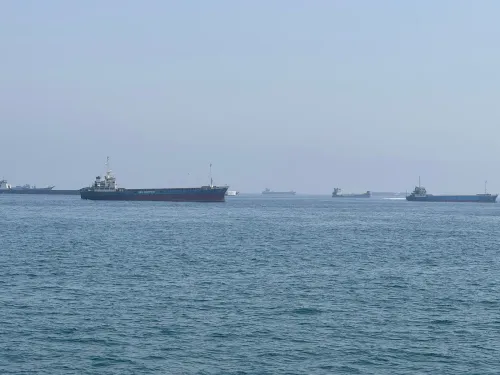
The Ghana repatriation comes amid a broader crisis for Indian maritime workers. The Directorate General of Maritime Administration (DGMA) last week directed ship owners, ship managers, and Recruitment and Placement Service Licence (RPSL) companies to halt deployment of Indian seafarers on vessels transiting the Strait of Hormuz until further notice, citing escalating security risks in the Gulf region.
The DGMA, posting on X, said the advisory was aimed at protecting Indian seafarers from continuing attacks on merchant vessels in conflict-affected waters. Recent incidents cited by the regulator include attacks on Mombasa B, Al Bahyah, GFS Galaxy, MT WEDYAN, and AL REKAYYAT — a pattern that has sharply raised the threat level for commercial shipping in the area.
The Human Cost So Far
The Ministry of External Affairs (MEA) on 17 July 2026 confirmed that 14 Indian seafarers have lost their lives in the escalating regional conflict, with two still unaccounted for. The disclosures underscore the mounting toll on Indian maritime labour, which forms one of the largest national contingents in global merchant shipping.
Geopolitical Context
Tensions in the region surged following US strikes on Iranian military installations, which stoked fears of a wider conflict and potential chokepoint disruptions at the Strait of Hormuz — a critical artery through which a significant share of the world's oil supply flows. This is not the first time Indian seafarers have been caught in the crossfire of Middle East geopolitics, but the scale of casualties reported by the MEA marks a significant escalation. The government's dual response — securing stranded crew abroad while restricting new deployments in high-risk corridors — signals a more proactive welfare posture than seen in previous crises.
With the Hormuz advisory still in force and two seafarers remaining missing, diplomatic and maritime agencies are expected to remain on heightened alert in the coming weeks.
Point of View
But it should not distract from the structural exposure India's seafaring community faces in conflict zones. With 14 deaths confirmed by the MEA and a blanket Hormuz deployment ban now in place, the government is reacting to a crisis rather than anticipating one. India supplies a significant share of global merchant crew, yet the welfare infrastructure — insurance frameworks, real-time vessel tracking, rapid consular response — has historically lagged that exposure. The DGMA advisory is necessary but overdue; the harder question is why Indian seafarers were still being deployed on Hormuz-bound vessels after the first round of merchant ship attacks months ago.
NationPress
22 Oct 2026
Frequently Asked Questions
Which Indian seafarers were repatriated from Ghana and when?
Nine Indian crew members of the vessel M/V Rahaf Moon, who had been stranded in Ghana for some time, were repatriated to India via Accra International Airport on 23 July 2026. The Indian High Commission in Accra coordinated the operation.
Why were the seafarers stranded in Ghana?
The source does not specify the precise reason for their stranding. The Indian High Commission confirmed they had been in Ghana 'for some time' before the repatriation was arranged with support from Ghanaian maritime authorities and the ITF.
What is the DGMA's advisory on the Strait of Hormuz?
The Directorate General of Maritime Administration (DGMA) has directed ship owners, managers, and RPSL companies to stop deploying Indian seafarers on vessels transiting the Strait of Hormuz until further notice, citing ongoing attacks on merchant ships in the conflict-affected Gulf region.
How many Indian seafarers have died in the Gulf conflict?
The Ministry of External Affairs stated on 17 July 2026 that 14 Indian seafarers have lost their lives in the escalating regional conflict, with two others still missing.
Which vessels were attacked in the Gulf region?
The DGMA cited attacks on merchant vessels including Mombasa B, Al Bahyah, GFS Galaxy, MT WEDYAN, and AL REKAYYAT as evidence of the heightened threat to commercial shipping in the area.