Government Guarantees Adequate Raw Material Supply for Highway Construction Amid Disruptions
Synopsis
The Indian government has confirmed that key raw materials for highway construction will remain sufficiently supplied, despite challenges posed by the US-Iran conflict. This assurance comes as contractors express concerns over logistics disruptions affecting project timelines and costs.
Key Takeaways
Government assurance : Raw materials like bitumen, cement, and diesel will remain adequately supplied.
Logistics challenges : US-Iran conflict has caused delivery disruptions, prompting concerns from contractors.
Force majeure clauses : Contractors are exploring relief options in contracts due to potential project impacts.
Bitumen price increase : Reported rise of Rs 2,000 per tonne raises margin concerns for contractors.
Stable diesel prices : No increase in diesel prices reported despite rising international oil costs.
New Delhi, March 9 (NationPress) The Indian government has reassured highway construction firms that the supply of essential raw materials, including bitumen, cement, and diesel, will remain sufficient despite ongoing logistics challenges stemming from the US-Iran conflict, according to insider reports.
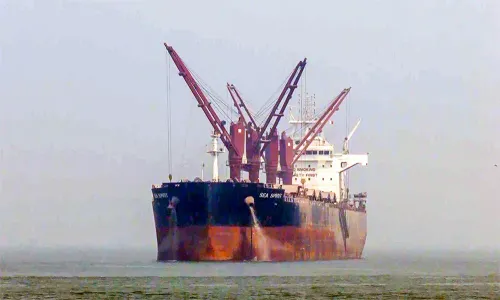
As reported by NDTV Profit, officials from the National Highways Authority of India convened with representatives of the National Highways Builders Federation after contractors expressed worries about delays in truck transport and ship unloading, which have caused significant delivery bottlenecks.
Consequently, several construction companies have approached the authorities requesting force majeure clauses in their contracts, arguing that these disruptions could jeopardize project timelines and inflate costs.
Sources indicate that contractors are examining provisions in infrastructure agreements that offer relief during exceptional disruptions.
With bitumen prices reportedly increasing by approximately Rs 2,000 per tonne, contractors are becoming increasingly concerned about their profit margins.
Industry representatives have also cautioned that rising diesel prices could subsequently affect the costs of cement and steel, as fuel prices influence both manufacturing and transportation expenses. However, no increase in diesel prices has been reported as of now.
Earlier statements from government sources indicated that petrol and diesel prices will not rise, highlighting an improvement in India's energy stock situation, which is gradually stabilizing.
This enhancement in energy stocks has bolstered the government's confidence in managing fuel supplies. India has also taken measures to diversify its crude oil imports, aiming to lessen reliance on vulnerable maritime routes.
“India has augmented its crude oil imports from sources beyond the Strait of Hormuz. Previously, around 60% of India's crude oil imports originated from outside this strategic shipping lane, but this figure has now increased to approximately 70%,” sources revealed.
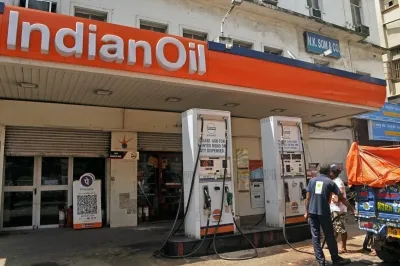
The government currently anticipates that state-run oil marketing companies (OMCs) will absorb the financial impact for the time being, keeping fuel prices stable. OMCs may need to endure reduced profits amid escalating international oil prices, according to sources.
Point of View
The government's assurance regarding the supply of essential raw materials is a positive step towards mitigating the impacts of global disruptions on local infrastructure projects. However, the concerns raised by contractors about potential delays and costs warrant attention as the industry navigates these challenges.
NationPress
26 Sept 2026
Frequently Asked Questions
Will the supply of raw materials for highway construction be affected by the US-Iran conflict?
The government has assured that supplies of key raw materials will remain adequate despite the disruptions.
What steps are contractors taking in response to delivery delays?
Contractors are seeking force majeure provisions in their contracts to address potential project delays and cost increases.
How have bitumen prices changed recently?
Bitumen prices have reportedly increased by around Rs 2,000 per tonne, raising concerns among contractors regarding their profit margins.
Is there any expected increase in diesel prices?
Currently, there has been no increase in diesel prices, despite rising costs in other areas.
How is India diversifying its crude oil imports?
India has increased its crude oil imports from sources outside the Strait of Hormuz to reduce dependency on vulnerable routes.