US Transportation Chief: Iran Conflict Raises Fuel and Travel Costs

Synopsis
US Transportation Secretary Sean Duffy warns of rising fuel and travel costs due to the ongoing conflict with Iran. Despite stable supply chains, American consumers are feeling the financial impact as fuel prices soar. Duffy discusses airline responses and government measures to mitigate the situation.
Key Takeaways
Fuel and travel costs are rising due to the Iran conflict.
Airlines report stable supply chains but face higher fuel prices .
The US is relaxing restrictions on Iranian oil exports .
Current price pressures may ease if the conflict is resolved quickly.
The administration aims to prevent Iran from leveraging energy markets.
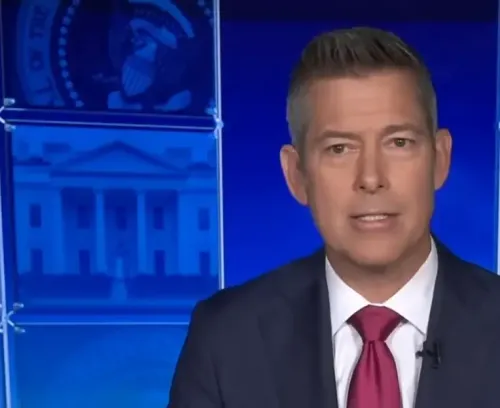
Washington, March 22 (NationPress) US Transportation Secretary Sean Duffy has issued a warning that the ongoing tensions with Iran are causing a significant surge in fuel and travel expenses. He emphasized that this rising cost pressure is impacting American consumers, even though supply chains continue to function normally.
During an interview on ABC News’ This Week with George Stephanopoulos, Duffy noted that while airlines are not experiencing supply shortages, they are feeling the strain from escalating fuel prices. “It’s all about the cost, right?” he remarked.
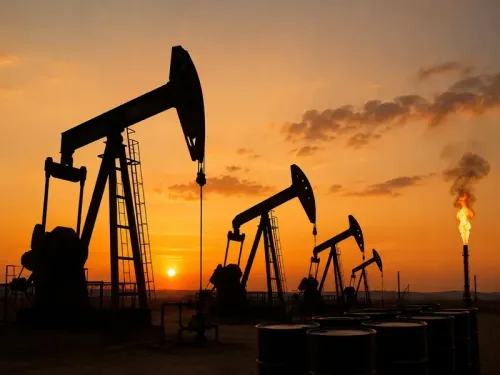
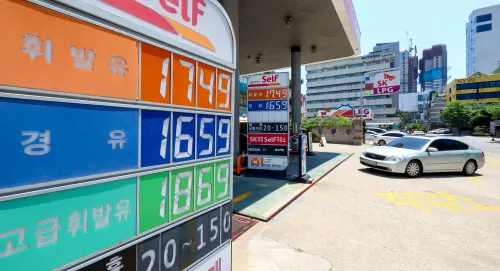
The alert comes as fuel prices in the United States have seen a steep increase since the onset of the conflict, with gasoline prices climbing approximately $1 per gallon in just over three weeks.
Duffy mentioned he has been in communication with major airlines to assess the situation. “All of them were like, nope, we feel very good about our supply chains,” he stated.
However, the rising cost of jet fuel is contributing to higher overall travel costs. Airlines are already making operational adjustments in response to the changing market dynamics.
He assured that there is no immediate decrease in overall flight availability related to the conflict. “There’s really no impact on how many flights we’re going to have,” he pointed out, explaining that some changes are due to operational factors rather than the war.
Duffy downplayed worries about a prolonged increase in ticket prices, suggesting that airlines are preparing for potential worst-case scenarios. Referring to projections of oil prices reaching $170 a barrel, he said that carriers “do well when they plan for the worst and hope for the best”.
The administration has implemented measures to alleviate the effects of rising energy costs. Treasury Secretary Scott Bessent mentioned that the US is relaxing certain restrictions on Iranian oil exports to stabilize prices. “We will be using the Iranian barrels against the Iranians to keep the price down,” he stated earlier.
Duffy expressed that the current price pressures may not persist if the conflict is resolved quickly. “I think you’re going to see a very rapid rebound in energy prices once this conflict is settled,” he indicated.
He added that the administration anticipates the military operation will be short-lived. “The President stated this will be, you know, a four to six-week operation,” he said.
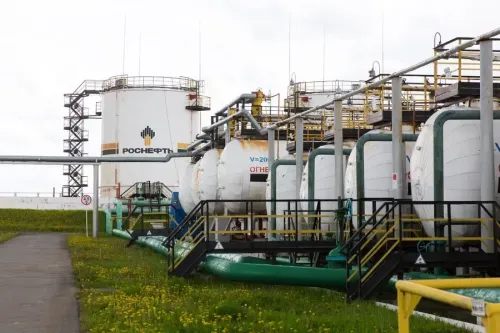
The increase in fuel costs is associated with disruptions in global oil supply, especially through the Strait of Hormuz, a crucial shipping lane for crude exports from the Gulf.
Duffy stated that the administration’s larger goal is to prevent Iran from leveraging energy markets, cautioning that disruptions in the Strait could have repercussions on global supply chains and economic stability.
Point of View
The implications for American consumers are significant. Transportation Secretary Duffy's statements reflect a careful balancing act between maintaining operational stability in air travel while addressing rising costs. The government’s response aims to alleviate financial strain but underscores the interconnectedness of global energy markets.
NationPress
26 Sept 2026
Frequently Asked Questions
How does the conflict with Iran affect fuel prices?
The ongoing conflict has disrupted global oil supply, particularly through key shipping routes, leading to increased fuel costs.
Are airlines facing supply shortages due to the conflict?
No, airlines are not currently facing supply shortages but are under pressure from rising fuel prices.
What measures is the US government taking to stabilize fuel prices?
The US is easing some restrictions on Iranian oil exports to help stabilize prices amid rising costs.
Will ticket prices continue to rise because of the conflict?
While costs are increasing, Duffy suggests that airlines are preparing for worst-case scenarios, potentially mitigating prolonged price hikes.
How long does the administration expect the military operation to last?
The President has indicated that the military operation is expected to last between four to six weeks.