Ahmadis in Pakistan face rising violence, impunity: Rights body
Synopsis
Two Ahmadis were shot in Sargodha days after a worshipper was killed in Mandi Bahauddin — and Pakistan's courts simultaneously upheld a ban on the community's sacred texts. With UN experts now weighing in and no arrests reported in either case, the VOPM warns that state impunity has become a structural guarantee of further violence.
Key Takeaways
Malik Mahmood Mubarak , 70 , and his son Ayaz , 40 , were shot in Sargodha district, Punjab on 19 September ; both survived but no arrests have been made.
Mirza Safdar Mahmood , 65 , was killed near Kot Ahmad Shah, Mandi Bahauddin on 2 September while travelling to an Ahmadi place of worship.
Pakistan's Federal Constitutional Court upheld a Punjab ban on Rohani Khazayeen , a 23-volume Ahmadiyya religious text, leaving a 2014 forfeiture in place.
UN experts voiced serious concern earlier in September over discrimination, violence, and legal restrictions targeting the Ahmadiyya community in Pakistan.
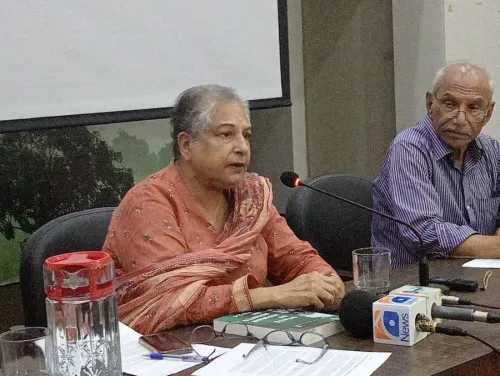
The Voice of Pakistan Minority (VOPM) called the pattern of impunity a policy choice, demanding prosecutions and a review of laws that enable incitement against Ahmadis.
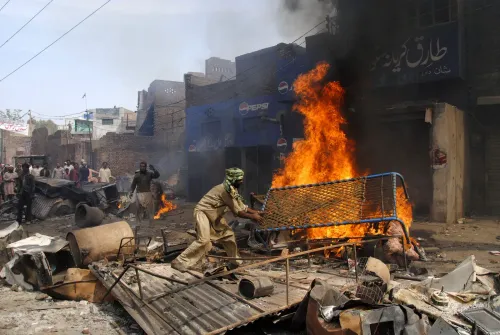
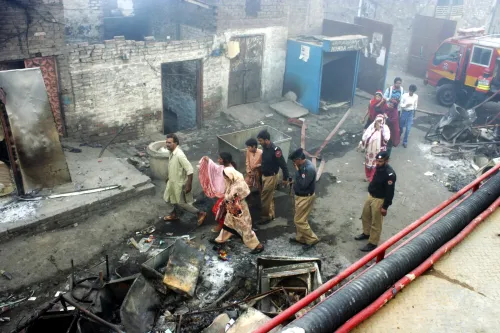
A leading minority rights organisation has raised grave alarm over the systematic targeting of the Ahmadiyya community in Pakistan, warning that attackers appear emboldened by a pervasive climate of impunity in which faith-based violence rarely results in prosecution. The warning, issued on 21 September 2026 by the Voice of Pakistan Minority (VOPM), comes against a backdrop of multiple attacks in quick succession across Punjab province.
The Latest Attack: Two Shot in Sargodha
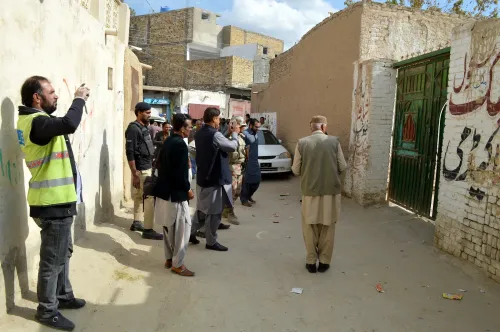
On 19 September, two Ahmadi Muslims — Malik Mahmood Mubarak, 70, and his son Ayaz, 40 — were shot while travelling home in Sargodha district, Punjab. Both survived, but according to the VOPM, no arrests have been reported. Police registered a First Information Report (FIR) the following day under the Pakistan Penal Code, after the victims were treated at District Headquarters Hospital.
Witnesses said the attackers fled on an unregistered motorcycle. The complainant stated he would be able to identify the assailants if they were produced before him. The VOPM was blunt in its assessment: “Yet in a climate where faith-based killings rarely end in convictions, an FIR reads less like justice and more like paperwork.” The Ahmadiyya Community, according to the VOPM, has called for immediate protection, arrests, and concrete preventive measures.
Earlier Killing: Worshipper Shot Dead in Mandi Bahauddin
The Sargodha shooting followed a fatal attack just weeks earlier. On 2 September, 65-year-old Mirza Safdar Mahmood was killed near the Kot Ahmad Shah area in Mandi Bahauddin, Punjab, while travelling to an Ahmadi place of worship. That killing, too, has drawn no reported prosecution.
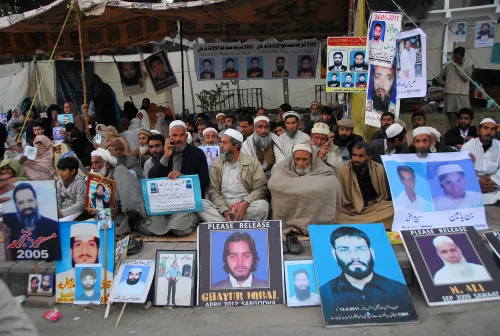
The pattern — attacks on Ahmadis in transit, at prayer, and at home — underscores what the VOPM describes as a community under sustained, multi-front assault with no meaningful state protection.
Court Upholds Ban on Ahmadiyya Religious Texts
The physical attacks have coincided with a significant legal setback. In the days before the Sargodha shooting, Pakistan's Federal Constitutional Court upheld a Punjab ban on Rohani Khazayeen, a 23-volume collection of writings by the Ahmadiyya founder, dismissing petitions that argued the prohibition violated constitutionally guaranteed religious freedom. The court held that religious freedom is subject to law, public policy, and morality, leaving the 2014 forfeiture in place.
The VOPM characterised the ruling as a compounding injustice: “For a community already criminalised for professing its faith, the message is stark: even sacred texts can be seized, while sacred lives remain unprotected.”
UN Experts Voice Concern
The VOPM's alarm echoes that of international bodies. Earlier in September, United Nations experts formally voiced serious concern over continued discrimination, violence, and legal restrictions targeting the Ahmadiyya community in Pakistan, calling on Pakistani authorities to ensure their safety and honour the country's international human rights obligations.
The VOPM, for its part, went further, arguing that impunity is not incidental but a structural feature. “Pakistan must protect Ahmadi citizens, investigate every attack promptly, prosecute perpetrators under international standards, and provide remedies to victims. It must also review laws and administrative measures that enable discrimination and incitement, including the forfeiture of religious publications. Until then, every bullet that misses today will be read as a promise for tomorrow,” the organisation stated.
What Happens Next
With UN scrutiny intensifying and documented attacks mounting, international pressure on Islamabad to act is set to grow. Whether Pakistani authorities respond with prosecutions or continued inaction will be closely watched by rights groups and foreign governments alike.
Point of View
A shooting in Sargodha — would be alarming in isolation. Together with a court ruling confiscating Ahmadiyya texts, they reveal a state that simultaneously fails to protect and actively restricts. An FIR filed after a minority shooting, with no arrests, is not a neutral act — it is performance. Pakistan's blasphemy architecture has long provided legal cover for extra-judicial violence; what is less discussed is how routine judicial decisions, like upholding a publication ban, reinforce the same hierarchy of citizenship. UN pressure is real but historically insufficient to compel structural reform in Pakistan's treatment of Ahmadis. Without international consequences — not just statements — the VOPM's warning that 'every bullet that misses today will be read as a promise for tomorrow' is less metaphor than forecast.
NationPress
21 Sept 2026
Frequently Asked Questions
What happened to the Ahmadi Muslims shot in Sargodha?
On 19 September, Malik Mahmood Mubarak, 70, and his son Ayaz, 40, were shot while travelling home in Sargodha district, Punjab. Both survived and were treated at District Headquarters Hospital; however, no arrests have been reported as of the VOPM's statement on 21 September.
Who is the Voice of Pakistan Minority (VOPM)?
The Voice of Pakistan Minority (VOPM) is a minority rights organisation that monitors and reports on violence and discrimination against religious minorities in Pakistan. It issued the report highlighting escalating attacks on the Ahmadiyya community on 21 September 2026.
What is the Rohani Khazayeen ban upheld by Pakistan's court?
Rohani Khazayeen is a 23-volume collection of writings by the founder of the Ahmadiyya faith. Pakistan's Federal Constitutional Court recently upheld a Punjab ban on the text, leaving a 2014 forfeiture order in place after dismissing petitions that argued the ban violated constitutional religious freedom.
What did UN experts say about Pakistan's treatment of Ahmadis?
Earlier in September 2026, United Nations experts voiced serious concern over continued discrimination, violence, and legal restrictions targeting the Ahmadiyya Muslim community in Pakistan, calling on authorities to ensure their safety and honour international human rights commitments.
What is the broader pattern of violence against Ahmadis in Pakistan?
According to the VOPM, Ahmadis face violence in transit, at workplaces, at places of worship, and in their homes. The rights body argues this pattern persists because of a structural climate of impunity — faith-based killings rarely result in convictions, and laws enabling discrimination are not reviewed.