Ahmedabad airport commissions 8,000 KL aviation fuel station to boost capacity
Synopsis
Ahmedabad's SVPIA has switched on an 8,000 KL aviation fuel farm spread over 27,000 sq m, with 17 refuellers and RFID-driven monitoring. Pitched as India's largest standalone refueller-based into-plane operation, the upgrade signals Gujarat's push to scale air connectivity as the airport crosses 13.8 million annual passengers.
Key Takeaways
SVPIA Ahmedabad has commissioned a new Aviation Fuel Station with 8,000 KL storage capacity.
The facility spans 27,000 sq m , with 4 storage tanks and 17 refuellers ; two more high-capacity refuellers are planned. 'Ahmedabad Open Access' is described as the country's largest standalone refueller-based into-plane operation.
The airport handled 13.8 million passengers in FY 2025-26 and manages nearly 290 ATMs daily.
SVPIA holds 5S Certification , ACI Level-4 accreditation and Zero Waste to Landfill status.
The Sardar Vallabhbhai Patel International Airport (SVPIA) in Ahmedabad has commissioned a new Aviation Fuel Station with an 8,000-kilolitre (KL) storage capacity, significantly expanding its jet fuel handling infrastructure to keep pace with rising passenger traffic and flight operations. The facility, operational from Wednesday, is expected to enhance refuelling reliability and operational efficiency for airlines flying in and out of Gujarat.
Key features of the new fuel farm
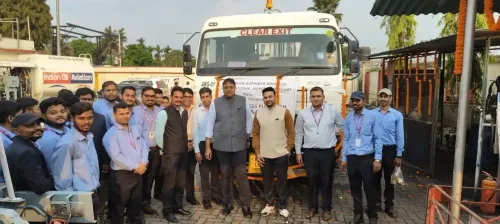
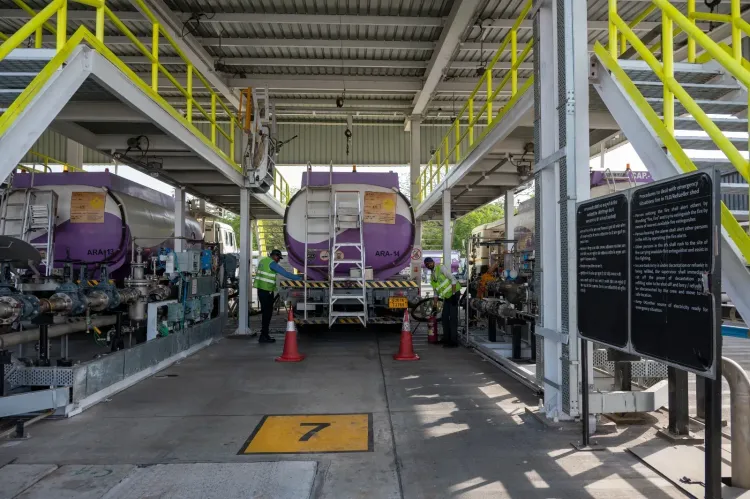
Spread across nearly 27,000 square metres, the Aviation Fuel Station houses four storage tanks with a combined capacity of 8,000 KL and a fleet of 17 refuellers to enable faster aircraft fuelling. Two additional high-capacity refuellers are planned to further strengthen operational capability, according to airport authorities.
The facility incorporates advanced fuel filtration and quality-control systems designed to meet international cleanliness standards, alongside automated RFID-enabled systems that provide real-time monitoring and improved operational accuracy.
Why this matters for Ahmedabad's aviation hub status
Airport officials said the development strengthens Ahmedabad's position as a major aviation hub by increasing storage capacity and encouraging greater participation by oil marketing companies in jet fuel supply. The 'Ahmedabad Open Access' model is described as the country's largest standalone refueller-based into-plane operation.
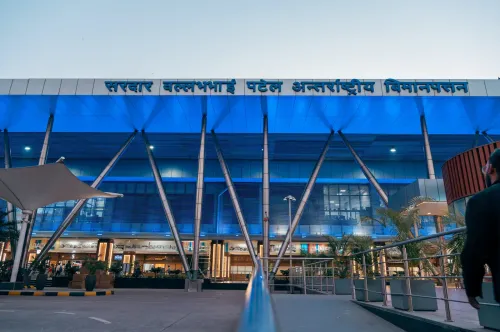
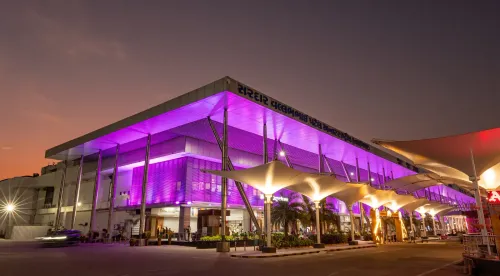
Located in Gujarat's largest city, the airport is the state's busiest aviation gateway. Spread across 987 acres, it handled 13.8 million passengers during the 2025-26 financial year and manages nearly 290 air traffic movements each day.
Safety, sustainability and cargo profile
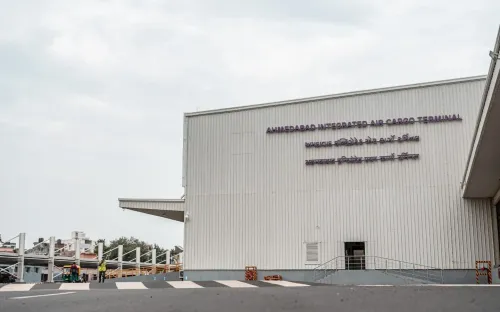
The fuel farm includes fire safety and emergency response infrastructure aligned with global standards, supporting safe handling and storage of aviation fuel. The airport also serves as a major cargo hub, handling more than one lakh metric tonnes of cargo annually.
SVPIA has adopted a digital-first operating model and earned 5S Certification and Airport Council International Level-4 accreditation. It has also achieved Zero Waste to Landfill status as part of its sustainability initiatives.
What's next
The commissioning marks a significant upgrade to the airport's aviation infrastructure and is expected to improve turnaround efficiency for airlines while supporting rising demand for air travel in western India. With two more high-capacity refuellers in the pipeline, SVPIA is positioning itself for further growth in passenger and cargo throughput in the coming years.
Point of View
000 KL fuel farm is less a standalone upgrade and more a signal of where Gujarat's aviation footprint is headed — with Ahmedabad already crossing 13.8 million passengers and a new greenfield airport coming up at Dholera, fuel logistics had to scale or become a bottleneck. The 'Open Access' framing is the more interesting story: by inviting multiple oil marketing companies into into-plane operations, SVPIA is breaking the typical single-supplier monopoly that has long kept Indian ATF prices opaque. If this model holds and replicates, it could reshape jet fuel economics at other tier-1 airports.
NationPress
24 Sept 2026
Frequently Asked Questions
What is the capacity of the new aviation fuel station at Ahmedabad airport?
The new Aviation Fuel Station at SVPIA Ahmedabad has a storage capacity of 8,000 kilolitres across four tanks, spread over nearly 27,000 square metres. It is supported by a fleet of 17 refuellers, with two more high-capacity refuellers planned.
When did the new Ahmedabad airport fuel station become operational?
The facility became operational on Wednesday, 3 June. It was commissioned to handle growing aircraft movements and improve refuelling reliability for airlines operating from Gujarat.
What is 'Ahmedabad Open Access' in jet fuel supply?
'Ahmedabad Open Access' refers to the airport's refueller-based into-plane operation, which authorities describe as the country's largest standalone model of its kind. It encourages multiple oil marketing companies to participate in jet fuel supply at SVPIA.
How many passengers does Ahmedabad airport handle annually?
SVPIA handled 13.8 million passengers during the 2025-26 financial year and manages nearly 290 air traffic movements each day. It also processes more than one lakh metric tonnes of cargo annually.
What sustainability certifications does Ahmedabad airport hold?
The airport has received 5S Certification and Airport Council International Level-4 accreditation. It has also achieved Zero Waste to Landfill status as part of its sustainability initiatives.